

Spanish Hotel Chains Exit Cuba’s Gaviota Before June 5
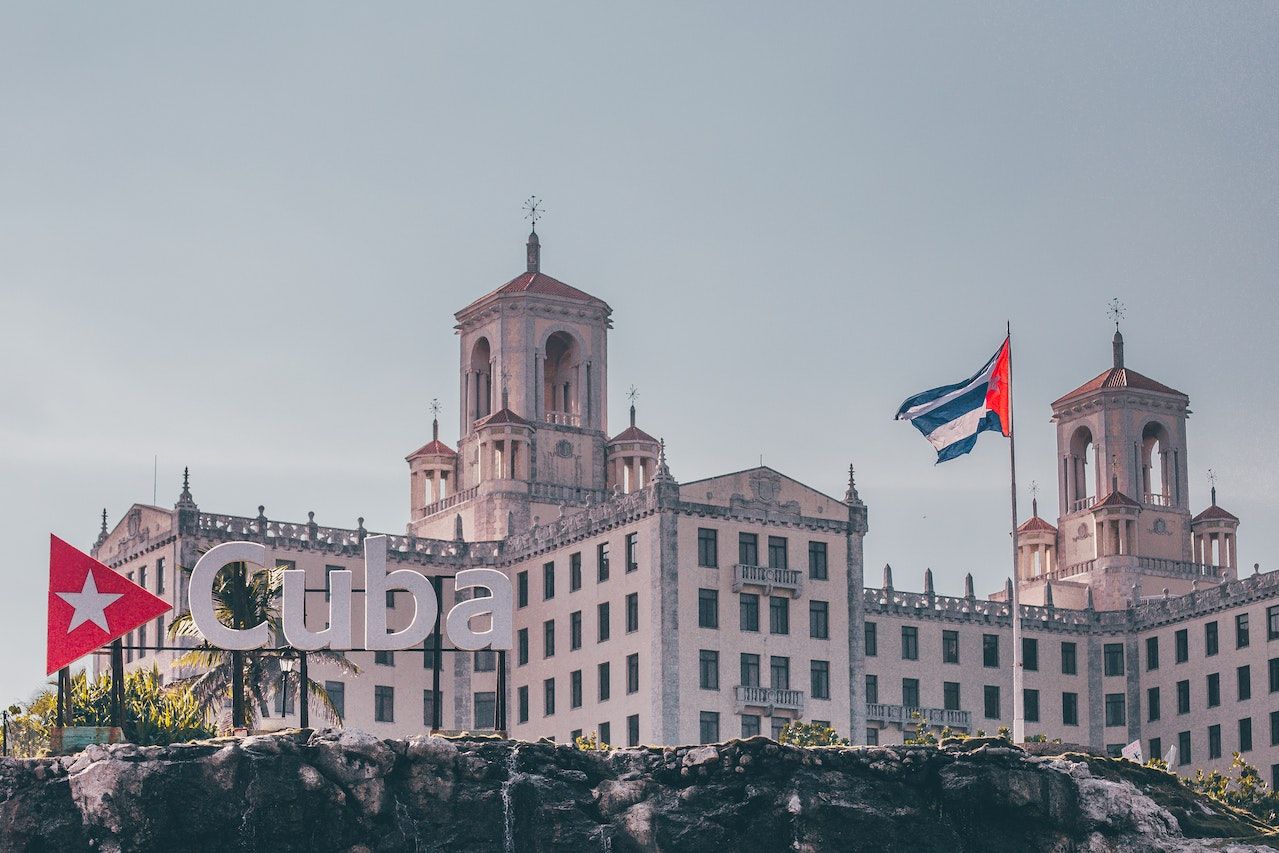
Several Spanish hotel groups are formalising their departure from Gaviota, the tourism arm of the military-owned Gaesa conglomerate, ahead of a 5 June deadline set by the US Treasury, according to reporting by Preferente, a Spanish travel trade publication.
The pressure stems from secondary sanctions that US Secretary of State Marco Rubio announced on 7 May against Gaesa and its subsidiaries. The action followed Executive Order 14404, signed by President Donald Trump on 1 May, which gave foreign companies and financial institutions until 5 June to cease all operations with the conglomerate or face penalties. Washington says Gaesa controls between 40 and 70 percent of the Cuban economy.
Preferente said it had seen a list of Spanish companies that could be affected if they keep operating with Gaviota after the deadline. The list reportedly includes banks, suppliers and hotel groups. Among the financial names cited are Banco Sabadell and Alto Cedro, while the Canadian mining firm Sherritt was the first company singled out by Washington and has already left the island.
The clearest sign of the shift came from Iberostar. The chain confirmed it will stop operating and marketing 12 hotels in Cuba from 1 June, ending its contractual links with assets managed by Gaviota. The affected properties span Havana, Varadero and the northern keys, and include the Iberostar Grand Packard, the Iberostar Selection La Habana, the Iberostar Selection Ensenachos and the Iberostar Origin Bella Vista Varadero. An internal company statement, circulated by Ricardo Herrero of the Cuba Study Group in Washington, framed the move as a step to adapt to the global regulatory environment and protect the brand’s standards. The decision marks a sharp reversal from October 2025, when Iberostar and Gaviota had signed an agreement billed as a new chapter for hotel management on the island.
The reporting names one outstanding holdout. A small Mallorca-based chain that runs three hotels with Gaviota, owned by a family with operations in Mexico, the Balearic Islands and Andalusia, has not yet confirmed its exit and could face Treasury measures if it stays in the partnership past 5 June.
Gaviota is one of the island’s largest tourism operators and sits at the centre of Gaesa. It manages 121 hotels, 20 marinas, a transport company, a travel agency and a logistics firm. Of those 121 hotels, 62 were run by Spanish chains, accounting for 56.3 percent of the total, which is why the deadline weighs so heavily on Spain’s hotel sector.
The largest Spanish operator, Meliá Hotels International, faces a particularly difficult choice. The group runs around 34 hotels with more than 5,000 rooms in Cuba and closed half of that capacity in the first quarter of 2026, when average occupancy fell to 34.1 percent and net profit dropped 68 percent. Meliá has tied any recovery to a return of energy supplies and has not set a timeline. Both Meliá and Iberostar also carry legal exposure in the United States, where roughly 6,000 claims under Title III of the Helms-Burton Act, valued at close to 8 billion euros, target their use of properties expropriated after the Cuban Revolution.
Preferente argued that firms with long-standing local operations, experienced staff and existing infrastructure are best placed to handle any transition. It suggested that major international brands such as Hyatt, Hilton, Marriott and Wyndham would take longer to build a stronger presence, since they typically work through franchise or management agreements and would need local investors and legal reforms before moving in at scale.
Marriott was singled out as a company with existing ties elsewhere in the region, including partnerships with Royalton in the Dominican Republic, Mexico and parts of the Caribbean. Any expansion in Cuba could require a wider rethink of those arrangements, the report said.
The broader backdrop is the long-running tension between Washington and Havana over tourism, investment and sanctions. The Trump administration has imposed more than 240 measures against the Cuban government since January 2026. Analysts have also linked the timing to friction between Spain and the White House, noting that Prime Minister Pedro Sanchez is exposed politically ahead of the June 2026 G7 summit in France. For now, the key questions are how many hotel groups will formally leave Gaviota before the deadline, and how quickly international rivals could fill any gap.