

S&P affirms Burkina Faso ‘CCC+’ rating
S&P Global Ratings has affirmed Burkina Faso’s long-term sovereign credit rating at ‘CCC+’ and its short-term rating at ‘C’, maintaining a stable outlook, in a decision that underscores both the country’s improving macroeconomic metrics and the significant risks that continue to weigh on its credit profile.
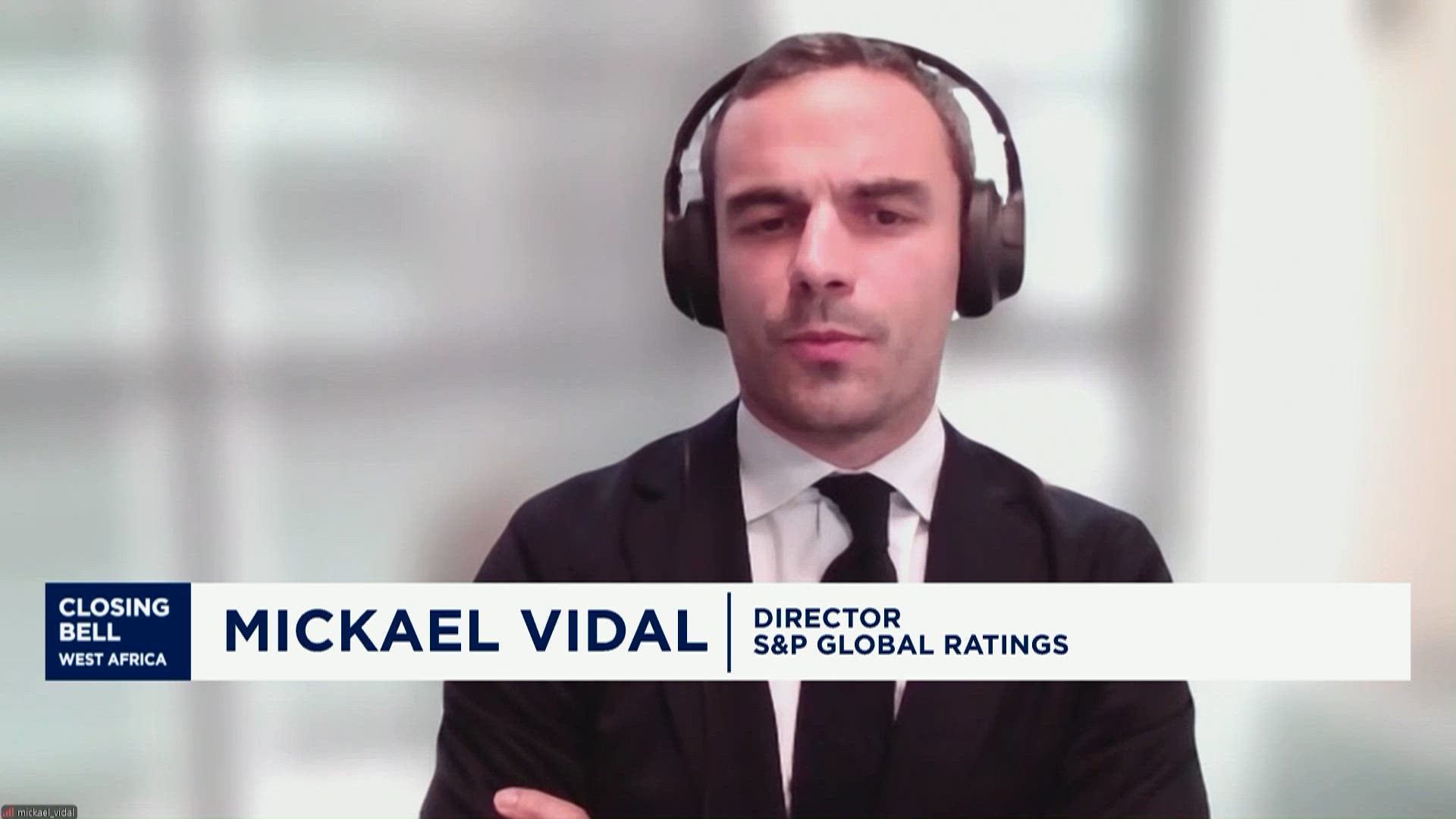
Speaking in a television interview, Mikhael Vidal, lead analyst and director for sovereign ratings at S&P Global Ratings, said the agency’s decision reflects a mixed picture for the West African gold producer. On one hand, Burkina Faso’s fiscal and debt trajectory is moving in a more favorable direction, supported by stronger agricultural and mining output as well as elevated gold prices. On the other, persistent domestic security concerns, regional instability and exposure to higher oil import costs continue to constrain the sovereign deep in speculative-grade territory.
Vidal described the ratings rationale as shaped heavily by the broader context in which Burkina Faso is operating. He said the country’s public finance indicators are, in several respects, improving and compare relatively well with peers in the region. However, those positives are tempered by what S&P sees as high security risks within the country, as well as possible spillover effects from tensions in neighboring Mali.
The agency is also closely watching the potential impact of conflict in the Middle East, particularly through energy prices. Burkina Faso is a net oil importer, and higher oil prices could place meaningful pressure on public finances through subsidies and a wider trade imbalance. Vidal said the country’s oil-related trade deficit is worth around 10% of GDP, highlighting a notable external vulnerability that could alter its fiscal trajectory if global energy markets remain volatile.
Still, Burkina Faso’s economy is benefiting from a strong gold story. Elevated bullion prices and resilient export performance have helped support the country’s broader economic trajectory, providing foreign exchange earnings and helping offset some of the stress from the external environment. S&P also pointed to favorable agricultural production, which has helped inflation remain broadly manageable and supported domestic growth.
In comparing Burkina Faso with other sub-Saharan African frontier sovereigns in the same rating category, Vidal said the country’s headline metrics are not dramatically out of line with regional peers. Debt-to-GDP is around 50%, while the fiscal deficit is projected at roughly 3.5% this year, levels he said are broadly comparable to countries such as Benin and Ivory Coast.
That relative fiscal resilience is an important part of why the rating was affirmed rather than lowered. According to Vidal, the government has also taken steps to improve revenue mobilization and strengthen fiscal collection, resulting in what he characterized as a relatively solid revenue ratio by West African standards. That reform effort, combined with better-than-expected performance in some macro indicators, has provided support to the rating.
However, the agency remains cautious about the sustainability of that trend. Security tensions continue to demand elevated defense spending, limiting fiscal flexibility and reducing the speed at which public finances can improve. S&P’s concerns are therefore less about where Burkina Faso’s current metrics stand today and more about whether the authorities will be able to maintain that trajectory amid rising external and domestic pressures.
Financing conditions are another area under scrutiny as global monetary policy remains tight. Higher interest rates and more restrictive liquidity conditions have complicated funding for many frontier borrowers, particularly those dependent on concessional lending and official support. Vidal said Burkina Faso starts from a more favorable position than it did a few years ago, noting that liquidity conditions had improved before the latest geopolitical shocks and that the weighted average maturity of the country’s debt had lengthened.
He added that access to the regional debt market has improved, and while funding conditions are expected to become more challenging over the next 12 to 24 months, S&P does not currently see a materially impaired ability for Burkina Faso to tap regional markets. The agency also appears encouraged by the country’s performance under its IMF program, which could help preserve access to concessional financing.
One key structural support remains Burkina Faso’s membership in the West African Economic and Monetary Union and the use of the CFA franc, which is pegged to the euro. Vidal said the currency arrangement provides meaningful protection against exchange-rate volatility and remains a strong support for sovereign ratings across the region. Backed by a convertibility guarantee from the French Treasury, the peg has historically helped anchor stability, attract lenders and deepen regional capital markets.
That framework has also helped foster confidence among both concessional and commercial lenders, while broader participation by regional and external banks in local debt markets has increased market depth. In a period of deteriorating global liquidity, that institutional support remains a notable credit strength for Burkina Faso and other WAEMU members.
As for what could drive an upgrade, Vidal said S&P would need to see greater visibility and stabilization on the security front, particularly evidence that the situation will not deteriorate further or be worsened by regional spillovers. The agency would also want to ensure that inflation and fiscal performance remain on track, especially if external shocks from oil prices or geopolitical tensions intensify.
For now, the stable outlook suggests that S&P sees Burkina Faso’s strengths and weaknesses as broadly balanced at the current rating level. The sovereign’s improving fiscal path, gold-supported growth and institutional backing from the CFA franc regime provide important cushions. But with security risks still elevated and oil-price vulnerability unresolved, the country remains exposed to shocks that could quickly test the resilience of its public finances.
The latest rating action therefore sends a clear message to investors: Burkina Faso is showing signs of macroeconomic improvement, but the recovery in creditworthiness remains fragile and heavily contingent on regional stability, disciplined fiscal management and a benign external environment.
Credit: Source link