

Solar tricycles overtake vintage cars on cuba’s fuel-strapped roads
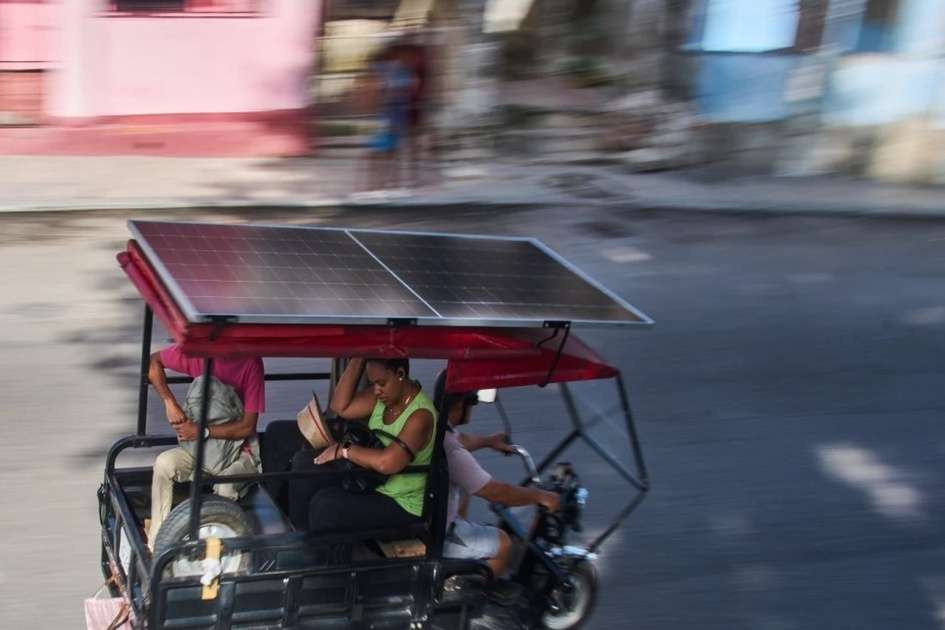
As Cuba struggles with fuel shortages and blackouts, solar-fitted electric tricycles are reshaping urban transport, offering a costly but practical alternative for drivers and commuters.
Cuba’s iconic vintage cars have all but disappeared from the country’s streets as a severe fuel crisis pushes small electric tricycles, most of them made in China, into daily use.
But these are not ordinary electric vehicles. To avoid relying on Cuba’s fragile power grid, many drivers have fitted their tricycles with solar panels, allowing them to charge in the sun and keep moving even during prolonged power cuts.
The island’s energy crisis has worsened since US President Donald Trump threatened in January to impose tariffs on countries supplying oil to Cuba. The country produces only 40 percent of the oil it needs and, while an average of eight oil tankers previously arrived each month, only one has reached Cuba since the end of March.
The shortages have deepened problems across the country, including a lack of food and medicine, severe power cuts and a crisis in public transport. In response, the tricycles have become a mainstay on bus routes, for carrying passengers and goods and even for collecting waste in parts of Havana.
The Chinese electric vehicles, including brands such as Jonson and Jinpeng, are usually bought in Panama and sent to Cuba. Under an agreement with China, Vedca-branded tricycles are also now being assembled in Cuba.
The vehicles sell for between $2,000 and $4,000, putting them beyond the reach of many ordinary Cubans. Still, some are buying them by selling old fuel-powered cars or with help from relatives abroad.
Berta Ferrer, 52, a shop worker in central Havana, said she pays 500 Cuban pesos, less than $1, for each trip. The fare is expensive in a country where the average monthly salary is just $10 for government employees and $40 in the private sector, but she said it is still better than walking.
Carlos Alvarez, 29, an electric vehicle mechanic and engineer, was fitting a solar panel to a tricycle when he described how common the vehicles have become in Havana.
“You cannot stand on a street in Havana for even 10 minutes without seeing countless tricycles passing by,” he said.
Alvarez said installing solar panels on a tricycle costs about $500, but the investment pays for itself quickly at a time of fuel shortages and blackouts.
Ricardo Quintero, an engineer who uses a tricycle to transport goods for his vegetable business, looked at his vehicle and said confidently: “I think this technology has come here to stay.”