

Senegal Raises Fuel Prices as Subsidy Costs Soar
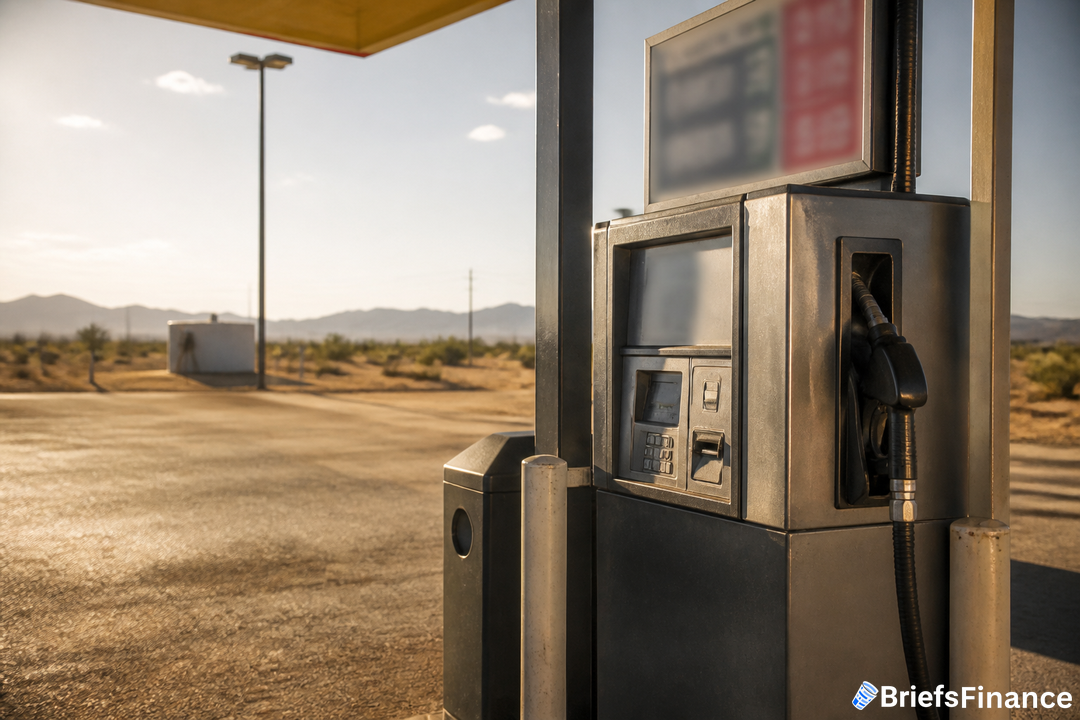
The Price Change
Drivers in Senegal are paying more at the pump.
The new prices reverse the cut the government made in December 2025. Drivers got a break at the end of last year, and now that break is over.
The move is meant to trim government spending on fuel subsidies. The Middle East war has shaken global crude prices, and keeping fuel cheap has become too expensive.
Here is the trade-off built into any fuel subsidy. It looks affordable when oil is calm and turns into a budget problem when oil is not.
With a subsidy, the government pays part of the real price of fuel. Drivers do not face the full cost at the station.
That keeps pump prices steady and protects households from sudden oil shocks. But the government picks up the difference, and when crude jumps, the subsidy bill jumps with it.
The Subsidy Bill
The Ministry of Energy and Petroleum laid out the problem Saturday in a Facebook statement.
That number was still climbing when the government made its call. The ministry said the bill would have grown by another 47 billion CFA francs from Aug. 15 to Sept. 12 if prices had not been adjusted.
That is less than a month of drift. It shows how fast the bill can grow when crude prices are jumping around.
The hike does not end the subsidy program. It just slows how fast the bill grows.
Earlier warnings show why the government moved now. Officials had warned that if crude hit $115 a barrel, subsidy costs could top the 2026 budget set-aside by up to 1.15 trillion CFA francs.
Every franc spent keeping fuel cheap is a franc that cannot go somewhere else. A gap that big would squeeze everything else the budget pays for.
What This Means for Your Portfolio
For investors, this is a useful example of how an oil shock travels. A war in the Middle East does not stay in the Middle East.
It moves through crude prices into government budgets on the other side of the world, and then into the prices people pay every day. Senegal is a smaller economy without a big cushion, so the pressure shows up fast.
When a government starts reversing its own fuel price cuts, that is a signal. The budget can no longer absorb the shock, and officials are choosing to pass part of the cost to consumers.
For drivers in Senegal, the change is immediate. Fuel prices touch the cost of food, transport, and just about everything else, and when diesel goes up, the cost of moving goods goes up with it.
The $115 a barrel level is the one to watch.
The country moved before crude got there. Other governments running similar subsidies may face the same decision if oil keeps climbing.
Fuel subsidies hide the real cost of energy while they work. When they stop working, the price shows up at the pump, in the budget, and eventually in currencies, bonds, and company earnings.
Senegal just chose the pump. For anyone with money in global markets, it is a preview of what happens when an oil shock hits a budget that cannot absorb it.
Credit: Source link