

Senegal: behind the medals, athletes denounce the other side of the picture
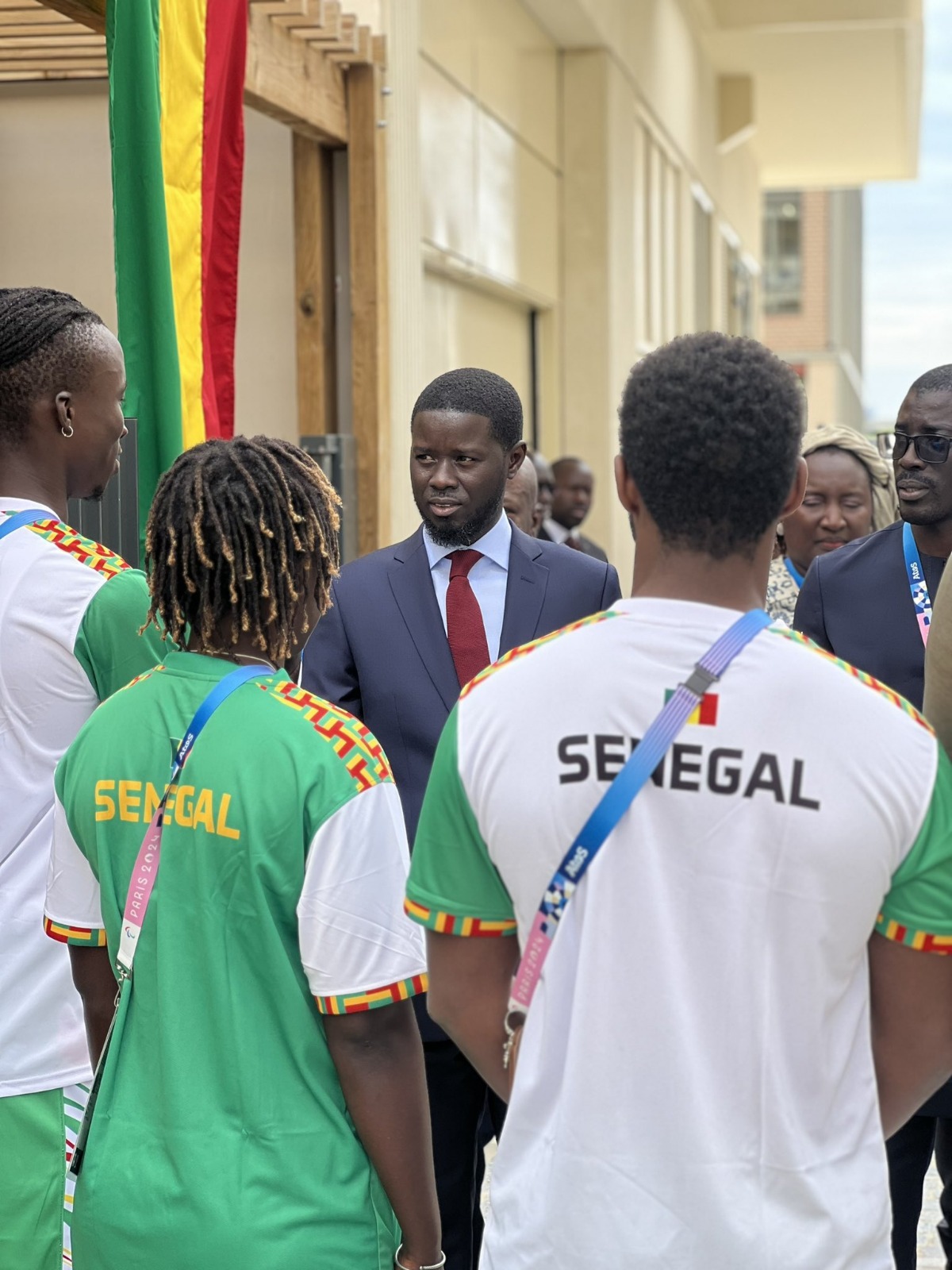
They wear the Senegal jersey, make the national anthem resound on the biggest international stages, and embody the sporting ambitions of a country that truly claims a culture of sport. Yet, behind the podiums, medals, and results, several athletes describe another reality: that of a daily life where the quest for sporting feats is at times accompanied by a battle off the field.
In several disciplines, athletes report a lack of support, bonuses that are slow to be paid after competitions, but also training conditions they deem insufficient for high-level demands. Canceled training camps, equipment that’s hard to obtain, travel funded out of their own pockets, or even lack of support: so many situations which, according to them, complicate their progress and their ability to compete with the best.
Behind these accounts, the same question echoes: how can Senegalese athletes aim for the top when some feel they must first fight just to gather the essential conditions for their success?
Mbagnick N’diaye: “An athlete representing his country should have only one concern: his performance“
African champion in 2023 and a prominent figure in Senegalese judo, Mbagnick N’diaye is among those athletes who have devoted a large part of their career to representing Senegal at the highest level.
The judoka does not wish to limit his account to a critique aiming at a single federation. In his view, the difficulties faced by athletes stem from a deeper issue, linked to the overall organization of Senegalese sport:
“We have to acknowledge a reality: Senegalese federations do not have the means to support athletes. An athlete who represents his country should be able to have only one concern: his performance.“
Mbagnick explains he himself encountered several difficulties during the Paris 2024 Olympic Games. At this level of competition, every detail counts, and logistical matters, according to him, should not be the responsibility of the athletes.
“It still happens that athletes have to handle organizational, equipment, or logistical problems themselves, etc. I went through it myself at the Paris Olympics, where I didn’t have my equipment. I only received it at the very end of the competition.“
Beyond sports preparation, the Senegalese athlete also points to the issue of recognition for results achieved: “In 2023, I won the African Judo Championships. To this day, I still haven’t received my bonuses. I continued to reach the podium in the following years and, since then, still nothing.”
For the judoka, this situation has an impact that goes beyond financial concerns. He believes the place given to athletes in the working of Senegalese sport needs to evolve.
“There are a lot of people around us who are neither competent nor committed. These people are only there for their own little privileges. They don’t think about the mental health of athletes, who are pushed into the background.“
A stand he takes even though it may affect his relationships with certain sporting bodies.
“Recently, I was a candidate for the president of the Athletes’ Commission, but now, the position is held by a former federation president. The election took place, but everyone knows it was, on one hand, illegal and, on the other, a total injustice. I’m speaking up because all of this must stop. What I experienced, I don’t want the younger generation to go through.“
Today, his message goes beyond his own journey. Mbagnick N’diaye says he wants to get involved to bring constructive solutions and contribute to better functioning for Senegalese sport.
Karamba Kébé: “Since I have represented Senegal, I have never received any support from the federation for preparing for major international competitions.“
In Senegalese boxing, his name is tied to a historic feat. By winning the African champion title in 2024, Karamba Kébé ended a long wait for Senegal in this discipline. A major achievement for an athlete representing the country since 2021.
But behind this result, the boxer recounts a journey marked by a feeling of lack of recognition and support from his federation.
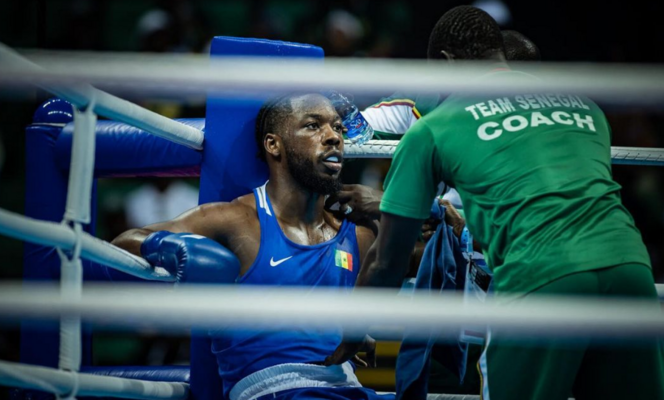
For him, the role of a sporting body should not be limited to simply registering athletes for international competitions. It should also contribute to their development, preparation, and progress.
His account echoes a concern raised by several athletes interviewed for this report: the issue of unequal treatment between the highest profile disciplines and those more in the shadows.
“Football naturally remains the most publicized sport in Senegal, but we must not forget the others. Sports like boxing, judo, athletics or swimming also allow Senegal to shine internationally. Yet, their athletes often lack resources and support. I think it’s important to better distribute resources so that all athletes representing the country can perform in good conditions.“
For the boxer, the issue of resources remains central. His own career, he says, illustrates these difficulties: “In 2023, I paid for my pre-selection training camp and my participation in the World Championship in Uzbekistan. Once there, I noticed that three other Senegalese boxers, one coach and the secretary general were, themselves, taken care of. All my sports preparation was also done at my clubs in France, at my own expense. Since I have represented Senegal, I have never received any support from the federation to prepare for major international competitions.”
The issue does not concern only established athletes. It also affects future generations seeking to build themselves in high-level sport, according to the athlete.
His message is, therefore, more a call for a shift in the system than just a criticism of his own career.
“Support all Senegalese athletes, not only when they win a medal. Behind every result, there are years of sacrifices, often funded by the athletes themselves or their families.“
Some have agreed to speak publicly. Others preferred to speak anonymously, fearing potential consequences on their careers or their position within national teams.
This restraint says a lot about the unease permeating the sports scene. Several athletes explain they hesitate to speak openly about their federation, fearing that their words might jeopardize their sporting future or close off certain opportunities.
Athletics: “After the World Indoor Championships in Poland and the African Championships in Ghana, no bonuses were paid to the athletes.“
In Senegalese athletics, some athletes say they have to build their careers with limited means and significant personal commitment. An international athlete in the discipline, who wished to remain anonymous, describes daily life where the pursuit of performance often relies on significant individual investment.
The decision to testify anonymously is telling. Like other athletes interviewed for this report, he says he fears that speaking out could have consequences on his career or his relationships with the governing bodies overseeing his discipline.
According to him, the difficulties start long before major international competitions, right when performance is built.
“In our sport, the reality is that the preparation relies almost entirely on the athlete. The camps, equipment, therapy (physiotherapy), some of the coaching and sometimes even some trips are funded out of our own pocket.“
The athlete believes that support for major competitions only represents a part of what’s needed to reach the top level. The daily grind leading up to that, in his view, is largely borne by the athletes themselves: “Apart from the Olympic grant for those who receive it, federations rarely provide real support in preparation. They generally cover the flights for major competitions, but all the work to get there is very often at the athlete’s own expense.”
Beyond sports preparation, the issue of unmet commitments also returns in his account. He says that certain rewards tied to international performances have not been paid.
“Many promises are made, but they are not always kept. Personally, after the World Indoor Championships in Poland and the African Championships in Ghana, no bonuses were paid to the athletes.“
For him, this lack of recognition has a significant psychological impact on the athletes who devote years to their sport.
“We received congratulations, but not the rewards that were announced. That lack of recognition is discouraging, because behind every result, there are years of sacrifices and personal investment.“
His testimony echoes a broader criticism about sports governance. The Senegalese international says, in particular, that some institutional transitions are slow to be implemented, to the detriment of the development of the sport.
“I also find it unacceptable that the term of the president of the Athletics Federation ended some time ago and the transition has still not taken place. Meanwhile, athletes continue to suffer the consequences of the lack of change and tangible decisions.“
An account that once again illustrates the paradox raised by several athletes: representing Senegal on the biggest international stages while feeling they must, in part, provide their own means to get there.
Women’s handball: “Some of us have thought about leaving the team“
In team sports as well, the sense of frustration exists. A Senegalese women’s handball international, who also chose anonymity for fear of reprisal, recounts a situation where uncertainties surrounding her team’s preparation before major competitions weighed on the group.

Her story comes at a time when Senegalese players have regularly carried the country’s ambitions on the African stage, but where preparation conditions, according to her, remain a matter of concern: “We were supposed to have a training camp for the 2024 Africa Cup of Nations in Congo, but it was cancelled just three weeks before the scheduled date. According to the federation, the reason was a sudden lack of budget…“, she says.
For this player, these last-minute decisions make it harder for a team that must nonetheless meet high-level demands to prepare well.
Beyond that decision, she mentions a deeper feeling within the group, with players beginning to question their future on the national team.
“Today, some of us have even thought about leaving the team because of the lack of investment and support from the federation.“
The issue of bonuses is also a point of tension in her story. She says the players are still awaiting part of the sums owed to them for their participation in CAN 2024.
“Since CAN, we still haven’t received all that is owed to us. Anyone who says otherwise can come explain themselves.“
Through this account, a new problem emerges: athletes who say they have to contend with organizational uncertainties even as they are supposed to be preparing for international competitions where any small mistake could have an impact on performance.
Cries from the heart
While many still choose discretion, some athletes have decided to speak publicly on social networks. In 2024, the Senegalese-American basketball player Cierra Dillard notably denounced delays in the payment of players’ bonuses.
For her part, Senegalese fencer Ndeye Binta Diongue told Sport News Africa of her concerns about preparations for the 2024 Paris Olympic Games, citing a lack of psychological, financial, and material support.
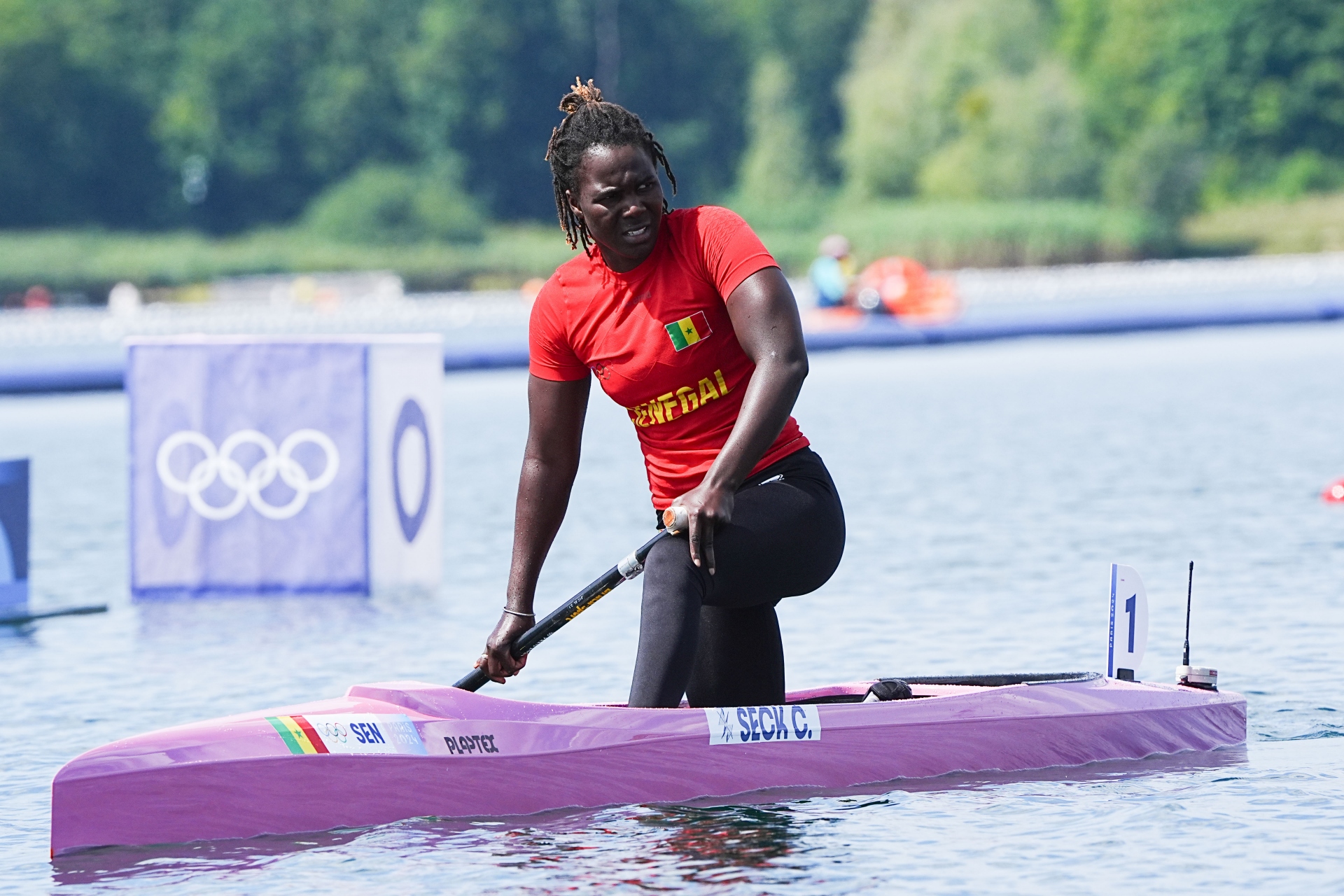
More recently, Combe Seck, who represents Senegal in canoe-kayak, posted a lengthy message on LinkedIn in which she explains the difficulties she faces within her federation. Usually low-key, the athlete chose this time not to mince her words: “I pay my own expenses. I fund my travel. I find my own spending money. I handle my equipment according to the season. I sell jerseys and other items to pay for my transport and keep going. Sometimes, at championships, I see all the other athletes well-equipped and surrounded—except me. And yes, sometimes that demotivates me.“
Before them, Kéné Ndoye had already embodied this struggle. A figure in Senegalese athletics, double Olympian and world medalist, she fought for years to receive the bonuses she said were owed to her—a battle she continued until her death in 2023. More than twenty years after the champion’s first calls for help, the testimonies gathered from several athletes suggest that some difficulties persist. A reality that raises a fundamental question: how many generations of athletes will still have to denounce the same problems before this debate leads to concrete change?
Adja CISSÉ
Credit: Source link