

Solar power helps Cuban small businesses survive energy crisis
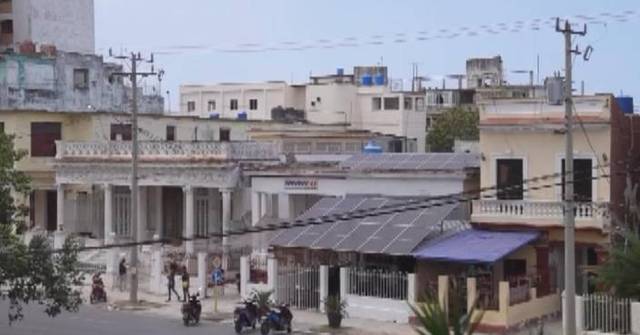
Amid Cuba’s prolonged energy crisis, solar photovoltaic systems are emerging as a lifeline for small and medium-sized enterprises struggling with daily power outages.
In Havana, one small cafe stands out on blackout nights. While the surrounding streets are plunged into darkness, the cafe remains brightly lit.
“Right now there is no electricity inside at all. We are running on solar panels and charging our batteries at the same time. These batteries supply all the power for the entire house. It takes about seven or eight hours to fully charge them. Here you can see the batteries charging. It’s at 99 percent,” said Adrian, cafe manager.
The solar system not only keeps the business operating normally during long outages but also offers customers a place to charge their devices.
“It basically solves all my work-related problems because I work online. Without power at home, I wouldn’t be able to work,” said Richard, a customer.
Cuba’s electricity shortage has worsened significantly due to the impact of the U.S. blockade, with daily blackouts in Havana often lasting more than 10 hours. This has severely disrupted both daily life and commercial activities.
In response, more small businesses are turning to solar energy.
“Sales are growing mainly because of increased demand. Energy supply in Cuba has been very limited for many years and is declining. This need is being met through solar energy,” said Alexander, a solar system seller.
As equipment costs continue to fall, solar systems are gradually becoming affordable for small and medium-sized enterprises.
The Cuban government is also supporting the shift toward renewable energy by offering incentives, including tariff exemptions on imported solar equipment for individuals and companies, as well as tax breaks for businesses and individuals investing in renewable energy projects.
Solar power helps Cuban small businesses survive energy crisis
More than 10,000 people gathered outside Japan’s National Diet in Tokyo on Friday to protest the government’s moves toward expanding military capabilities and revising the country’s pacifist constitution.
On June 9, Japan’s ruling Liberal Democratic Party approved a draft proposal on revising the country’s three key security documents later this year, according to Kyodo News. The proposal, formalized at the party’s decision-making General Council, called for securing necessary funding to transform Japan’s defense capabilities within five years.
Some other conservative parties in Japan also proposed amendments to Article 9 of the constitution — the “peace clause” that renounces war and bans “war potential”, during constitutional review meetings.
“I was taught when I was young that Article 9 of the constitution is very important for keeping Japan from becoming involved in war. Now the sudden move to revise it makes me feel fearful. So to express my feelings, I came here to protest the revision,” said a protester.
The protest also targeted specific policy proposals, including potential changes to restrictions that limit arms exports.
As far as the issues of war and weapons exports are concerned, Japan has followed its own historical path since the end of World War II. But what [Prime Minister Sanae] Takaichi is trying to do now is to reset this period of history back to zero. Unfortunately, some people support this approach, but I do not. I hope Japan will not take that [terrible] step again,” said a protester.
“If we continue to strengthen military power, it will only worsen Japan’s relations with neighboring countries. The government should not take this approach,” said another protester.
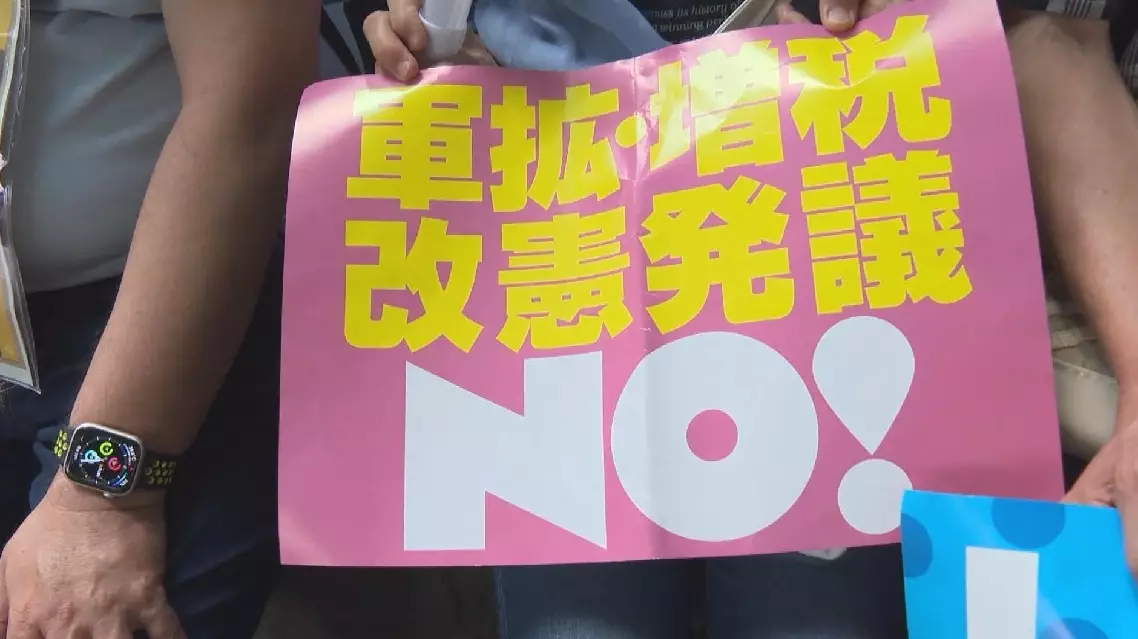
Thousands protest against Japan’s military expansion, constitutional revision