

Scientists uncover unexpected plant ingredients in ancient Egyptian paint
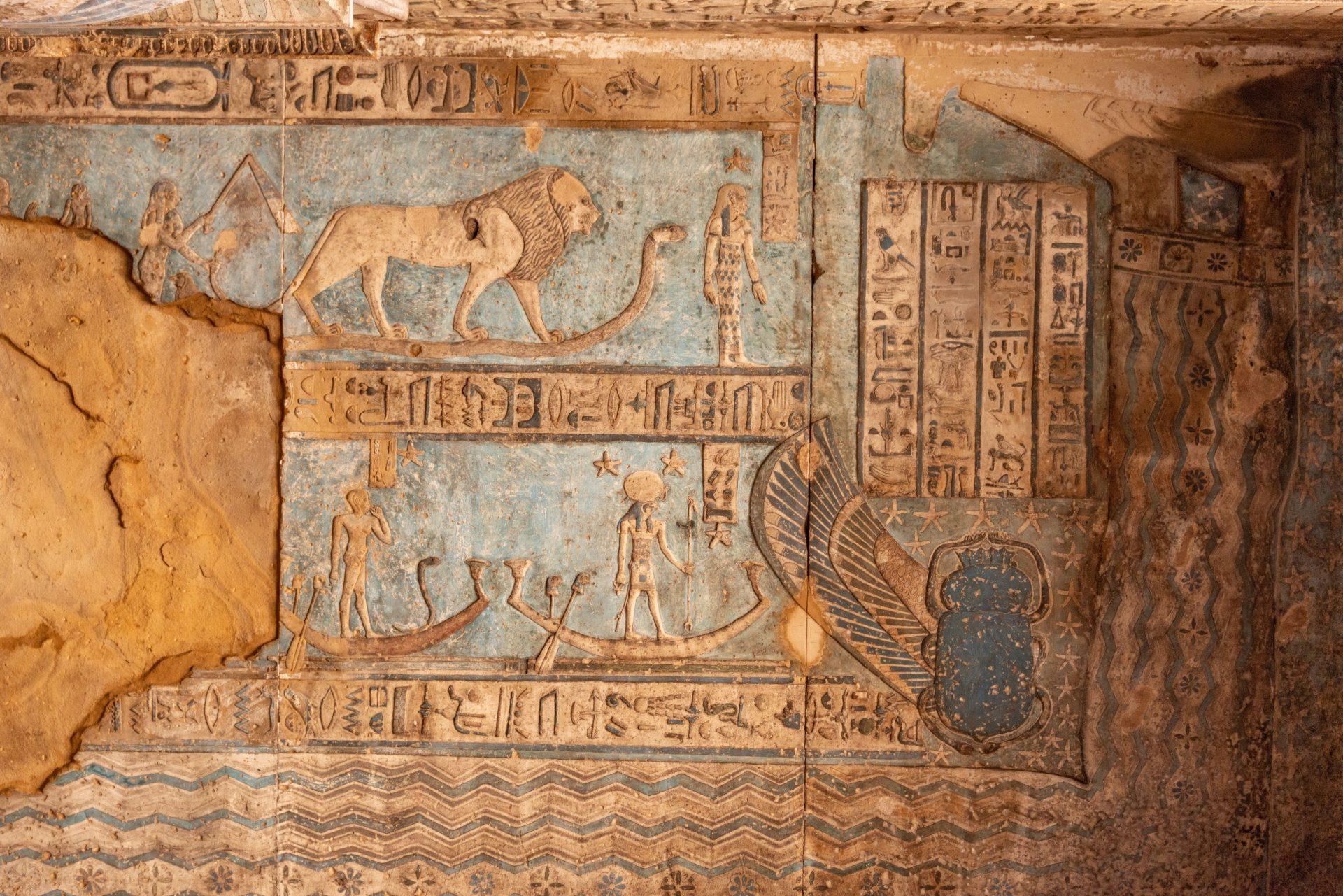
CAIRO, Egypt (MNTV) — Scientists have uncovered unexpected plant-based ingredients in ancient Egyptian paints, offering new evidence that artisans carefully selected materials for both practical and possibly symbolic purposes.
An international team of conservators, archaeologists and historians examined organic materials preserved in painted artifacts dating from about 1425 BCE to 40 CE. Their findings, published in Science Advances, provide new insight into the techniques used to produce and preserve ancient Egyptian artwork.
Researchers analyzed 28 samples of paint and adhesive collected from 14 artifacts held in Egyptian collections at major museums. The objects included wooden coffins, tomb paintings, limestone architectural elements and cartonnage.
The study confirmed the use of organic binders and adhesives, including materials derived from animals. Ancient Egyptian craftsmen are believed to have produced glue by processing bones and connective tissues, which helped bind paint and other materials.
However, scientists also detected proteins associated with several plants, including cereals, pollen and two particularly unexpected sources — sesame and moringa.
The identification of moringa proteins was especially significant. Although historical evidence had previously indicated that moringa trees were used in Egypt during the Greco-Roman period, the study provides direct evidence of moringa-derived proteins in ancient Egyptian artwork.
Researchers found the proteins in artifacts from two separate museum collections, suggesting that their use may not have been isolated to a single workshop or object.
The discovery could also have a cultural dimension. Moringa was associated with Ptah, the ancient Egyptian deity regarded as a patron of craftsmen and artisans. Historical references described the deity in connection with the moringa tree.
Scientists therefore believe the use of moringa-derived materials may have been more than a technical decision and could have reflected religious or symbolic beliefs among artisans.
The researchers used proteomics, a technique that allows scientists to extract extensive information from extremely small quantities of ancient proteins. Because the artifacts are highly fragile, the team took only microscopic samples using surgical needles and blades.
The researchers also carefully excluded material that could have been introduced during archaeological excavation, restoration or conservation work, helping distinguish original components from later contamination.
The findings challenge the assumption that ancient Egyptian painting techniques relied mainly on a limited range of conventional materials.
Instead, they suggest artisans had access to a broader selection of organic substances and may have deliberately chosen materials according to their properties, availability or cultural significance.
The researchers cautioned that the discovery does not establish with certainty why moringa or other plants were incorporated into particular paints.
Further analysis across different periods, regions and workshops will be needed to determine whether specific materials were associated with particular artistic traditions.
The study nevertheless provides a new window into ancient Egyptian craftsmanship, showing that the composition of surviving artwork can reveal information about technology, trade, religious practices and the choices made by individual artisans thousands of years ago.
Credit: Source link