

Scientists found two bat species never known to science in Cameroon’s rainforest after studying bats that looked almost identical |
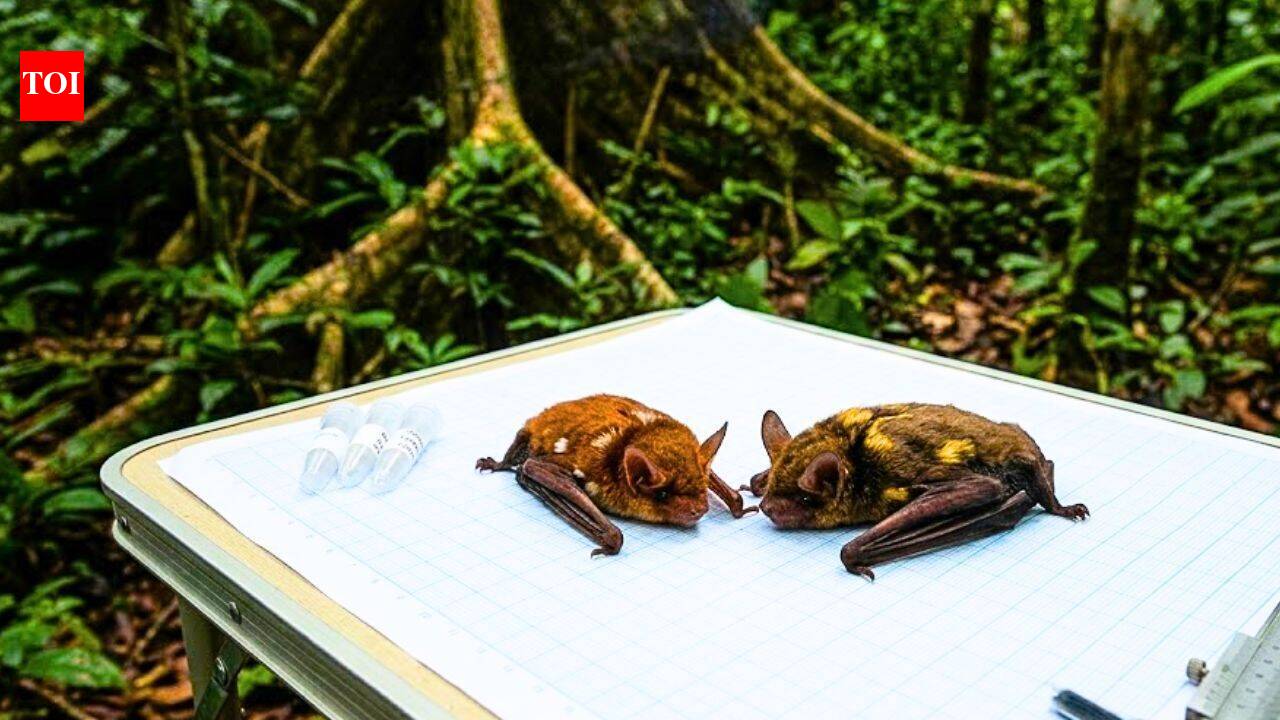
Deep inside the rainforests of southeastern Cameroon, scientists have identified two bat species that had never been formally recognised by science. The discoveries came from surveys in and around Lobéké National Park and the Dja Biosphere Reserve, where researchers examined a small collection of forest bats belonging to the genus Glauconycteris. At first glance, separating these animals from their close relatives was not straightforward. Their similar appearances meant that measurements alone could not settle their identities. The research team combined physical characteristics with genetic analysis, revealing two distinct species among the specimens collected. One has been named Glauconycteris baka, recognising the Baka people and their longstanding connection with the forest, while the other is Glauconycteris lobeke, named for Lobéké National Park. The study also uncovered a wider picture of overlooked bat diversity in Cameroon, including a species recorded in the country for the first time.
Two new bat species identified in Cameroon
According to the research published in ZooKeys titled ‘An integrated taxonomic and conservation assessment of Glauconycteris (Chiroptera, Vespertilionidae) in Cameroon, with the description of two new species from the Northwestern Congolian Lowland Forest‘, the two newly described species belong to Glauconycteris, a genus of small forest-dependent bats found across sub-Saharan Africa. Researchers named one Glauconycteris baka in honour of the Baka people, who live in and around Lobéké National Park and maintain a close relationship with the forest and its wildlife. The second species, Glauconycteris lobeke, was named after Lobéké National Park, where the animals were captured. Both species were identified during surveys in southeastern Cameroon. The team collected ten Glauconycteris specimens, with eight discovered from Lobéké National Park and two from Dja Biosphere Reserve. Morphological measurements and molecular analyses helped distinguish the bats and place them among the genus’s recognised species.
PC: AI Generated
How scientists separated the similar-looking bats
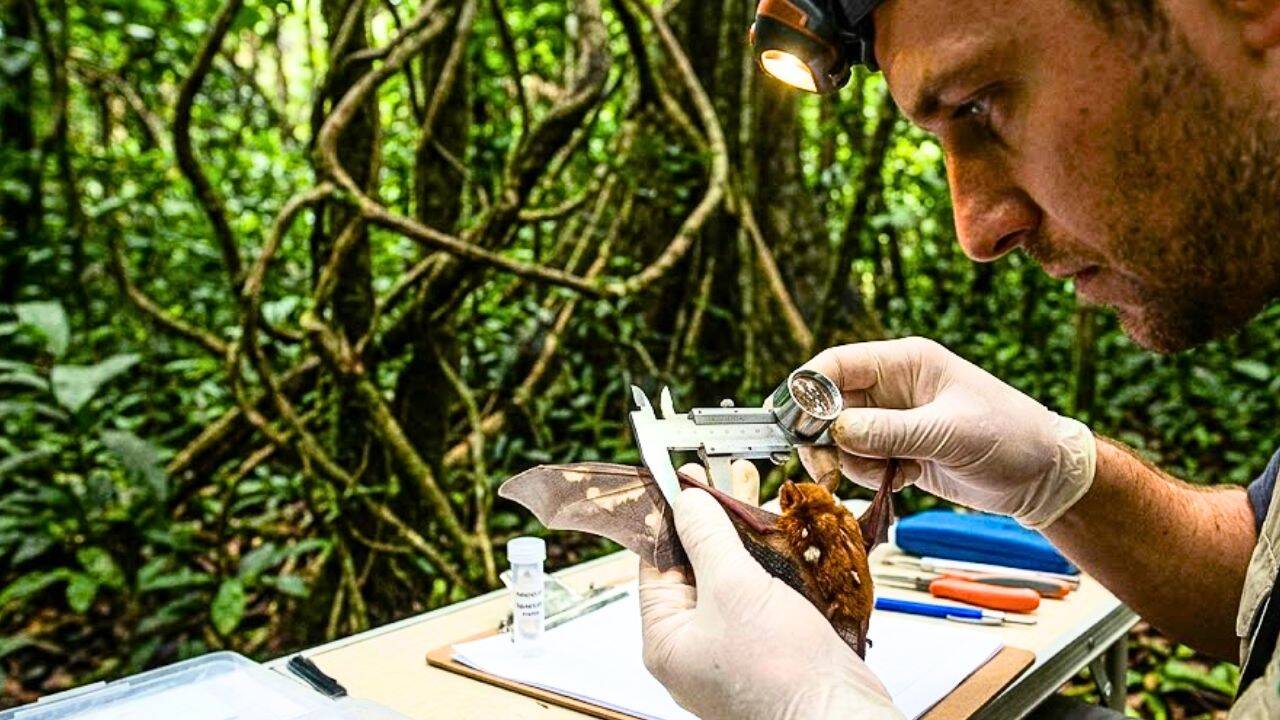
Identifying Glauconycteris can be difficult because several species share similar physical features. The researchers therefore used an integrated approach rather than relying on appearance alone. They compared external measurements and other morphological traits before examining molecular evidence to clarify relationships among the specimens. The analysis placed the collected bats within three recognised species groups out of eight discovered: poensis, beatrix, and humeralis. It also revealed that G. beatrix, previously treated as a single species, represents a species complex made up of closely related forms. The two new bats were distinguished through differences in morphology and genetics, allowing the researchers to establish them as clearly separate species.
What the discoveries reveal about Cameroon’s bat diversity
The survey expanded the knowledge of Glauconycteris in Cameroon. The researchers recorded Glauconycteris superba in Cameroon for the first time, which extends the known distribution of that species. The work also provided ecological information for three species currently listed as Data Deficient on the IUCN Red List: G. gleni, G. egeria and G. curryae. Together, these results show that the diversity of the genus is greater and more complicated than earlier classifications suggested. The findings reveal that bats with similar features are not always the same species.
How two new bat species were found in Cameroon’s forests
Most of the specimens examined came from Lobéké National Park, while the remaining ones were collected from the Dja Biosphere Reserve. The researchers found that all 11 Glauconycteris species recorded in Cameroon occur within or near one protected area. The two newly identified species were also found in forest areas linked to these protected landscapes. Glauconycteris baka was discovered near Mambele village in the park’s community-managed hunting zone, while G. lobeke was collected from the Djombi village.
Credit: Source link