

Russia Reasserts Its Syrian Foothold With First Post-Assad Resupply Run: WSJ
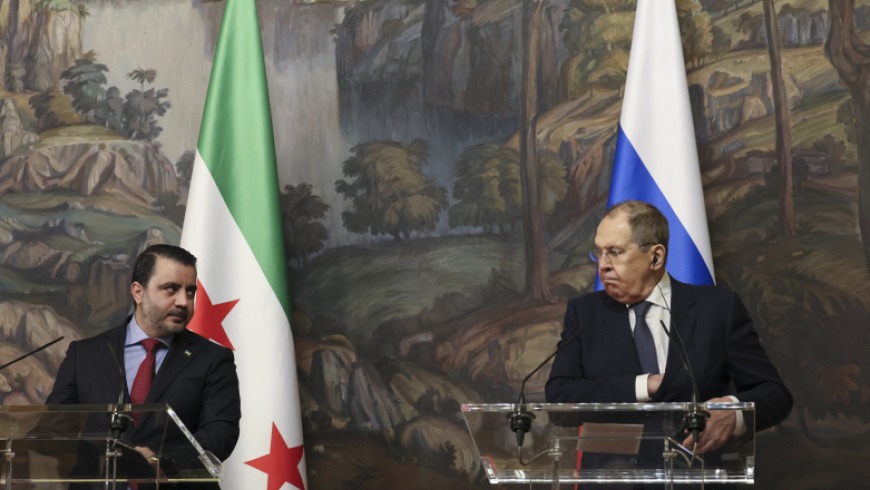
The Wall Street Journal has said that Russia has quietly resumed resupplying its military facilities in Syria, signaling Moscow’s determination to preserve a strategic foothold in the country despite the overthrow of its longtime ally, the Assad regime.
According to U.S. officials and satellite imagery reviewed by the Journal, a sanctioned Russian cargo vessel completed the first such mission since Assad’s fall, underscoring the Kremlin’s success in maintaining access to its air and naval bases under Syria’s new Islamist-led government.
The Journal reports that the cargo ship Sparta departed St. Petersburg in March and reached the port of Tartus in May, escorted for much of its journey by Russian naval vessels. U.S. officials tracking the voyage said the ship was carrying equipment destined for the Hmeimeem Air Base, Russia’s principal military installation in Syria and a critical node in Moscow’s global logistics network. The ship’s owner, already under U.S. sanctions for transporting weapons on behalf of the Russian Defense Ministry, has long been associated with covert military shipments.
The resupply run, the first since late 2024, indicates that Russia has retained operational use of the Hmeimeem and Tartus bases even after Assad’s ouster by Islamist rebel factions. This outcome, the Journal notes, has frustrated some U.S. officials who had hoped the Syrian revolution would deprive Moscow of a key Mediterranean platform used to support operations in Africa and South America. Instead, Russia appears to have persuaded the new Syrian leadership that the bases serve mutual interests.
Aron Lund of the Swedish Defense Research Agency told the Journal that Moscow relied more on incentives than coercion to secure its position. “They have used carrot and stick, but I think mostly carrot,” he said, arguing that both sides see value in continued cooperation.
The U.S., by contrast, completed its own withdrawal earlier this year, ending more than a decade of military presence in Syria. Washington has offered no public comment on the Sparta’s cargo or current location, and neither the Syrian government nor the Russian Defense Ministry responded to the Journal’s inquiries.
The Journal emphasizes that the Hmeimeem Air Base and the Tartus naval facility remain central to Russia’s global military posture. Moscow has used them as staging grounds for deployments farther afield and as its primary access points to the Mediterranean. After Assad’s fall, Russia initially pulled back—removing naval assets from Tartus in 2025 and reducing its troop footprint—but soon re-engaged diplomatically with Syria’s new president, Ahmed Sharaa.
Sharaa, a former rebel commander who fought both Assad and Russian forces, has nonetheless cultivated ties with Moscow alongside outreach to Western capitals. His government has relied on Russian wheat and oil—reportedly sold at favorable rates—to stabilize an economy battered by sanctions and war. Both sides also share security concerns: Assad loyalists now reside in Russia, while Chechen and other fighters from former Soviet regions remain in Syria after years of conflict.
The Sparta’s voyage, documented by commercial satellite imagery from Vantor and Planet Labs, illustrates the depth of Russia’s ongoing commitment. The ship was escorted in the Mediterranean by the frigate Admiral Kasatonov and another naval vessel, which remained offshore as the cargo was unloaded in Tartus. Analysts told the Journal that the Sparta and its sister ships form a small fleet used to circumvent restrictions on Russian military movements through the Black Sea.
Some U.S. officials downplayed the significance of the mission, noting that the equipment delivered is far from American areas of interest in Syria’s northeast. But the Journal highlights the broader political context: after Assad’s fall, President Biden had conditioned sanctions relief on the removal of Russian bases. The Trump administration later abandoned that requirement and ultimately lifted sanctions unconditionally, clearing the way for Moscow’s continued presence.
With hundreds of Russian personnel still on the ground, the Journal concludes that the resupply mission marks not a symbolic gesture but a concrete demonstration of Russia’s enduring influence in post-Assad Syria—and a reminder that the Kremlin’s strategic ambitions in the Middle East have survived the region’s political upheavals.