

Nursing homes: Group urges Trump administration to exempt Haitian TPS holders from immediate removal
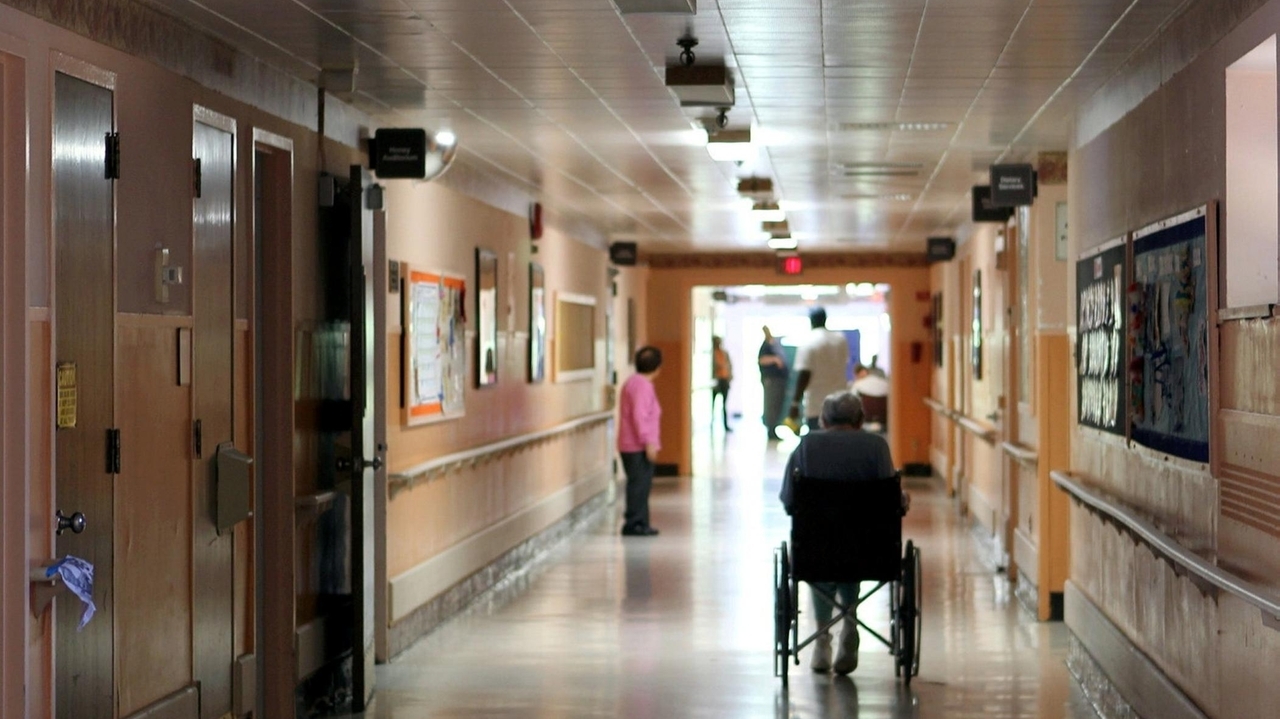
Hundreds of Haitian immigrants working as caregivers at Long Island nursing homes have been forced out of their jobs after the Trump administration rescinded their Temporary Protective Status, according to some statewide elder care advocates that are seeking to exempt those employees from removal from the U.S.
In a letter this week to Homeland Security Director Markwayne Mullin, Stephen Hanse, president and chief executive of the New York State Health Facilities Association, said the end of TPS protection for Haitian immigrants has the potential to “destabilize an already fragile long term care workforce and jeopardize access to care for countless nursing home and assisted living residents in New York — and across our country.”
Aides in ‘critically short supply’
The Health Facilities Association, which represents more than 400 nursing homes and assisted living facilities statewide, including many on Long Island, is asking the Trump administration to exempt Haitian TPS holders who are working as nursing assistants and aides from immediate removal.
“New York’s long term care providers continue to face workforce shortages despite sustained investments in recruitment, training, wage increases, and retention initiatives,” the letter stated. “Certified nursing assistants, dietary staff, environmental services personnel, maintenance employees, and other front line caregivers remain in critically short supply. Many providers rely on employees from Haiti and other countries who have worked legally in our facilities for years, providing compassionate, high-quality care and building trusted relationships with residents and their families.”
In a statement, a Homeland Security spokesperson said there would be no exceptions made for Haitian nursing home workers.
“The assertion that the only way we can support the healthcare industry is by allowing unvetted illegal aliens to remain in the country is grossly false and lazy,” the agency said. “Temporary Protected Status is exactly that — temporary. For too long, TPS has been allowed to function as a de facto amnesty program despite Congress never intending it to be permanent.”
Some 40,000 Haitian TPS holders live in New York — the most of any state — with an estimated 7,000 working as nursing assistants and direct caregivers, Hanse said.
Nationwide, about 330,000 Haitian immigrants with TPS protection lived in the U.S. as of January, according to a report from the immigration advocacy group Fwd.us
LI nursing homes affected
While there is no reported number of how many TPS-status Haitians work at Long Island nursing homes, Hanse estimated the number to be in the hundreds — the bulk of whom have already been forced out of their positions.
“Any significant reduction in the available workforce would make it more difficult to serve current and new residents, causing a ripple effect that could overwhelm our local hospitals and the entire healthcare system,” Hanse wrote. ” … Replacing these workers is neither immediate nor easy, particularly in a labor market where thousands of long-term care positions remain unfilled.”
New York Gov. Kathy Hochul, a Democrat seeking reelection in November, made a similar plea to Mullin in a letter last week, urging DHS to restore TPS protections for Haitian immigrants.
“The sudden removal of these members of our workforce and our communities will impact critical services that New Yorkers rely on — with a particularly heavy impact on the healthcare industry, putting our seniors and other vulnerable New Yorkers at risk,” Hochul wrote.
Earlier this month, members of the New York State Nurses Association rallied in Brooklyn with Democratic lawmakers to protest the termination of TPS status for Haitians.
On Long Island, the end of TPS protections could be particularly impactful to the already short-staffed elder care industry, where many Haitians work as home health aides and certified nursing assistants, particularly in hospitals and nursing homes, experts said.
Many elder care facilities, including those on Long Island, saw an exodus of employees during the COVID-19 pandemic. Staffing levels were beginning to stabilize before the Trump administration’s immigration crackdown, industry officials said.
TPS status revoked
Haiti’s TPS designation started in 2010 shortly after an earthquake left hundreds of thousands of people dead and a collapsed infrastructure. Since then, the program has been extended several times.
DHS announced last year that it was revoking Haiti’s TPS designation, which allows noncitizens to live and work in the U.S. without facing deportation if they cannot return safely to their home countries. The small Caribbean island has been consumed by gang violence and political instability.
While the move was temporarily blocked by a lower court, the U.S. Supreme Court decided in late-June to allow the Trump administration to terminate the TPS designation for Haitian and Syrian immigrants, which it did July 27.
Workers from many countries with TPS designation, including Haiti, Venezuela, Honduras and Nicaragua — all of whom have also seen their TPS status revoked — are overrepresented in elder care roles, experts said.
An analysis from the nonprofit KFF found roughly 5% of the immigrant healthcare workforce across the country comes from Haiti. Meanwhile, about 15% of healthcare workers are TPS recipients, according to a 2025 report from the Journal of American Medical Association.
There are roughly 25,750 Haitians living in Nassau County and about 14,485 in Suffolk, according to the U.S. Census Bureau’s 2024 American Community Survey 5-Year Estimates. It is not clear how many of those Long Islanders had TPS protection.