

‘No climate check, no concrete’ — Engineer urges Sierra Leone to halt untested projects
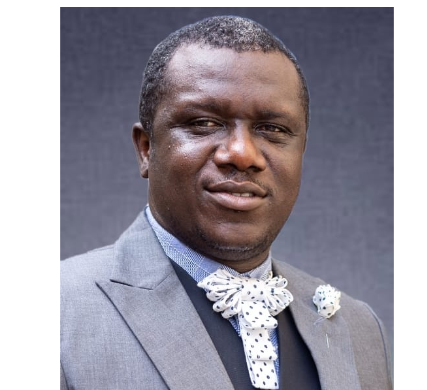
A Nigerian engineering expert has called on Sierra Leone to suspend approval of major infrastructure projects unless they undergo strict climate vulnerability assessments, warning that ignoring environmental risks is “funding failure in advance.”
Engr. Dr. Bola J. Mudasiru, Deputy National Chairman of the Nigerian Institution of Highway and Transportation Engineers (NIHTE), made the appeal while speaking at the Sierra Leone Institution of Engineers (SLIE) Biennial Conference 2026.
He urged policymakers and engineers to prioritise climate resilience in the planning and execution of roads, bridges, and buildings across the country.
Delivering a paper titled “From Vulnerability to Resilience: Building Sustainable and Resilient Infrastructure for Sierra Leone’s Future,” Mudasiru said infrastructure decisions made without certified climate risk assessments were effectively committing the country to repeated reconstruction costs.
According to him, Sierra Leone already loses an estimated $31.65 million annually to floods and landslides, based on the 2024 ND-GAIN Index, while ranking 155th out of 182 countries in climate readiness, with a score of 0.297 and a vulnerability index of 0.597.
He warned that continued development without adequate environmental checks would deepen both economic and human losses.
“Every year of inaction compounds the costs — in lives, livelihoods, and in the long-term development trajectory of this nation,” he said. “We are not saving money by skipping assessments. We are signing up for repeated reconstruction.”
Mudasiru noted that Sierra Leone’s geography makes it highly exposed to climate hazards, citing coastal erosion of 4–6 metres annually, projected sea level rise of 0.63–1.32 metres by 2100, and intense rainfall levels exceeding 3,500mm yearly in Freetown amid rapid urbanisation.
He also referenced the August 2017 Mount Sugar Loaf disaster, where a major landslide reportedly killed over 1,000 people and displaced thousands more, saying post-event studies showed structural and planning failures contributed significantly to the scale of destruction.
He described the incident as “not just a natural disaster, but a design and planning failure.”
To address what he called a “reactive trap” in infrastructure development, the engineer recommended stricter regulatory measures, including mandatory climate vulnerability assessments before approval of any public infrastructure project.
He also proposed the creation of a high-resolution national climate and topographic database to guide engineering design, alongside restrictions on construction in high-risk floodplain, coastal, and landslide-prone areas.
Other recommendations included dedicating at least 5 per cent of annual infrastructure budgets to maintenance and ensuring climate risk assessments are integrated from the earliest stages of project design.
Mudasiru stressed that Sierra Leone’s development path depends on whether infrastructure planning shifts from reactive reconstruction to preventive resilience.
“Sierra Leone sits at the confluence of multiple climate threats,” he said. “Without climate-informed design, we’re not building for the future. We’re building for the next disaster.”
Credit: Source link