

Nigeria Upbeat Over Maritime Competitiveness After US Lifts 12-Year Ban
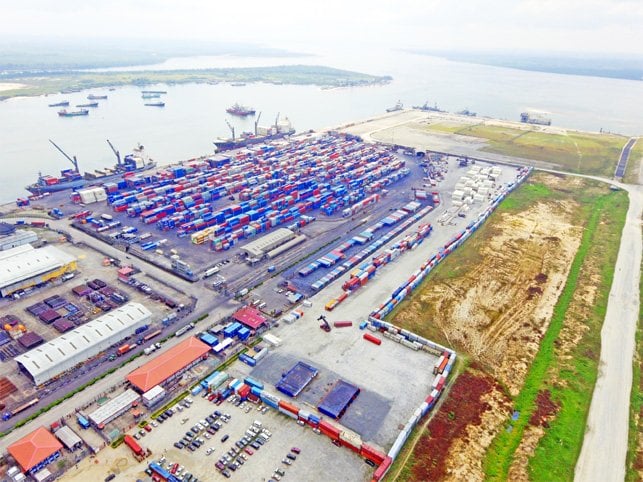
Nigeria will work to attract more shipping lines to its maritime sector and deepen trade with the United States following the lifting of restrictions imposed on vessels originating from the country due to security concerns, specifically weak anti-terrorism measures.
After more than a decade of vessels arriving in the U.S. from Nigerian terminals being subjected to stricter security scrutiny, the West African nation is upbeat that the lifting of the Conditions of Entry (COE) will enhance its maritime sector’s competitiveness and increase bilateral trade.
Nigeria, Africa’s most populous nation, ranks as America’s second-largest trading partner in Sub-Saharan Africa after South Africa. Last year, two-way trade between the two countries reached $15 billion, a 14 percent increase over 2024, with crude oil remaining as the biggest export.
For Nigeria, a decision by the United States Coast Guard (USCG) to impose COE on vessels originating or calling from some of its port terminals in 2014 had greatly curtailed the competitiveness of the country’s maritime sector. The restrictions were imposed due to non-compliance with the International Ships and Ports Facility Security (ISPS) code that was developed in response to perceived threats to ships and port facilities in the wake of the 9/11 attacks.
The COE restrictions meant that vessels destined for the U.S. that had called at designated Nigerian ports within their previous five port calls had to undergo additional security measures and enhanced scrutiny before gaining access to U.S. waters. For Nigeria, being designated as lacking effective anti-terrorism measures has had adverse impacts on the competitiveness of its maritime sector, specifically on vessel turnaround, schedule reliability, and costs.
Authorities in Nigeria are now revealing that over the past two years, the USCG has been conducting assessments of the country’s national maritime security framework and port facilities. The assessments have demonstrated significant progress in maritime security performance and implementation of the ISPS Code. Ultimately, the U.S. finally decided to lift the COE, a development that Nigeria believes is of significant importance to its maritime sector.
By facilitating faster vessel turnaround, improving schedule reliability and reducing costs associated with additional documentation, inspections, security measures and entry-related delays, Nigeria is optimistic that more shipping lines will call at its port facilities. The ripple effects would be increased trade ties with the U.S.
“We are committed to sustaining this momentum and ensuring that Nigeria remains a safe, secure and competitive destination for international shipping,” said Adegboyega Oyetola, Nigeria’s Marine and Blue Economy Minister.
Stay on Top of the Daily Maritime News
The maritime news
that matters most
Get the latest maritime news delivered to your inbox daily.
Nigeria is determined to position its maritime sector as a regional trade hub under the African Continental Free Trade Area (AfCFTA). In the first quarter of this year, the sector recorded strong operational growth with gross registered tonnage rising by 19.5 percent to 46.7 million. In 2025, total cargo throughput in the country reached 129.3 million metric tonnes, a 24.8 percent increase from 103.6 million metric tonnes recorded in 2024.
The lifting of the COE restrictions on Nigeria leaves a retinue of 23 countries, specifically in Africa and Asia, under the scope of enhanced scrutiny for vessels entering the U.S. Haiti became the latest addition to the list following its inclusion in June this year.
Credit: Source link