

Morocco Weighs Suspending Extradition Agreement With Spain
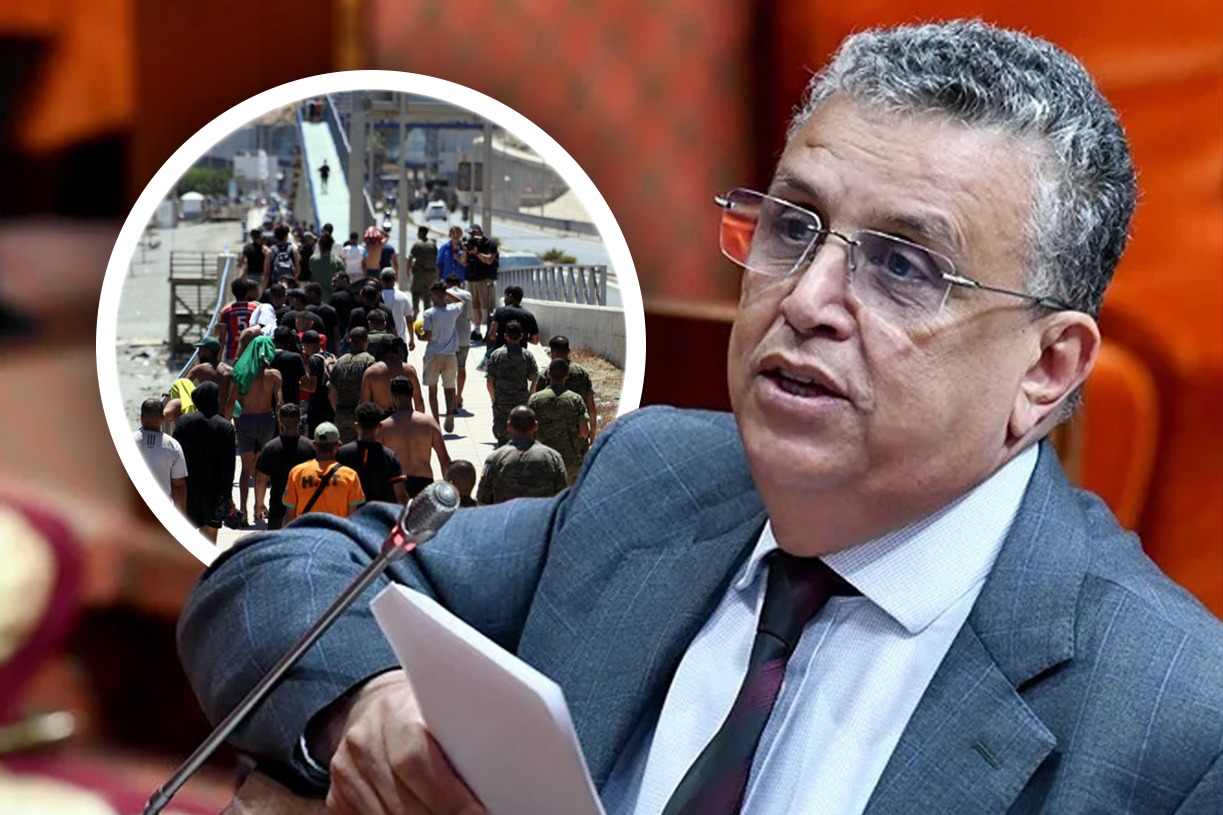
Casablanca – “We are now debating in the Ministry of Justice the possibility of suspending the application of the extradition agreement between Morocco and Spain,” Justice Minister Abdellatif Ouahbi told Spanish news agency EFE on Wednesday.
Ouahbi said that when Morocco asks Spain to hand over a person, the individual is initially detained. After their identity is verified and a transfer date is set, Moroccan authorities send security agents to Spain to take custody of the person.
But in some cases, the handover does not happen. Ouahbi said Moroccan authorities are sometimes told that the person has been released, describing such situations as “incomprehensible.” He did not provide details of specific cases.
The minister said Morocco follows the same procedures when Spain requests the handover of people and stated that Rabat delivers all those whose extradition is requested by Spanish authorities.
Ouahbi called on Spain to take extradition procedures seriously and said Morocco would no longer accept situations in which its agents are sent to receive a person only for the operation to be canceled.
Read also: ‘Return Our Children’: Morocco Presses Spain Over Moroccan Minors in Ceuta
He also rejected explanations that a person failed to appear at the airport at the scheduled time for a flight. “If Spain does not want to respect the delivery procedures or repatriation procedures, we can suspend these agreements,” Ouahbi said.
The extradition dispute comes weeks after the Ceuta mass crossings.
Far right politicians continue to disseminate anti-Moroco rhetoric, accusing Rabat of facilitating the Ceuta irregular migration to pressure Spain.
The accusations come amid Rabat efforts to combat human trafficking.
Morocco has repeatedly called for the return of unaccompanied Moroccan minors in Spain, including those in Ceuta.
Moroccan authorities have described the management of migration and the return of minors as a shared responsibility between the two countries.
The Moroccan Interior Ministry also renewed its call Wednesday for Spain to overcome administrative and judicial obstacles preventing the return of minors and to respect commitments under a framework of shared responsibility.
Ouahbi has meanwhile criticized Spain’s migration policy, arguing that Morocco works to prevent migrants from leaving while Spain accepts and regularizes some people who arrive irregularly. He called for both countries to coordinate their policies and establish clear procedures for managing migration.
Morocco has previously reiterated that migration management with the EU must be based on shared responsibility, solidarity and burden-sharing, rather than border control alone. The Interior Ministry said Rabat will continue cooperating on irregular migration and human trafficking while calling for a more balanced approach to the costs and responsibilities involved.
Credit: Source link