

Morocco and the Gulf of Guinea: A Real Vision and Atlantic Dynamism Leading the Way for Common African Integration
- Morocco’s Strategic Transition Toward the Atlantic: A New Geopolitical Paradigm
- The Atlantic Initiative and the Gulf of Guinea: Synergies Against Global Challenges
- Regional Integration Infrastructures: From Dakhla Atlantic Port to the Morocco-Nigeria Gas Pipeline
- Rabat’s Diplomatic Balance Amid Global Power Competition
- Development Diplomacy and Demographic Dividend: Toward a New Era for Africa
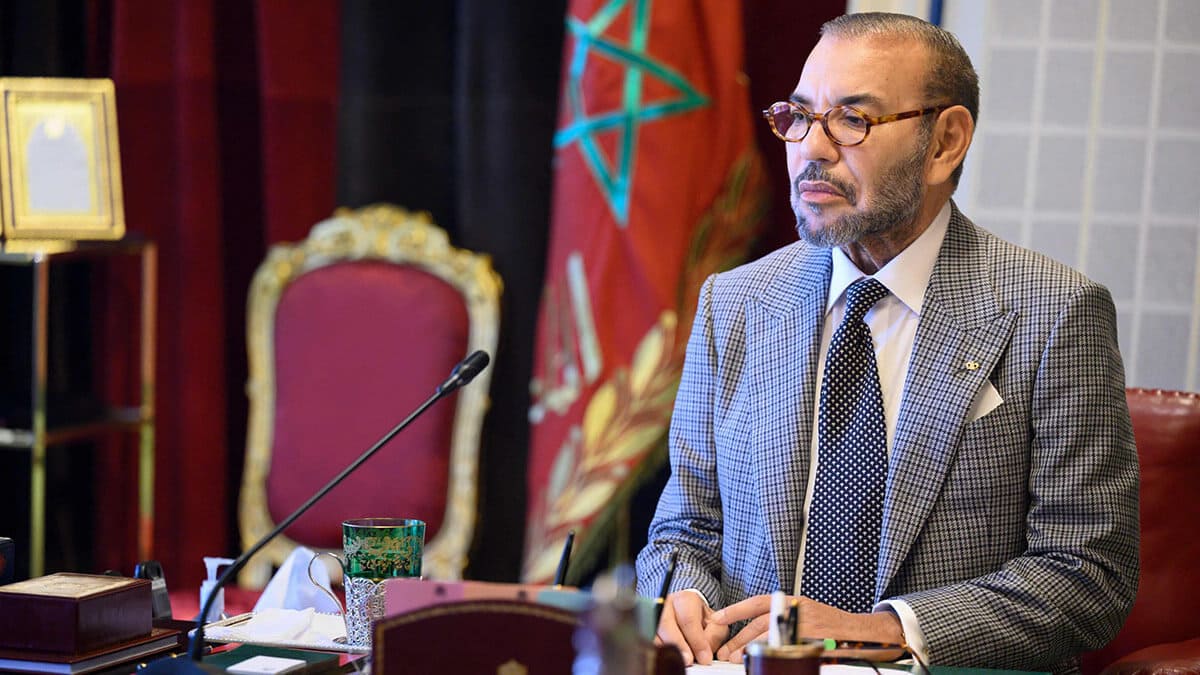
The movements driven by the Royal Vision toward the West African region, and specifically toward the complex maritime and geopolitical space of the Gulf of Guinea, reveal the emergence of a new sovereign geopolitics that transcends classical approaches based solely on border security and the recognition of territorial integrity.
Morocco’s Strategic Transition Toward the Atlantic: A New Geopolitical Paradigm
Rabat has managed to shift its strategic weight from the quadrant of defense and consolidation of achievements to the quadrant of offensive initiative, the construction of new international realities, and the creation of a fait accompli.
Consequently, within the Moroccan strategic perspective, the Gulf of Guinea has been transformed into a vital and organic extension of the Moroccan Atlantic and into a security and logistical artery directly interconnected with Rabat’s defense lines and vital interests. This requires policymakers in Rabat to articulate a comprehensive approach capable of structuring an integrated Atlantic pole linking the destiny of Moroccan stability with the collective security and sustainable development of the nations in this turbulent gulf.
In relation to this accelerated dynamic, Moroccan strategic expansion coincides with a historic and highly critical turning point in the Gulf of Guinea and West Africa. This space is characterized by deep geopolitical vacuums stemming from the rapid withdrawal of traditional Western influence and the rise of new hybrid conflict modalities, combined with intense international competition among global powers seeking to establish firm positions along this strategic maritime facade.
This complex scenario, conditioned by the threats of maritime piracy, transnational organized crime, and the ramifications of instability originating from the Sahel’s interior, challenges the Moroccan approach to practically implement its macro-projects. This is to be achieved through an effective transition toward protecting achievements and building solid infrastructures, led by the executive plans of the historic Morocco-Nigeria Gas Pipeline megaproject and the logistical operability of the Dakhla Atlantic port.
From this perspective, Morocco seeks to articulate a new generation of economic and security alliances under a win-win logic, aiming to safeguard massive Moroccan sovereign investments in the region and configure an integrated architecture of security and development led by Rabat. This architecture is designed to transform the African Atlantic from a hotbed of crises and foreign interventions into a unified and influential geopolitical pole in the new international order.
The Atlantic Initiative and the Gulf of Guinea: Synergies Against Global Challenges
The Atlantic Initiative, promoted under the Royal Vision of King Mohammed VI, represents a profound architectural shift in the structure of regional and international cooperation and a comprehensive geopolitical approach to connect Sahelian states with the Atlantic space, aiming to generate a stable and prosperous economic zone.
Within this framework, the Gulf of Guinea constitutes a vital global commercial artery stretching along a vast coastline of 6,000 kilometers from Senegal to Angola, home to 20 coastal states, through whose critical maritime routes approximately 25% of all maritime trade destined for the entire African continent passes.
This vast strategic maritime space faces complex security challenges that threaten regional and international stability and hinder the flow of global maritime trade. Yet, the region holds massive energy and food resources, including huge oil reserves representing around 10% of global crude production, in addition to being extremely rich in fishing grounds upon which the food security of millions of African families depends. This makes the protection of these capacities and the preservation of waterway security a paramount strategic interest where Morocco’s pioneering vision converges with partners’ efforts to secure the South Atlantic.
Regional Integration Infrastructures: From Dakhla Atlantic Port to the Morocco-Nigeria Gas Pipeline
Based on the above, Morocco’s Atlantic doctrine toward the Gulf of Guinea is materialized through executive instruments and bold initiatives on the ground. Here, Mohammed VI, leader of common African action, heads a solid structural revolution based on transcontinental strategic projects aimed at reconfiguring the map of geoeconomic interests in West Africa.
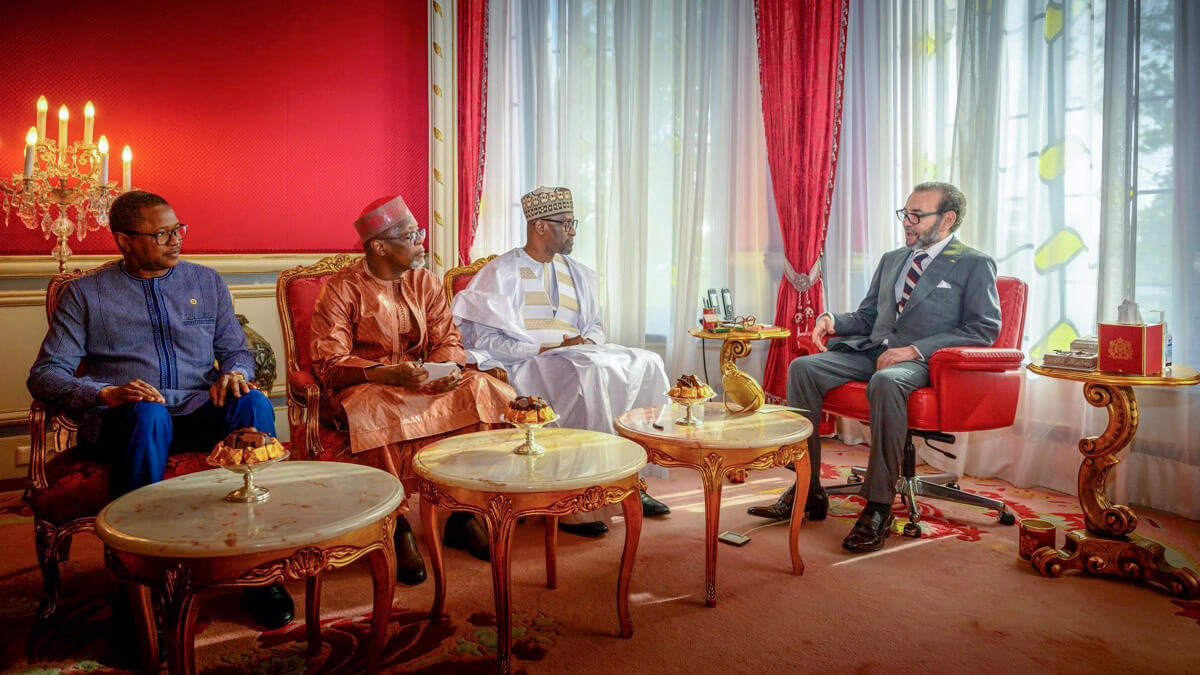
The Royal Initiative to facilitate the access of Sahel countries to the Atlantic Ocean stands as the cornerstone of this new regional architecture, having been transformed, thanks to the foresight of the Royal Vision, into a Moroccan sovereign commitment designed to break the geographical and economic isolation of sister Sahelian nations (Mali, Burkina Faso, Niger, and Chad) by placing Morocco’s logistical, port, and transport infrastructures at their disposal.
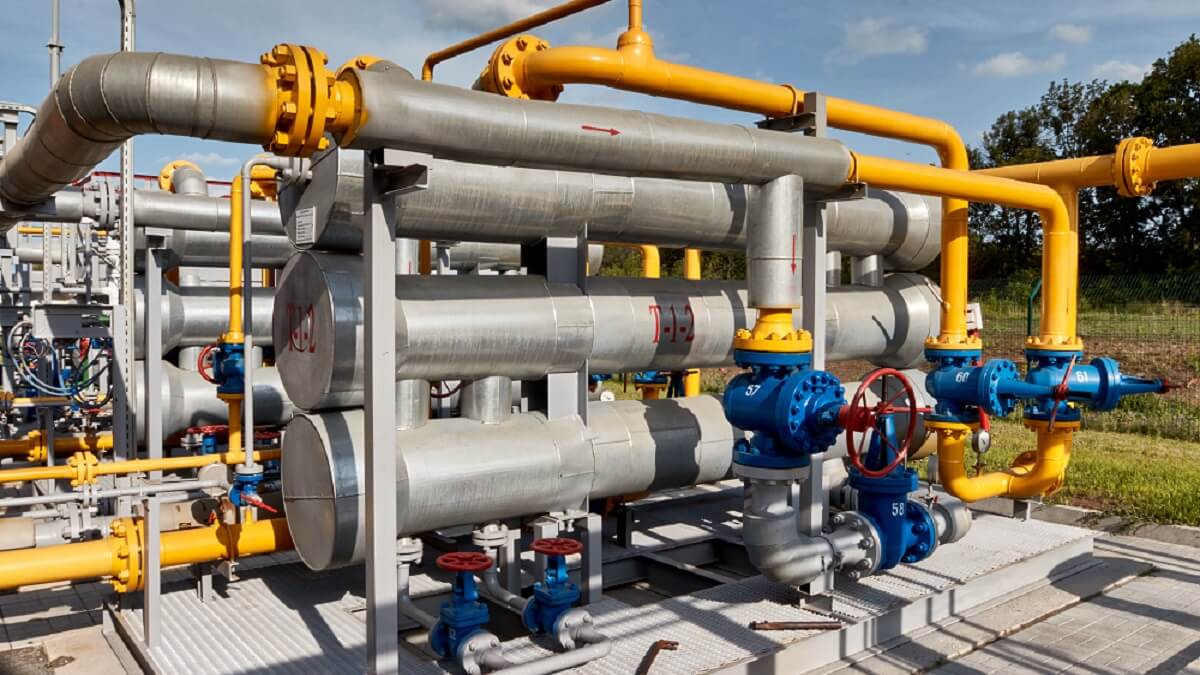
This humanitarian and development dimension is complemented by the historic Morocco-Nigeria Gas Pipeline project, which represents a true sovereign artery for energy production and the achievement of comprehensive regional security, connecting the countries of the Gulf of Guinea with the European space through the Moroccan platform. It groups more than thirteen African states into a network of shared interests that provides Rabat with a high capacity to articulate balances and consolidate stability in an integrated Atlantic basin protected against economic and political turbulence.
In extension of these structuring projects, the growing logistical operability of the Dakhla Atlantic port constitutes the most obvious on-the-ground translation of the success of the Sahel countries’ access initiative and interconnection with the Gulf of Guinea. This giant port represents the advanced logistical platform and the axis of the Atlantic architecture oriented toward the African space, transcending the narrow scope of local investment.
The transformation of Dakhla into a global maritime gateway open to the Gulf of Guinea and the Sahel provides the country with an unprecedented strategic advantage to control supply chains and offer safe, advanced commercial shipping alternatives. This setup is capable of connecting the economies of landlocked and coastal states with major international markets and securing industrial investments within them.
Armed with this arsenal of solid infrastructures, combined with the solidary vision of the Royal Initiative, Morocco successfully shifts its economic weight into the heart of the Gulf of Guinea, transforming the Moroccan state’s development leadership into a geopolitical shield that protects Moroccan sovereign investments and imposes a new Atlantic reality where Rabat consolidates itself as a key actor and architect of inevitable transformations in African energy, security, and trade equations.
Rabat’s Diplomatic Balance Amid Global Power Competition
Faced with this development momentum, the Gulf of Guinea space, rich in massive petroleum resources and promising maritime logistical opportunities, is transformed into an open stage for international dispute and intense geopolitical competition where the strategies and interests of major powers clash as they aspire to consolidate their influence on this vital Atlantic facade.
While the US ally attempts to reinforce its security presence and structure flexible military alliances to contain China’s massive commercial and infrastructural expansion, which links the region’s ports with the Belt and Road Initiative, Russia seeks to consolidate its military presence by penetrating the strategic flank of Sahelian countries to gain direct access to the warm waters of the Atlantic Ocean. This occurs at a time when traditional French influence is rapidly receding, leaving behind dangerous geopolitical vacuums and successive political crises within the structure of the region’s governing regimes.
Amid this acute international polarization and growing external pressures, Moroccan diplomacy rejects taking sides with these conflicting blocs and emerges as a rational balancing force. It brings a comprehensive and independent political approach that bypasses the logic of traditional alliances to offer a purely African alternative based on the concepts of national sovereignty and sustainable co-development under the win-win principle, making it a guarantee of stability that protects West Africa’s Atlantic space from sliding into proxy wars and exclusionary regional agendas.
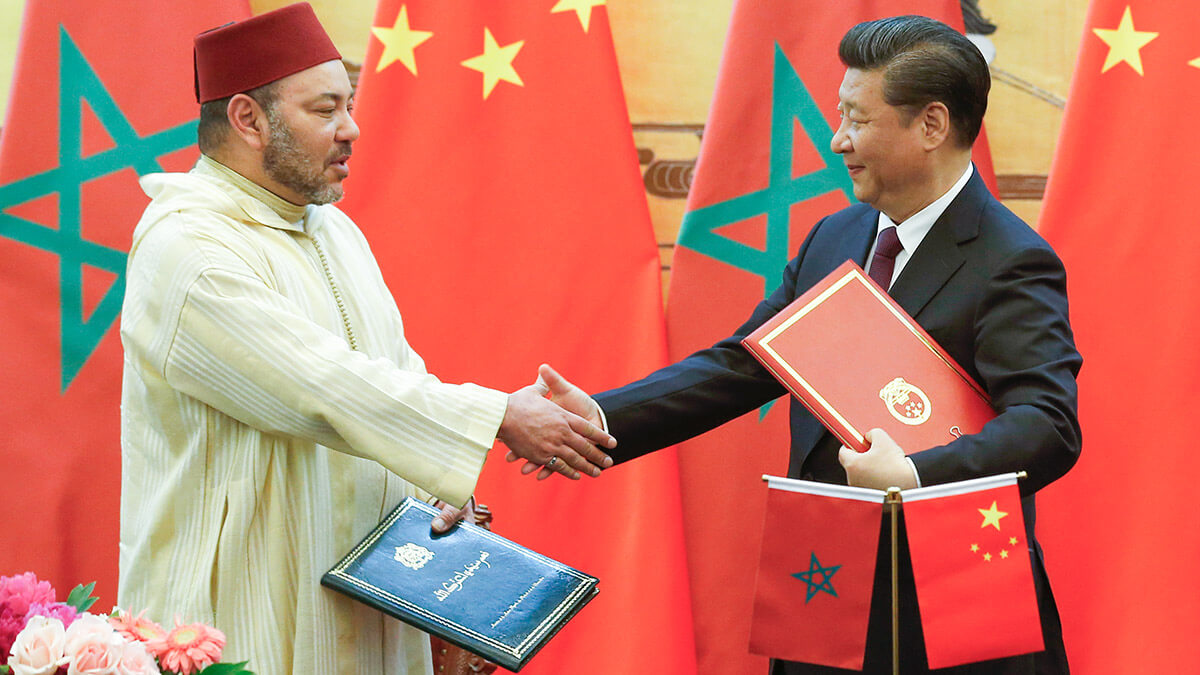
Under these complex geopolitical premises, Morocco’s strategic sharpness, sustained by the Royal Vision, is manifested in its ability to transform its privileged geographical position, its historical spiritual influence, and its growing economic weight into the broadest meeting and integration point for competing international initiatives in the region.
Moroccan strategic thinking, through the launch of the Royal Atlantic Initiative and the placing of its infrastructure at the service of the continent, has not sought confrontation with existing international projects but has assimilated them through a skillful political vision, directing them toward tangible integration pathways framed within the Rabat Process of African Atlantic States.
This process has established an unprecedented institutional framework that brings together coastal countries bordering the ocean to unify their voice and coordinate their common economic and security positions, positioning Morocco as the reliable strategic partner and the inescapable logistical and political platform that no international power can ignore for safe and effective access to West West African markets and the Gulf of Guinea basin.
As a result of this intelligent positioning, Moroccan policy in Africa is consolidated as a strong diplomatic bridge and a legitimate gateway linking international investments with African reality. This contributes to transforming the Gulf of Guinea, within the Moroccan geopolitical perspective, from a scenario of crises and negative foreign interventions into an open and secure space for multilateral development led by the country with a clear sovereign vision that serves continental stability and supports the prosperity of the region’s peoples.

Development Diplomacy and Demographic Dividend: Toward a New Era for Africa
In line with this leadership position, formulating a rigorous strategic reading of Morocco’s new positioning on the African stage requires delving into the structural transformations experienced by the political and economic doctrine of the Gulf of Guinea states and the Sahel space. These states have designed updated future agendas that transcend traditional dependency patterns to seek real sovereign alternatives based on a shared regional vision and unity of destiny.
Moroccan diplomacy supports the consolidation of these ties through soft and hard mechanisms simultaneously, led by Morocco’s dense financial and investment presence through its main banking institutions in West Africa. These banks constitute the hub of trade financing, the driver of regional financial inclusion, and a fundamental stimulus for the local business fabric.
This solid financial aspect is complemented by the deep impact of fertilizer diplomacy led by the OCP Group to guarantee sustainable food security in the nations of the Gulf of Guinea and the Sahel, transforming Moroccan phosphate into an instrument of transboundary stability that supports the African farmer and secures the requirements of agricultural and industrial transformation in the region’s capitals.
This approach fully coincides with the new political vision articulated by the states of the Confederation of Sahel States (Mali, Burkina Faso, and Niger) in their active search for alternative logistical outlets that break their geographical isolation and protect their national sovereignty against geopolitical blackmail and regional sanctions. This turns the Royal Initiative for the opening of the Atlantic facade into a strategic lifeline and a solidary platform that integrates these landlocked states into the global economic cycle with a genuinely African spirit.
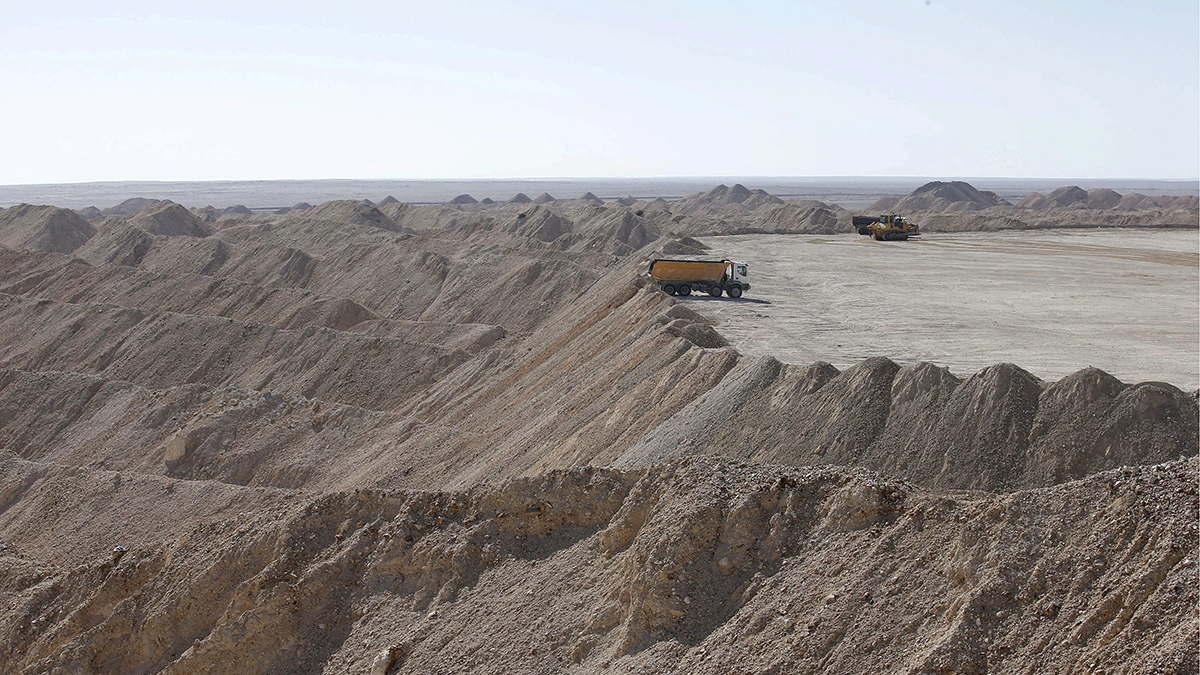
This necessarily drives collective security coordination to deter maritime risks threatening supply chains, where coordination to strengthen shared maritime security capacities along the coast of West Africa and the Gulf of Guinea emerges as a fundamental link to protect strategic navigation routes, secure port facilities, and guarantee the safe flow of vital energy supplies.
Based on these structural foundations, Moroccan diplomacy opens a window to a promising geoeconomic future for the region, backed by a massive demographic boom that will turn the African Atlantic space and the Gulf of Guinea into the largest human reserve and the largest emerging consumer market in the world in the coming decades.
Numerical projections confirm that the total population of this vital region, which includes Nigeria as a demographic giant alongside emerging powers like Côte d’Ivoire and Ghana in addition to the Sahel states, is advancing at a rapid pace to surpass the barrier of 500 million inhabitants in the short term, with prospects of reaching 1 billion people by the middle of this century, constituting a human mass composed mostly of ambitious youth and active labor.
From this perspective, Moroccan strategic thinking assumes that safeguarding the sovereign interests of the state requires intelligent positioning within this enormous consumer market, where Rabat’s projects are not limited to opening temporary supply lines but shape vital arteries to secure the subsistence and growth needs of these millions of people.
The historic pipeline helps supply energy to emerging industries, fertilizer diplomacy ensures sustainable food security, while the financial and investment presence of Moroccan banking acts as a financial lever to integrate these massive human capacities into the global economic cycle. This guarantees the transformation of West Africa’s demographic weight from a source of social tensions and security disorders into a formidable economic driving force guided by the foresight of the Royal Vision to build a prosperous African era.
As a summary of this integrated vision, Moroccan diplomacy converges, starting from this conceptual cohesion, with the collective African aspiration toward development emancipation, putting its logistical weight and solid infrastructure—represented by the Dakhla Atlantic port and the Tiznit-Dakhla expressway—at the service of these converging visions.
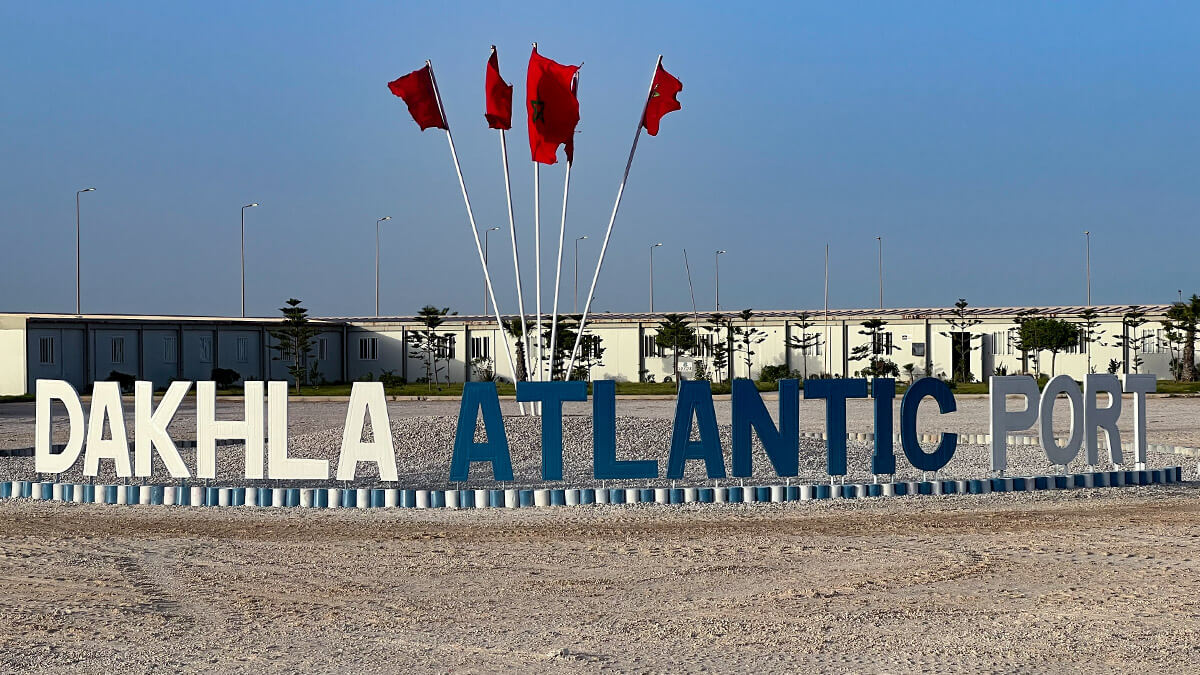
This fosters territorial complementarity with the colossal and unprecedented port development being executed in West Africa and the Gulf of Guinea to modernize supply chains and accommodate new-generation vessels. This is driven by massive multi-billion dollar investments such as the Simandou-Moribayah deepwater port project in Guinea-Conakry destined for iron ore export, the Lekki deepwater port in Lagos (Nigeria), as well as structural expansions of the Abidjan port and the San Pedro port in Côte d’Ivoire, the strategic Ndayane port project in Senegal, the Tema port in Ghana, and the comprehensive modernization of the Lomé port in Togo to receive the world’s largest container ships.
These emerging maritime hubs do not present themselves, in the Moroccan geopolitical perspective, as competitors halting Morocco’s aspirations, but as necessary logistical links in an integrated Atlantic shipping route connecting the north of the continent with its west and its landlocked interior.
This convergence extends to strengthening the pillars of intangible security through the African digital security network and protecting cyber sovereignty of data, as well as trans-Saharan clean energy projects, helping Sahel countries process their natural resources like gold and cotton locally, generating real employment that protects youth against terrorist recruitment and organized crime networks.
In this way, Rabat’s pioneering role emerges as a cohesive and harmonizing factor grouping the aspirations of capitals in the region—from Dakar, Abuja, and Abidjan to Bamako, Ouagadougou, and Niamey—within a unified Atlantic vision that redefines international power balances and heralds the birth of a new African era, whose chapters are written by Rabat, driven by a farsighted Royal Vision.
Credit: Source link