

Mali Cites Internal Betrayal as Rebels Seize Strategic Northern Base
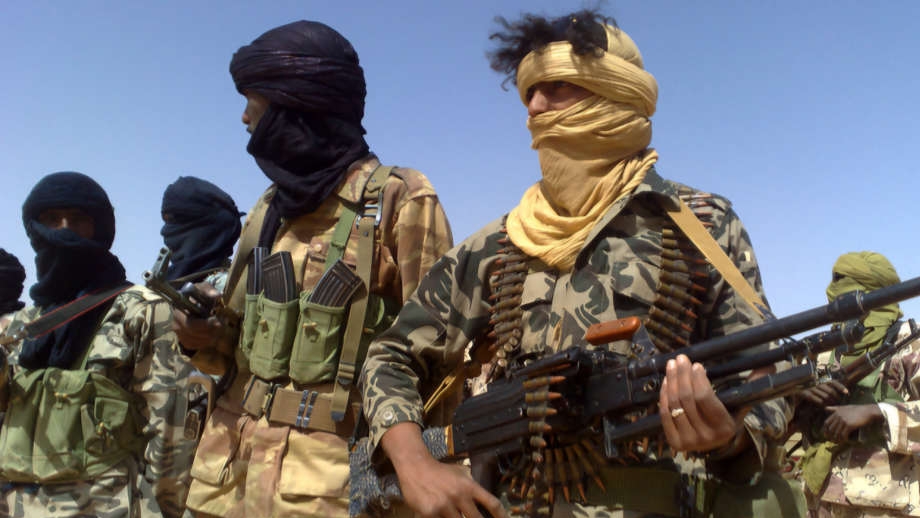
The Malian military transition is facing its most severe crisis in a decade as the government accused high-ranking officers of treasonous collusion with insurgents, shortly after separatist rebels seized the strategic northern military base of Tessalit.
In a late-night broadcast on state television Friday, the Prosecutor of the Bamako Military Court revealed that investigations have uncovered “strong evidence” linking active-duty and recently dismissed officers to the planning and coordination of recent attacks. The statement also implicated high-profile political figures, including exiled politician Oumar Mariko, in a widening web of alleged conspiracy that has reached the heart of the state.
Collapse in the North
The accusations follow a major tactical defeat in the north. Rebels from the Permanent Strategic Framework (CSP/Azawad)—working in coordination with the Al-Qaeda-linked JNIM—announced they had taken control of the Tessalit camp on Friday. The base, located near the Algerian border, is a vital strategic asset due to its large airstrip and geographic position.
According to security sources, Malian forces and their Russian allies from the Africa Corps (formerly Wagner Group) evacuated the camp before the arrival of the rebel factions to avoid direct engagement. This withdrawal marks a significant setback for the ruling junta, coming just days after the fall of the regional stronghold of Kidal and the assassination of Defense Minister Sadio Camara. Further south, the army was also forced to abandon the smaller Aguelhok base, effectively ceding a massive corridor of territory to the insurgency.
Civilian and Humanitarian Toll
The military escalation has had a devastating impact on the civilian population. UNICEF issued an urgent statement Friday confirming that civilians, including children, have been killed and wounded in the crossfire.
The humanitarian agency reported that a health center in Gao was attacked, and militants have occupied a school in the Mopti region, where an unexploded improvised explosive device (IED) was discovered nearby. These incidents highlight the precarious situation for non-combatants as the conflict shifts into a more volatile and unpredictable phase.
A Regime Under Pressure
Despite Transitional President Assimi Goïta’s earlier claims that the situation was under control following the April 25 attacks, the loss of Tessalit and the revelations of internal sabotage suggest a deepening fracture within the Malian security apparatus.
The junta, which seized power on the promise of restoring security, now faces an unprecedented multi-front challenge: a coordinated offensive by once-rival jihadist and separatist groups, the erosion of its northern footprint, and a burgeoning “enemy within” that threatens to destabilize the central government from Bamako.
Credit: Source link