

Lohum Launches Lithium Mining in Zimbabwe, First Indian Company to Operate Globally, ETAuto
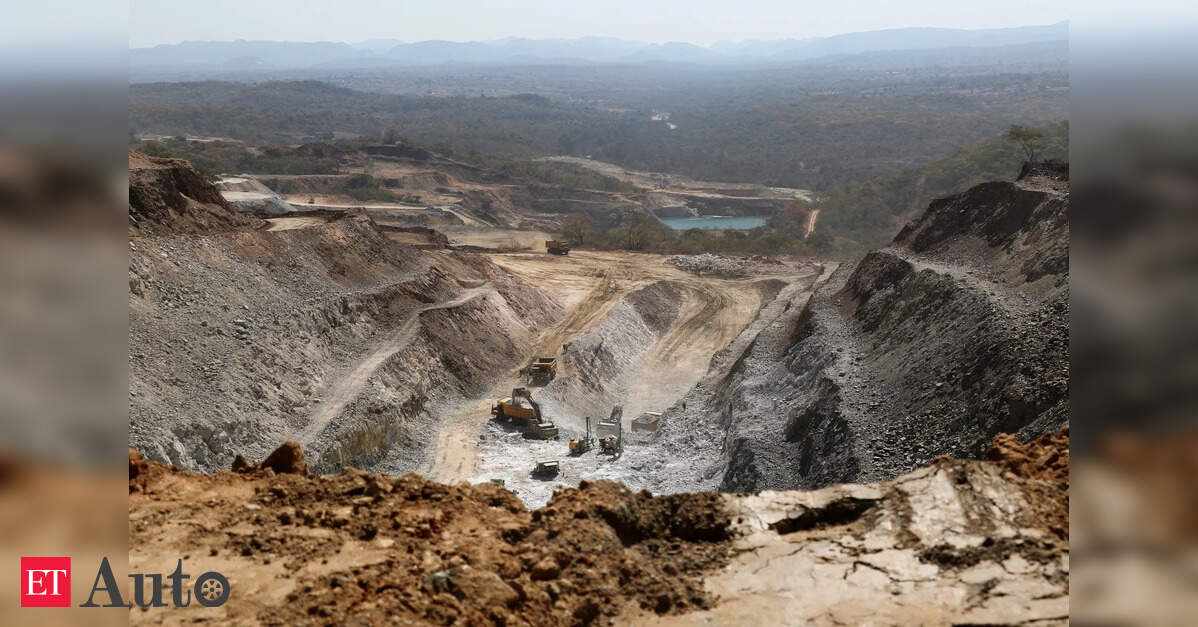
Lohum on Wednesday said it has dispatched the first tranche of lithium ore from its mining assets in Zimbabwe’s Matabeleland South Province, marking the start of the Indian company’s lithium operations in the country.
According to the official press release, the dispatch is the first output from Lohum’s Zimbabwe operations and makes the company the first Indian company to start lithium operations globally, according to the company.
“India has built real strength in materials, in vehicles, and in recycling. Securing lithium at the source adds the one link we did not yet hold,” said Rajat Verma, Founder and CEO, Lohum.
Verma said that securing more parts of the lithium supply chain could help lower costs for consumers.
The move extends Lohum’s critical materials business upstream into primary lithium supply, adding mining to its existing refining, advanced materials manufacturing and recycling operations.
Lohum has secured rights to 10 spodumene-bearing lithium mining blocks in Matabeleland South Province, covering around 1,100 hectares. The assets are estimated to contain 30 million to 40 million tonnes of spodumene ore with lithium oxide grades of 1-3 per cent.
The initial assets are expected to support the production of around 300,000 metric tonnes of lithium carbonate equivalent over their lifetime, the company said.
Lohum also has an option to acquire up to 90 adjacent mining blocks, providing potential for a significant expansion of its primary spodumene resource base in the region.
The move comes as India looks to reduce its dependence on imported battery materials and build a more secure supply chain for electric vehicles and energy storage.
Focus on battery costs
Lohum said lithium supply costs remain a critical part of the economics of battery manufacturing and electric vehicles. The company aims to reduce supply-chain costs through greater integration, shorter shipping distances and lower dependence on volatile international pricing.
“We are approaching Zimbabwe as a long-term partner, building processing capability locally rather than shipping ore out, so that value creation, and the cost benefit that follows, is shared rather than exported,” Verma added.
The development also aligns with the government’s broader push to secure critical minerals through overseas assets under the National Critical Mineral Mission.

Credit: Source link