

Life on the ground in earthquake-hit Colombia
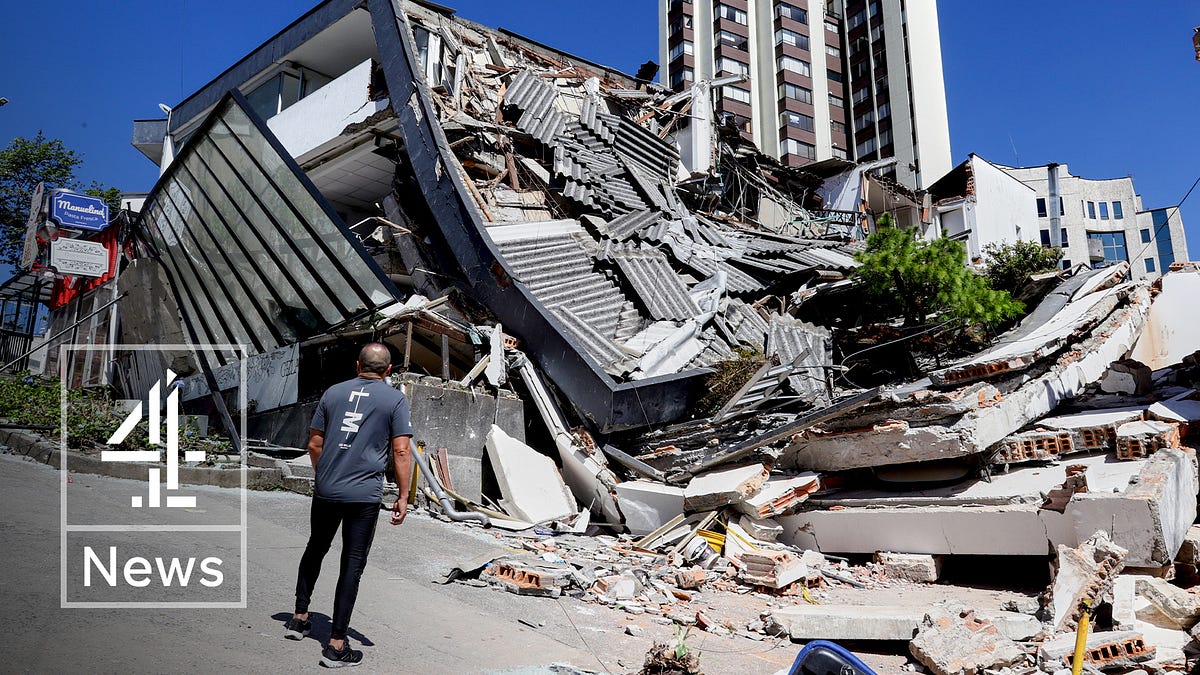
By Guillermo Galdos
For almost 20 years, I have lived in Peru, one of the most seismically active countries in the world.
Living in a seismic zone means living with permanent uncertainty: not knowing when the next earthquake will come, but knowing that one day it will.
My career as a journalist has taken me to the aftermath of earthquakes from Chile to Mexico, and through Peru, Colombia and Haiti. I have seen the destruction, the desperation and the extraordinary resilience that follows a major earthquake.
So when my phone rang and I saw the first images coming out of Colombia, I knew immediately that this was serious.
You’re reading the latest edition of FourGround, a bespoke newsletter brought to you by Channel 4 News’ experienced journalists reporting on the ground from locations across the world.

I got on a plane and headed for the Coffee Region, towards the heart of the disaster.
After almost half a day of travelling and several hours on the road, we reached the city of Pereira in the early hours of the morning. There was still dust hanging in the air from buildings that had collapsed.
The centre of the city was sealed off. The streets were covered with chunks of grey concrete and shattered glass. There was almost nobody outside. The authorities had imposed a curfew amid fears of looting.
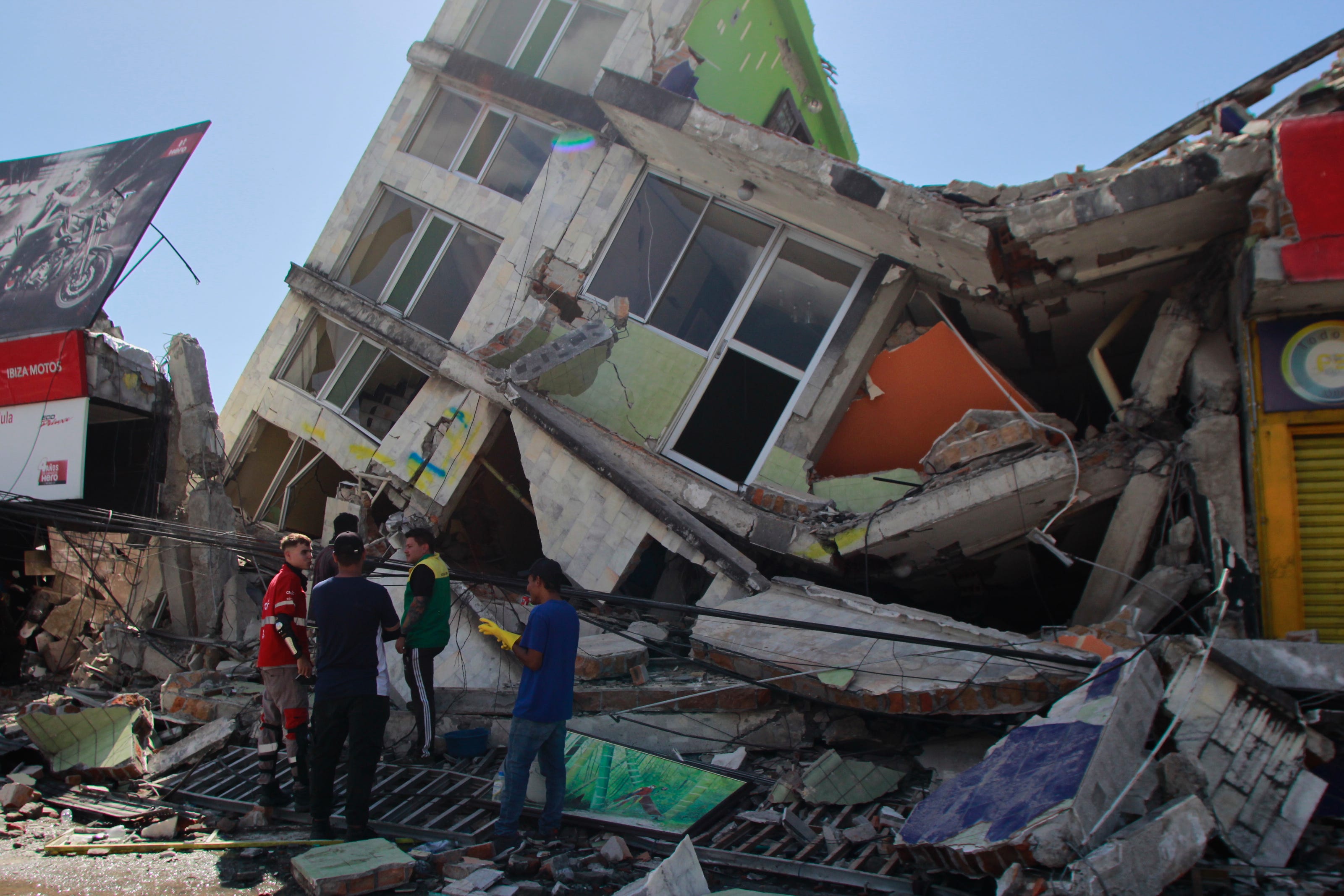
There were only a few police officers and soldiers on the streets.
We went straight to the neighbourhood of Lorena 3, where a private apartment complex had collapsed.
Behind a locked metal fence, the buildings had been reduced to piles of concrete and twisted metal. On the other side of the fence, families waited desperately for news of their relatives.
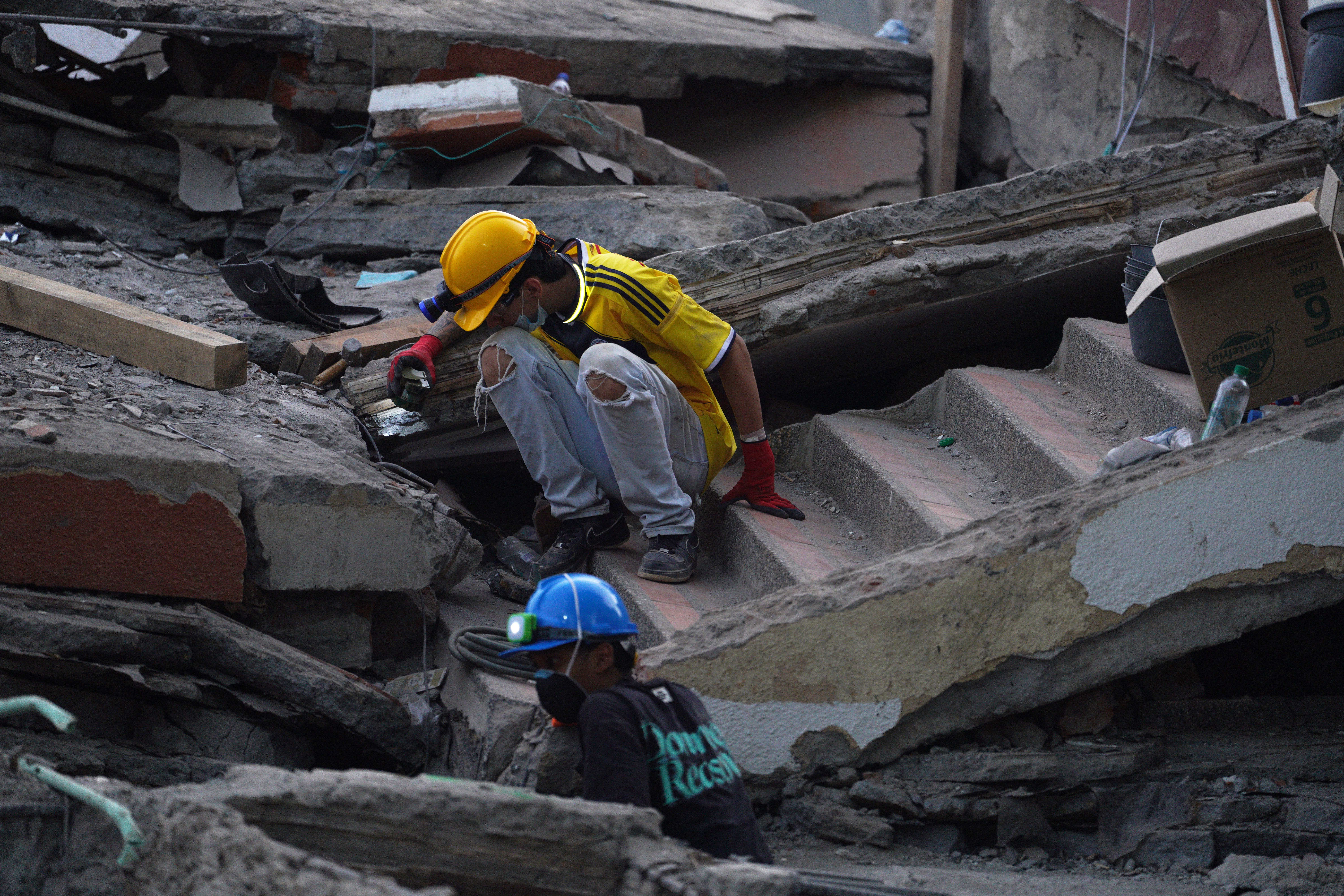
There were ordinary people pulling at the rubble with their bare hands – moving stones, lifting beams, digging through concrete – racing against the clock to find the people they loved.
That is the cruel reality of an earthquake. The first hours are everything.
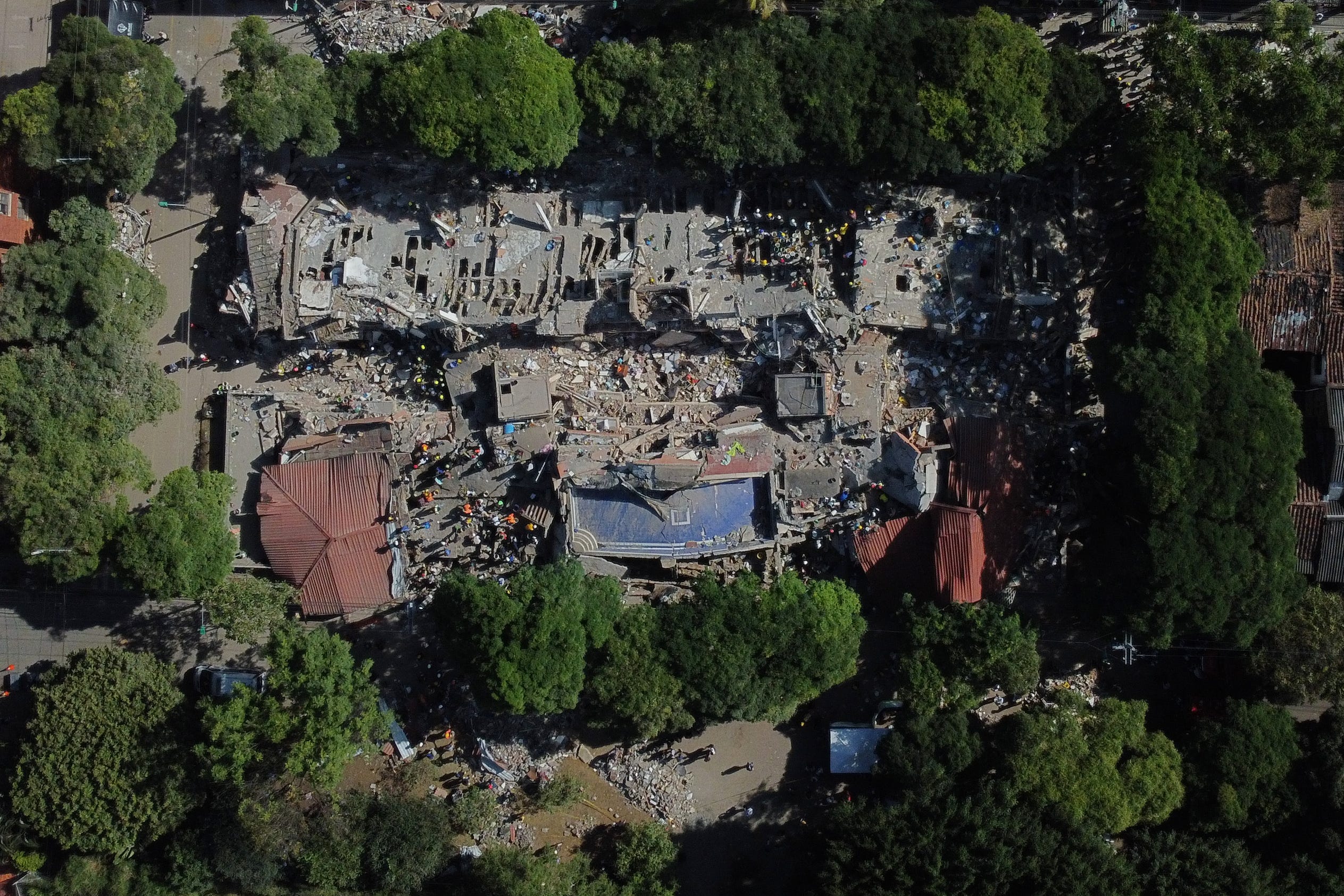
Today, Colombia is facing a disaster where the human cost is already enormous. More than 200 people have died, thousands have been injured and thousands more remain missing as rescue teams continue searching through collapsed buildings.

And this disaster comes only days after Colombia’s new President, Abelardo de la Espriella, took office, promising a tough response to the country’s criminal gangs.
Now his government faces a very different kind of challenge.
The earthquake will cost Colombia billions and could set back some of the poorest communities in the affected regions for years. Many of those communities are among the people who may not have voted for the new President, pictured below.
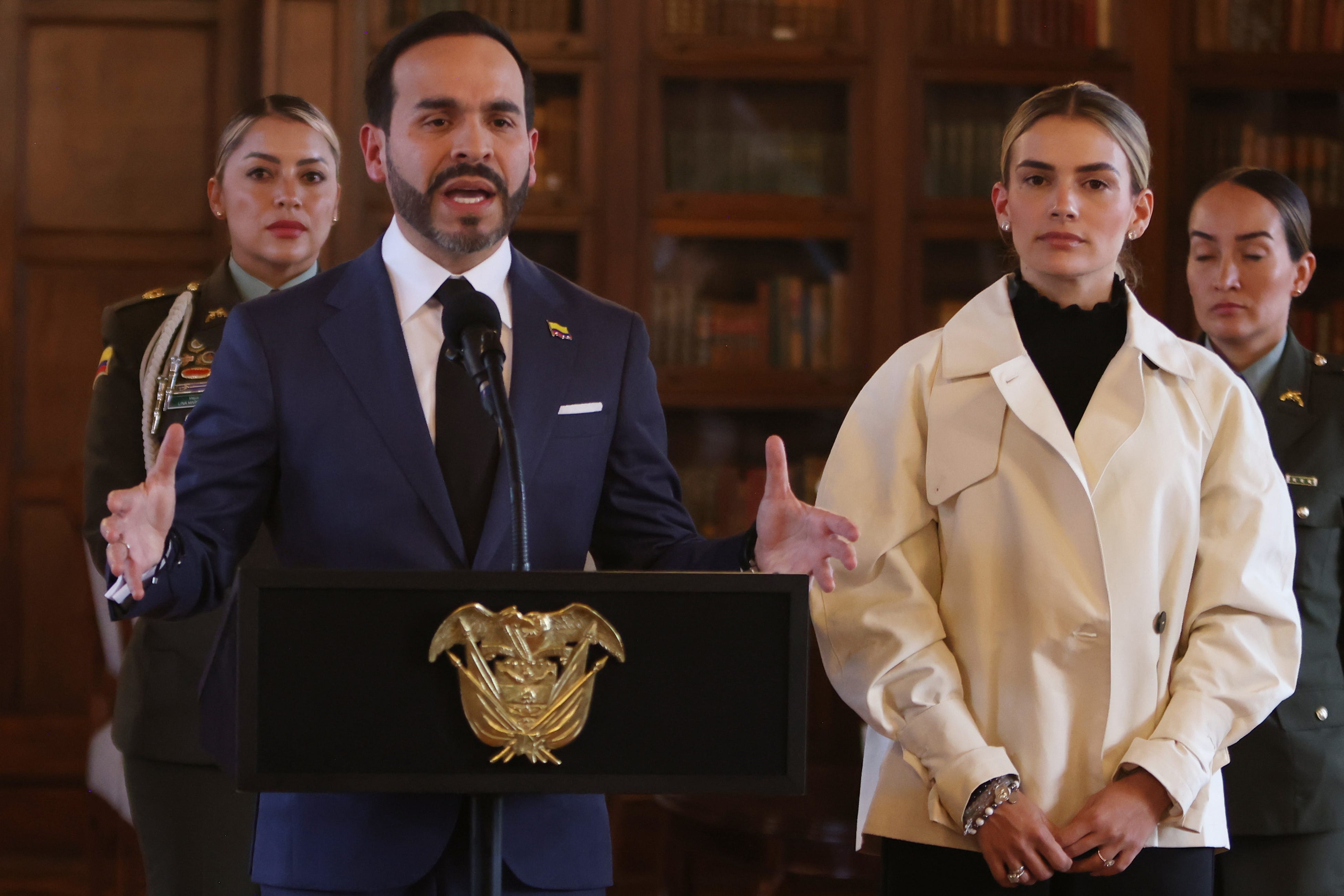
That makes the response even more important.
The government’s greatest challenge now is not simply to clear the rubble or rebuild the buildings.
It is to convince people who may not have voted for Abelardo de la Espriella that, in their moment of greatest need, their government will stand with them.