

Libya: Challenges facing the upcoming elections
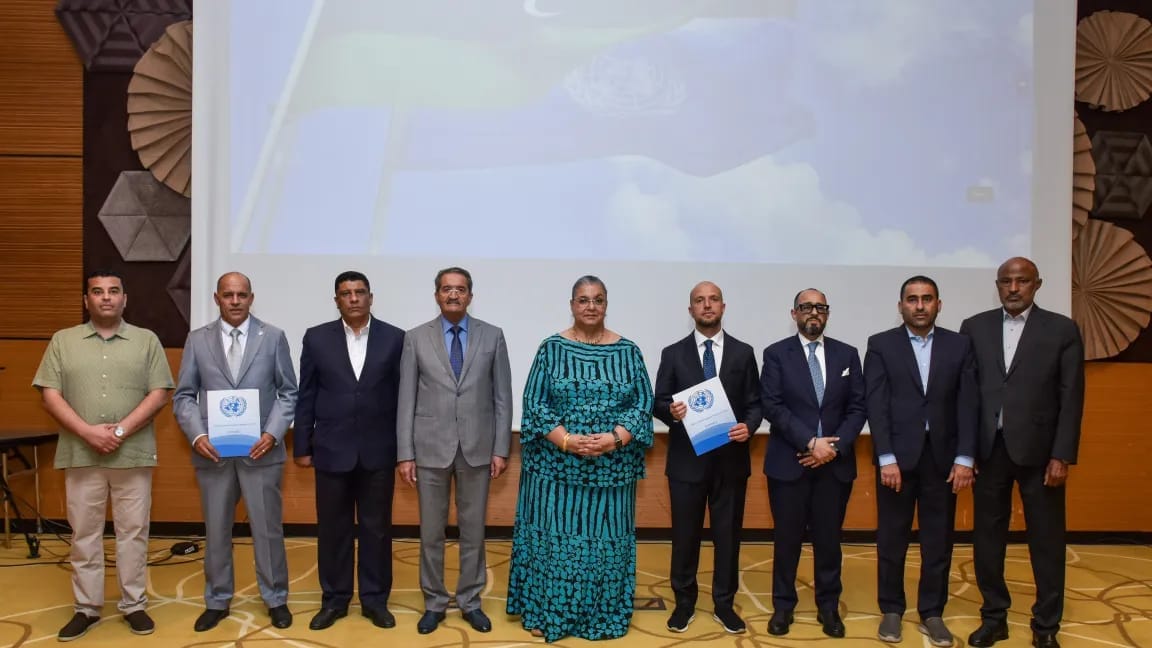
Tripoli, Libya – After years of stalled Libyan elections, the “4+4” process is nearing a resolution to the two major obstacles: the electoral laws and the High National Elections Commission. However, the toughest test may begin the moment the results are announced. Libya has never been incapable of drafting agreements; the problem has always been the day after they are signed. On August 20, members of the “4+4” mini-meeting initialed a draft agreement aimed at restructuring the High National Elections Commission and amending the legal framework for elections, according to the United Nations Support Mission in Libya (UNSMIL). But from the outset, the agreement faced questions about its drafting process and its inclusiveness of all Libyan factions, with reservations expressed by political figures and institutions regarding the meeting’s outcomes and the mechanism for their adoption.
The problem is not the ballot box.
Holding elections requires more than just setting a date; it necessitates an electoral law, a legitimate and independent commission, an executive authority capable of implementing decisions, a suitable security environment, and a clear mechanism for resolving disputes and accepting results. This is why the UN roadmap treats elections as part of a broader process that includes unifying institutions and addressing political and security differences.
What if the loser rejects the result?
Herein lies the most dangerous aspect. Imagine that the elections have already taken place, the electoral commission has announced the results, and then one of the parties rejects the outcome. Who resolves the dispute? And if the losing party refuses the decision of the competent authority, who has the power to compel them? Elections succeed when the losing party accepts the result, not merely when the ballot boxes are opened. This is one of the key lessons from the previous Libyan experience, which witnessed the failure of the presidential and parliamentary elections scheduled for December 2021.
The Commission… its first test
Reconstituting the High National Elections Commission is one of the most important points of the “4+4” agreement. The commission not only manages election day but also oversees the entire electoral process, including its various stages and the announcement of results, in accordance with the law. Therefore, any dispute over the legitimacy of the commission could quickly escalate into a dispute over the legitimacy of the elections themselves.
“4+4” is not all of Libya
The smaller meeting is part of a broader UN roadmap, not a replacement for other institutions and political forces. The structured dialogue sponsored by the UN mission has produced hundreds of recommendations concerning elections, institutional unification, the economy, security, and reconciliation. Therefore, the question remains: can a limited negotiated agreement evolve into a binding national consensus?
The real test: the next day
The success of the “4+4” agreement can be measured by five questions: Is the legal framework adopted? Is the composition of the electoral commission acceptable? Is there an authority capable of implementing the election results? Is there an independent and binding mechanism for resolving appeals? And, most importantly, will the losing party accept the outcome? If the answer is yes, then the agreement could be a genuine step toward ending the transitional phase. However, if the parties agree to hold elections without agreeing on the rules for the day after, the crisis could shift from a conflict over the elections themselves to a conflict over the results.
The most important question in Libya is no longer: When will the elections be held? Rather, it is: What will happen after they are over? Libya needs not only an agreement to organize the election day, but also an agreement that guarantees the outcome of the ballot box will prevail over the objections of the loser. This will be the true test for the “4+4” committee: Will it orchestrate elections that end the crisis, or elections that usher in a new chapter of it?
Credit: Source link