

Kim Jong Un Praises North Korean Troops Fighting for Russia
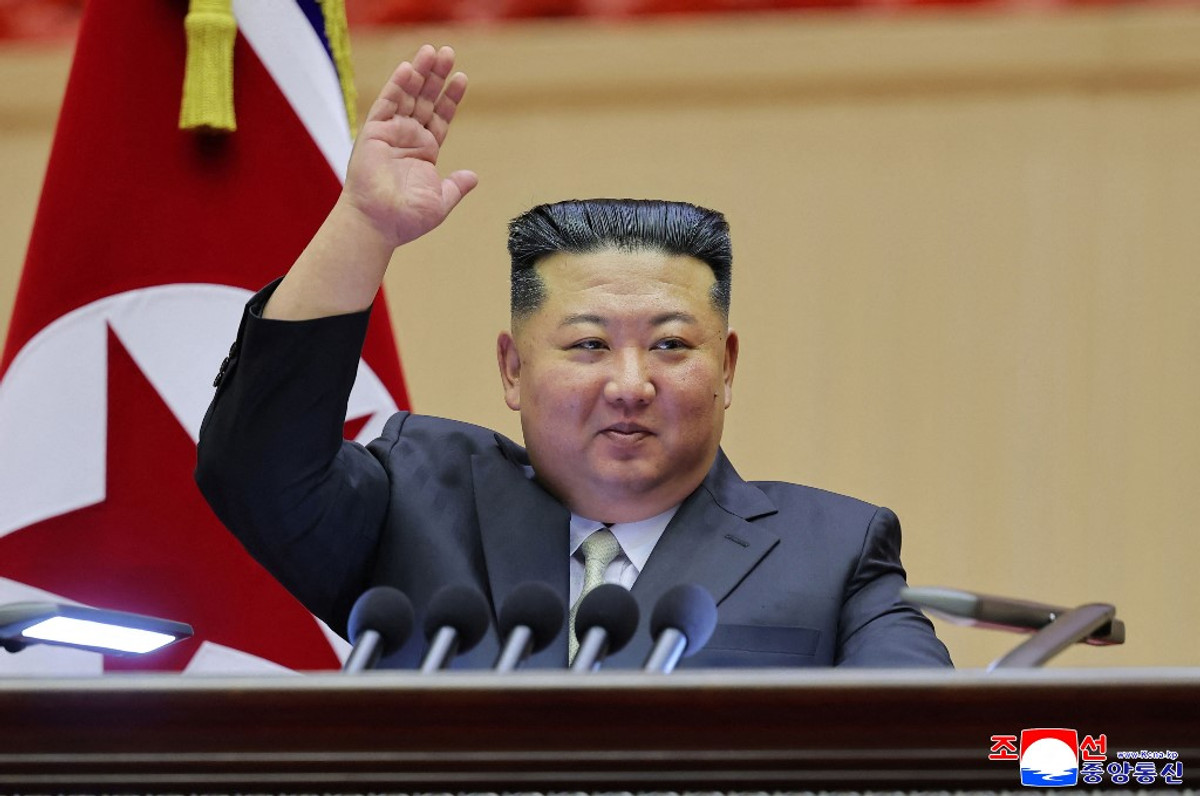
North Korean leader Kim Jong Un used one of the country’s most important national celebrations to publicly praise troops serving abroad, further bringing Pyongyang’s direct participation in Russia’s war against Ukraine into North Korea’s official narrative.
Speaking at an assembly hall in Pyongyang on Wednesday, Sept. 9, during celebrations marking the 78th anniversary of North Korea’s founding, Kim thanked workers and soldiers for their service and expressed what state media KCNA described as “special gratitude and respect” to commanders and soldiers “participating in overseas military operations.”
JOIN US ON TELEGRAM
Follow our coverage of the war on the @Kyivpost_official.
Neither Kim nor KCNA explicitly named Russia or Ukraine. But the reference was widely understood to concern North Korean troops sent to fight alongside Russian forces.
The wording marks another step in Pyongyang’s increasingly public embrace of a military deployment that was initially concealed by both North Korea and Russia.
From secret deployment to state honor
North Korea has sent an estimated 14,000 to 15,000 troops to support Russian forces since late 2024, according to Western and South Korean officials.
South Korea’s National Intelligence Service estimated in February that around 6,000 North Korean soldiers had been killed or wounded. Seoul said in late August that Pyongyang was preparing for another possible troop deployment, although there were no indications that additional forces would be sent imminently.
Other Topics of Interest
CIA Director Ratcliffe Could Take Larger Role in Ukraine Peace Talks
The White House denied reports that it is considering changes to its negotiating team, saying Donald Trump continues to trust both envoys to help broker an end to Russia’s war against Ukraine.
Kim’s latest remarks are notable less for revealing North Korea’s involvement than for how openly it is now being presented to the domestic population.
Pyongyang has steadily transformed soldiers who fought alongside Russia from a secret expeditionary force into officially celebrated national heroes.
In April, Kim inaugurated a memorial museum in Pyongyang honoring North Korean troops killed while fighting with Russian forces in Russia’s Kursk region. The ceremony was attended by senior Russian officials, including Defense Minister Andrei Belousov.
Kim has also publicly praised the “overseas operations units” and portrayed their combat experience as proof of the strength and loyalty of the Korean People’s Army.
The founding-day address takes that process further by incorporating the overseas deployment into one of North Korea’s principal state celebrations.
North Korean shells sustain Russia’s war
Troops are only one part of Pyongyang’s contribution to Moscow’s war effort.
North Korea has become one of Russia’s largest foreign suppliers of artillery ammunition, ballistic missiles and heavy weapons.
Ukraine’s military intelligence previously told Kyiv Post that North Korea supplies an estimated 25% to 40% of Russia’s artillery ammunition needs and had delivered more than 100 KN-23 and KN-24 ballistic missiles and hundreds of artillery systems.
South Korean military assessments put North Korean ammunition shipments at more than 15 million artillery rounds by early 2026. Seoul also said Pyongyang continued supplying short-range ballistic missiles.
A Reuters investigation previously found that North Korean ammunition had become crucial to maintaining Russia’s rate of artillery fire, with North Korean shells at times accounting for most of the ammunition fired by some Russian units.
What Kim gets from Moscow
The relationship is not one-sided.
South Korean intelligence assessments say Russia has provided North Korea with economic assistance and military technology in return for troops and munitions.
Seoul has previously said Moscow supplied North Korea with anti-aircraft missiles and equipment to strengthen its air defenses, while also providing technological assistance connected to Pyongyang’s military satellite program.
An international sanctions-monitoring group reported that Russia had transferred at least one Pantsir mobile air-defense system and electronic warfare equipment to North Korea, part of a military exchange that Western governments say violates UN sanctions.
For Pyongyang, the Ukraine war has therefore provided not only battlefield experience but also access to Russian technology, economic support and closer political ties with Moscow.
An alliance becoming permanent
At April’s memorial ceremony, Russian Defense Minister Belousov said Moscow and Pyongyang were preparing a military cooperation plan covering 2027 to 2031. Analysts said the agreement pointed toward institutionalizing the partnership even after fighting in Ukraine eventually ends.
On Monday, Sept. 7, the two countries opened their first road bridge across their shared border, adding a new transport route to existing rail and air connections as economic and military cooperation expands.
Two days later, Russian President Vladimir Putin used his message marking North Korea’s founding anniversary to pledge continued work with Kim to deepen their comprehensive strategic partnership.