

JET calls for Jamaica’s beaches to be recognised as public commons
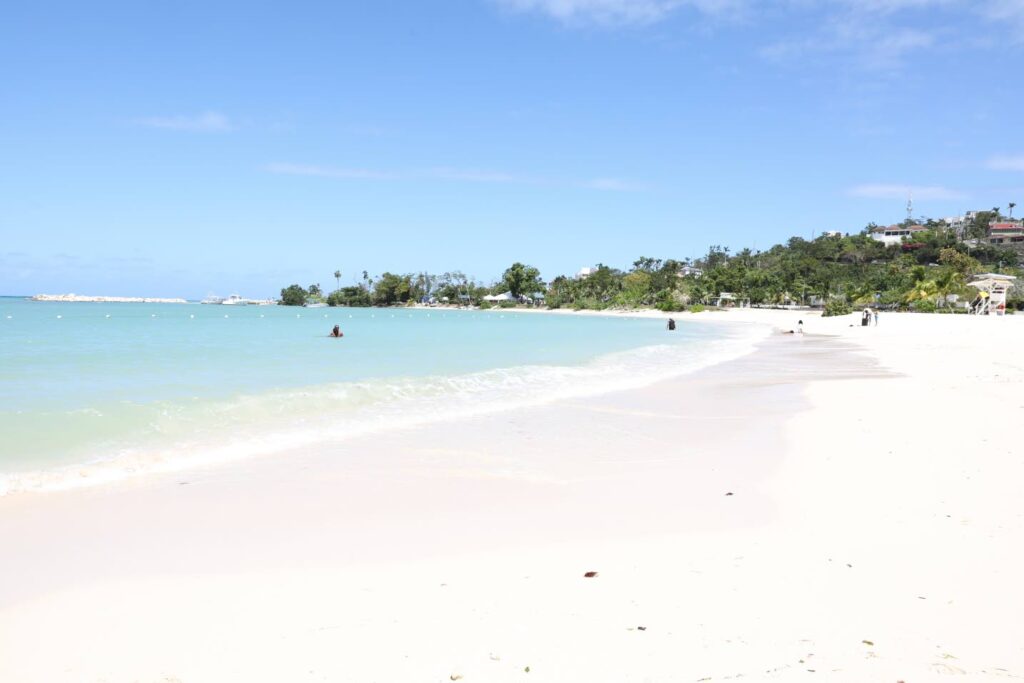
A section of Harmony Beach Park.
KINGSTON, Jamaica — The Jamaica Environment Trust (JET) is calling for Jamaica’s beaches to be legally recognised as a public commons and held in public trust, as debate continues over beach access and the Government’s Beach Access and Management Policy, issued in March 2026.
In a statement on Thursday, JET said the central issue should not simply be how many beaches are available to the public, but whether access to the country’s beaches should be treated as a public right rather than something dependent on land ownership, licensing arrangements or government discretion.
The environmental organisation said its review of the 2026 policy found that, while the document represents an important and long-awaited effort to address Jamaica’s beach access challenges, it does not go far enough to resolve the underlying issue.
According to JET, the policy’s vision and principles describe beach access as something to be “provided” or “maintained”, framing it primarily as a management objective rather than an established public right.
The policy proposes amendments to establish a “qualified right” of public access to the foreshore. However, JET argues that access would still be influenced by land ownership, licensing arrangements and discretionary mechanisms.
The organisation is particularly concerned about the policy’s definition of a “public beach”, which is based on government ownership. JET said this leaves a significant gap for beaches that are privately owned but have long functioned as traditional public bathing beaches or fishing beaches.
“As the debate continues, we should not lose sight of the fundamental issue by becoming caught up in debates over the figures of what percentage of beach is open to the public,” said Dr Theresa Rodriguez-Moodie, chief executive officer of JET. “The bigger question is whether our beaches are a public commons, or whether access depends on who owns the land or holds a licence.”
“A beach does not cease to be important to the public simply because the underlying land is privately owned. We need a legal framework that protects longstanding public and fishing access and ensures that people can actually reach the shore,” she continued.
JET has identified four areas it believes should be strengthened under the policy. These include establishing a clear and enforceable public right of access, including secure landward access to beaches; protecting traditional public bathing and fishing beaches, including those located on privately owned land; preventing fees, structures, development and licence conditions from creating barriers to access; and strengthening protection of natural beaches and coastal ecosystems through improved monitoring, enforcement and institutional arrangements.
The organisation stressed that beach access reform does not mean that every beach should be opened without regard to environmental protection, safety, property rights or legitimate commercial interests. Instead, JET is advocating for a framework that balances those interests while making public access the starting point, rather than a privilege that can be granted or withdrawn.
JET said the 2026 policy presents an opportunity to resolve a longstanding issue surrounding access to Jamaica’s coastline.
The organisation is urging the Government to move beyond its commitment to provide one public beach per parish and instead establish a rights-based framework that recognises Jamaica’s beaches as a shared national resource. JET said such a framework should protect public access and livelihoods while safeguarding coastal ecosystems and ensuring that the country’s beaches remain available to present and future generations.
On Wednesday, the Government listed 60 beaches across the island that it says provides free access to the public following claims circulating online that Jamaicans are being denied access to the country’s beaches, allegations Tourism Minister Edmund Bartlett says are damaging Jamaica’s reputation and costing the Government money to correct.