

Jamaica gardener grows dragon fruit at home, and one bite upends its bland reputation
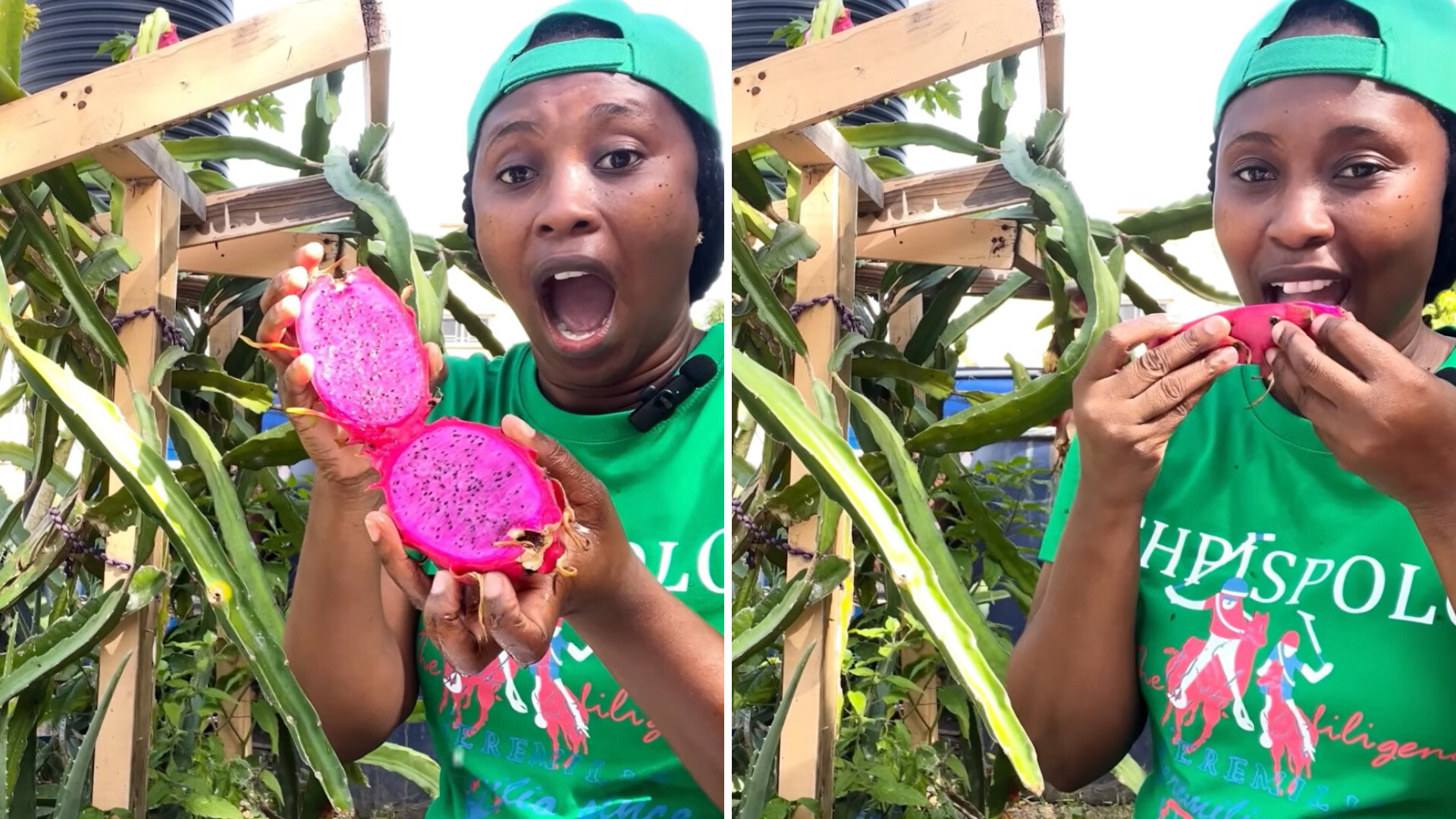
A gardener’s first home-grown dragon fruit is giving new life to a debate many fruit lovers know well: Is dragon fruit actually sweet?
After slicing into the brightly colored fruit on camera, the creator’s verdict made clear that the bland-fruit stereotype did not hold up.
Here’s what to know
In a YouTube video, Stacey (@gardeningwithstaceyJamaica) showed a dragon fruit grown at home and framed the taste test around a common complaint about the tropical fruit.
Before trying it, the creator said, “They say dragon fruit has no taste, but mine says otherwise.”
Home-grown produce can be picked at peak ripeness, often resulting in better texture and greater sweetness.
Commenters were quick to back up that idea.
One wrote, “Yes, homegrown ones have much better taste! Especially the yellow.”
Another added, “I’ve never had any that had taste.”
More background
Gardening can help households save money on produce over time, especially for crops that are expensive or highly perishable in stores.
It can also improve quality. Food harvested just steps from the kitchen usually spends less time in storage and transit, which can help preserve flavor and freshness. Dragon fruit’s taste can vary widely depending on when the fruit is picked.
There are health benefits as well. Gardening can add light physical activity to a routine through digging, watering, pruning, and harvesting. It has also been linked to stress relief and can support mental well-being by giving people a hands-on, rewarding hobby.
One successful fruit can reinforce why so many gardeners stick with the practice: better-tasting food, more control over how it is grown, and a stronger connection to what ends up on the plate.
What can be done?
Starting small is often the easiest path. Containers, raised beds, or even a few patio plants can still produce herbs, greens, peppers, or fruit, depending on the climate and space available.
If you are interested in growing your own food, choosing crops that match local conditions can make a big difference. In warm regions, tropical plants may thrive outdoors, while gardeners in cooler areas may do better with hardy vegetables or indoor starts.
It also helps to learn whether a plant needs a second variety for pollination, enough sun exposure, or special support as it grows.
One commenter hinted at that learning curve, writing, “My one has a bud but i need to get another variety to pollinate.”
For many people, the payoff is straightforward: fewer disappointing grocery purchases and more produce that actually tastes the way it should.
After the first bite, Stacey’s reaction was: “No way. It is sweet.”
Get TCD’s free newsletters for easy tips, smart advice, and a chance to earn $5,000 toward home upgrades. To see more stories like this one, change your Google preferences here.