

One person dies from Ebola every 30 minutes in DR Congo as MSF warns of inadequate support
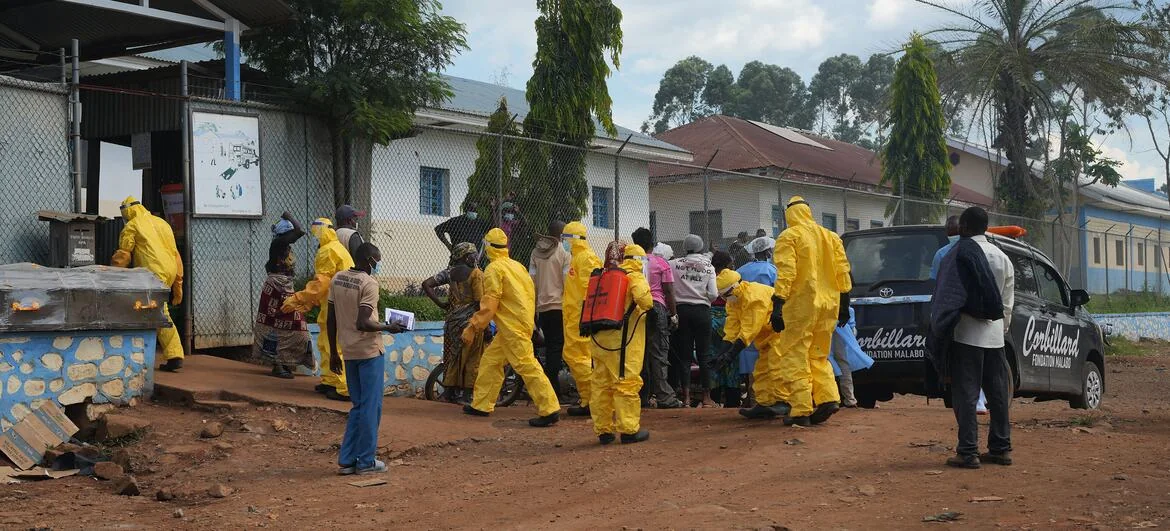
Médecins Sans Frontières (MSF) is warning that communities in the Democratic Republic of Congo (DRC) are not receiving enough support to contain the country’s Ebola outbreak, as it approaches 100 days since it was declared.
The outbreak has become the largest and deadliest in the DRC’s history, spreading in communities already struggling with conflict, displacement, hunger, and other health emergencies.
MSF is calling for urgent action to strengthen training for health workers and community leaders on early detection of Ebola cases, timely referrals, and infection prevention and control measures.
The outbreak has continued to claim lives, with roughly one person dying from Ebola every 30 minutes over the past week. Since the outbreak began, national authorities have reported more than 5,000 confirmed cases and over 2,400 deaths as of August 16.
“This epidemic continues to spread, moving faster than the response can keep up,” said Dr Javid Abdelmoneim, International President of MSF. “Treatment centres remain essential for saving lives, but this response needs more than extra beds. It needs better detection, safe isolation for sick people and their contacts, and support for health workers.”
He added that people seeking treatment at existing health facilities must also be protected from infection and that communities should be actively involved in the response.
In Rho displacement camp near Drodro in Ituri province, community leaders have been working with MSF to encourage people experiencing symptoms to seek testing, isolation, and treatment early. They are also helping families understand infection prevention measures.
The overcrowded camp is home to nearly 50,000 people, making community involvement particularly important in preventing further transmission.
“We know our communities and how to reach our people,” said Ezrome Kiza Lumani, a community leader in the camp. “When Ebola arrived, we did not wait. We spoke with families, listened to their fears, and encouraged people with symptoms to seek care.”
MSF says more than 60 per cent of Ebola deaths in the DRC since the outbreak began have occurred outside treatment centres, often far from facilities equipped to manage the disease. This means many patients are dying at home or within their communities without receiving appropriate care, while the virus continues spreading before cases are identified.
The organisation is also concerned about the increasing number of cases outside the original epicentre in Ituri. North Kivu province is reporting particularly high mortality, alongside mistrust of the Ebola response.
“With cases emerging in new areas with little or no previous experience managing Ebola disease, Ebola‑trained healthcare workers are urgently needed not only inside treatment centres but also directly in affected communities,” said Trish Newport, MSF’s emergency program manager in Ituri.
MSF is currently responding in Ituri, North Kivu, South Kivu, Tshopo, and Haut‑Uélé provinces. Its teams are operating six Ebola treatment centres and isolation units, with more than 400 beds available – about one‑third of the total beds across the overall response.
More than 1,400 MSF staff are supporting the effort. Since the outbreak began, MSF teams have admitted more than 2,000 patients, including over 800 confirmed cases.
In Beni, North Kivu, MSF has also shifted part of its response into communities by supporting existing health facilities that provide both Ebola care and general healthcare services. The approach allows patients to receive treatment more quickly while ensuring other essential services continue.
MSF says more needs to be done to ensure people can access care closer to where they live.
“Health workers and community leaders need training to help detect cases early, refer people safely, reinforce infection prevention and control, and protect themselves and others from infection,” Newport said.
She called for the World Health Organisation (WHO), UN agencies, humanitarian organisations, and the DRC Ministry of Health to urgently expand training and support for frontline workers and communities.
Community leaders are also using personal experiences to encourage people to seek care early. Emery Guba Mateso, a resident of Rho camp, lost his son to Ebola and later survived the disease himself.
“As a person who has recovered from Ebola disease, the message I would like to share with the community is that as soon as the first symptoms appear, it is important to seek medical care promptly because early access to appropriate treatment increases the chances of recovery,” he said.
Credit: Source link