

Jamaica Diaspora Conference revisited – Voice Online
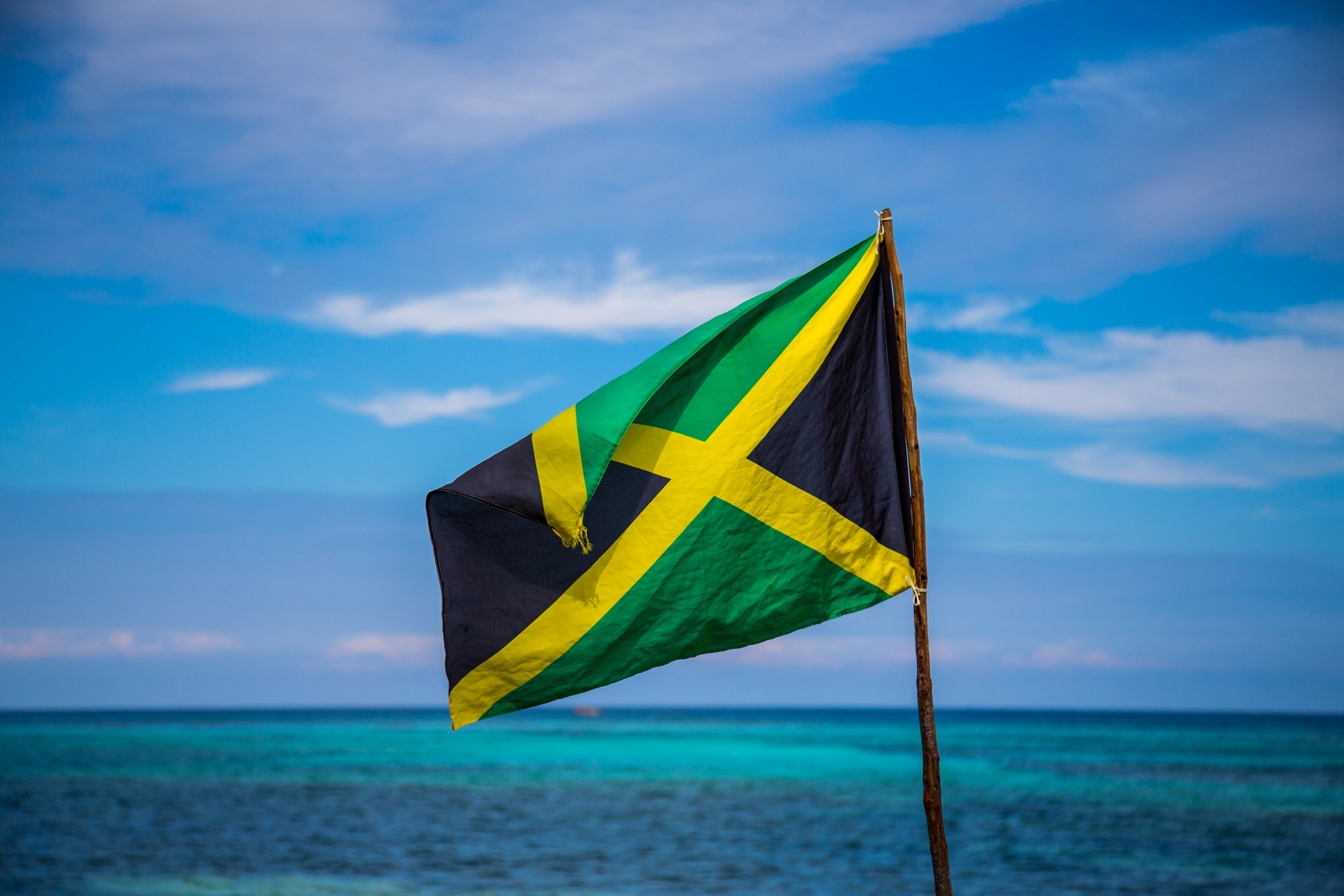
THE ELEVENTH biennial Jamaica Diaspora Conference last month facilitated a cross section of the Jamaican diaspora, joined in one discussion and unified around one message, building a more resilient Jamaican writes Hannah Reid.
This year’s conference was significant considering the devastating impact Hurricane Melissa had on Jamaican businesses, communities and the natural landscape.
From June 14-18 members of government, ambassadors, businesses, citizens and members of the Jamaican global diaspora convened to share ideas on how to build systems that are resilient, adaptive and sustainable, while exploring diaspora contributions that align with Vision 2030 Jamaica.
A strategic plan that sets out four goals for the Island’s national development: empowering Jamaicans, ensuring the society is secure and just, developing a prosperous economy and ensuring Jamaica has a healthy natural environment through sustainable management and use of environmental natural resources and sustainable urban and rural development.
The first day of the conference saw the Jamaican Ministry of Foreign Affairs and Foreign Trade share the responsibility of national development on the global Jamaican diaspora partners who engaged in panel discussions on mobilising trade and investment from entrepreneurs.
By highlighting Jamaican business success nationally and globally with an encouraging Diaspora and Returnee Business Success panel moderated by Oliver Mair, Consul General, Consulate General Jamaica, Miami, with Jamaican British businessman, celebrity chef and musician Levi Roots and Jewel Daniels Radford, a diaspora returnee from New York who founded Daniels Communications Global.
Roots shared his secret to building durability for a Jamaican business to build a unique brand identity.
“People invest in people and products secondly. Surround your brand around yourself as opposed to being about your inventions,” he said.
Doing business in Jamaica means investing in Jamaica, Jamaican culture and the ideas of the people.
Day one of the conference acted as the fuel of inspiration for aspiring new and weary entrepreneurs to continue pushing the possibilities for Jamaican businesses on a global stage.
On the second day of the conference Prime Minister Dr the most honourable Andrew Holness delivered a keynote speech introducing the idea of a cultural revolution centred around ensuring every level of society is efficient and productive.
Holness said: “We need a cultural revolution in the way we do business so we can match the speed on the track with the speed of doing business. We need to move from the consumer mentality to the innovator mentality.”
He added: “People are moving to countries that are efficient. We need to be Jamaica, the efficient, productive country.”
This vision is one of the goals the National Reconstruction and Resilience Authority is striving to create and is evident within Jamaica’s billion-dollar Tourism industry which generated over four billion dollars to the Jamaican economy, one third of the economic output of the tropical island that is a prime holiday destination for all throughout the year.
Director of the Jamaican Tourism board Donovan White told the Voice newspaper, how the board is securing Jamaica’s future by building tourism and disaster resilience.
White said: “We are always prepared as a ministry because we understand the needs of our industry, importance of our industry to the economy and the demand for travellers to Jamaica.
“These three factors support our planning for disaster resilience. Recovering from disruptions is never a difficulty; it is more to do with availability of the necessary resources and communications channels to ensure we stay as one.”
Finally, the conference’s third day of investment focussed engagements landed on how the creative economy can be leveraged to build stronger cultural industries.
The honourable Olivia Grange, shared how crucial it is for Jamaica to continue expanding economic, innovation and cultural policy for the creative economy by protecting creatives through the new proposed National Policy for Culture, Entertainment and the Creative Economy.
Grange said the proposals “seek to empower communities, preserve our heritage, deepen respect for cultural diversity and cultural expressions, embrace innovation with a focus on sustainability.”
It’s a policy that aims to strengthen Jamaica’s creative industries by improving oversight, protecting the rights of creatives, streamline government support and encourage private-sector collaboration.
Jamaican ambassador and guest speaker at the conference’s creative economy day was Shelly-Ann Fraser-Pryce, who said: “It’s not only the government who needs to invest more in sports, but I would like to see more investment on the corporate level, because we are all benefitting from the exposure and economic value that comes from sport.”

Fraser-Pryce believes more needs to be down to ensure athletes have equity and ownership within their sport after their retirement from professional sport.
Speaking to the Voice newspaper the Olympian enthused: “The main investment I would like to see for the athletes is for the ones who transition out of sport, into business, investment, access to education.
“As a federation and as a country we can come together to build an ecosystem where athletes transition from professional sport into additional education, mentorship or exchange programmes.”
The conference acted as an open forum of communication that mobilised expertise, investment and innovation of the global Jamaican diaspora in achieving national recovery and long term resilience.