

I’ve Lived in Colombia for 10 Years—Here Are 6 Off-the-grid Experiences I’d Recommend to Adventurous Travelers
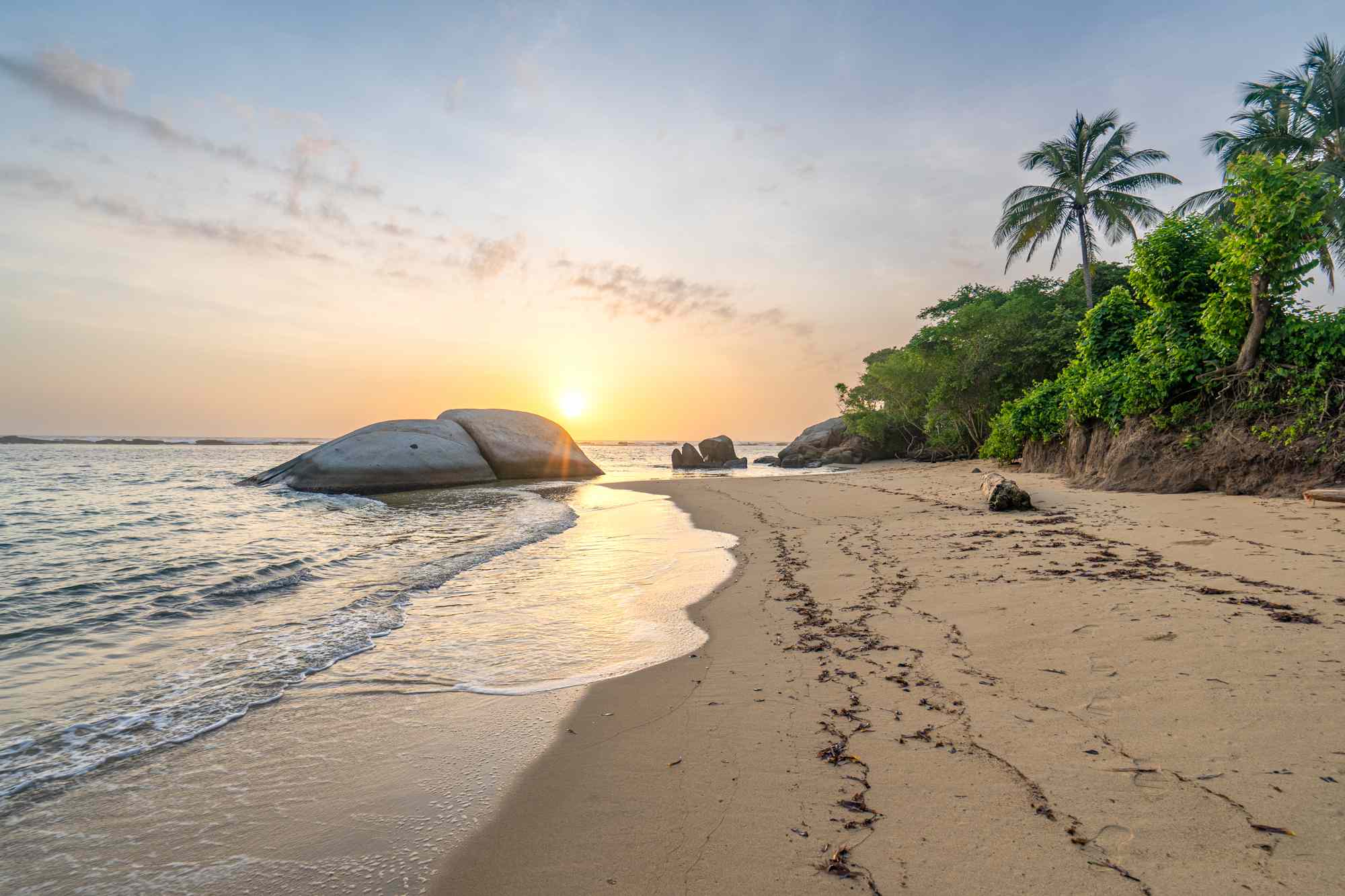
Colombia is one of South America’s premier nature destinations, yet many of its most alluring landscapes remain outside the travel circuit. For adventurous travelers, the country offers high-altitude páramos, tropical plains, desert peninsulas, Pacific rainforests, a multicolor river, and a Caribbean jungle. Having lived in Colombia for more than a decade, I’ve found that the best adventures are less about ticking off sights, and more about moving slowly, traveling with the right local guides, and understanding the places you’re exploring. These are some of my favorite off-the-grid expeditions in Colombia for adventurous travelers seeking to experience a wilder side of Colombia.
Los Nevados National Natural Park
Los Nevados is one of Colombia’s most dramatic high-altitude journeys—and one for serious hikers. The trail moves from cloud forest into páramo, a surreal, otherworldly moorland where little grows apart from frailejones, grasses, and hardy alpine plants. From there, it climbs toward Nevado del Tolima, a near-perfect volcanic cone. Andean condors circle overhead, while birding sanctuaries along the route offer the chance to see hummingbirds up close—sometimes feeding from an outstretched hand. Don’t be fooled; this is not a gentle nature walk. The elevation is demanding, and the weather can change quickly, so hikers should acclimatize properly and travel with an experienced mountain guide.
The Lost City
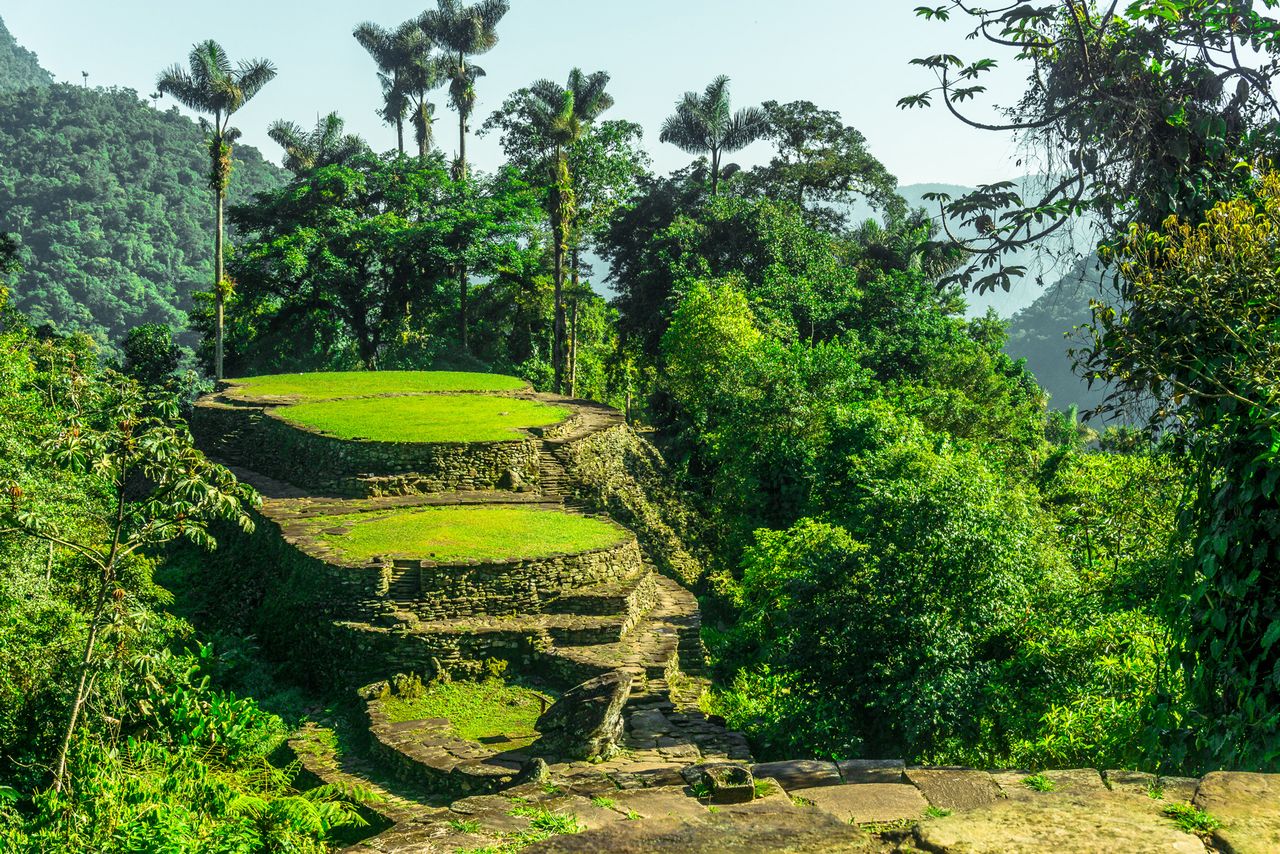
Ciudad Perdida, known as The Lost City, in Colombia.Credit: scottiebumich/iStockphoto/Getty Images
Built around 800 AD, the Lost City predates Machu Picchu by several centuries and can only be reached on foot. The trek is demanding, but reaching the ruins is only part of the experience. You’ll spend four days without cell reception, crossing rivers and pushing through humid jungle, and gain insight into the Indigenous cultures that still regard the Sierra Nevada de Santa Marta as sacred. The route crosses rivers and climbs humid ridges before culminating in 1,200 mossy stone steps leading to ancient Tairona terraces. It is demanding, but manageable for reasonably fit hikers willing to give up comfort for simple camps, hammocks, and a rare sense of remoteness.
Los Llanos
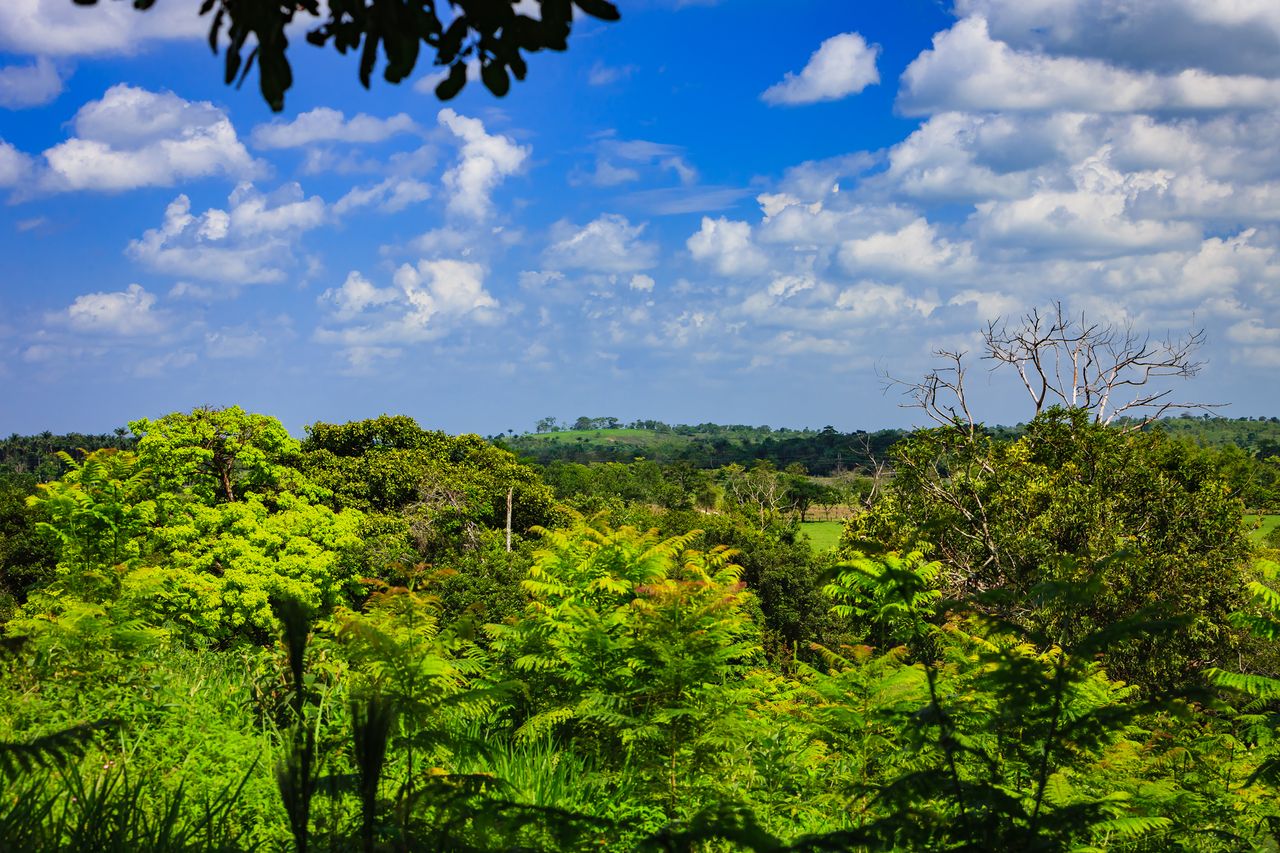
The landscape of Los Llanos, Colombia.Credit: ChandraDhas/iStockphoto/Getty Images
East of the Andes, Colombia opens into Los Llanos, vast plains that offer Colombia’s closest equivalent to a safari. This is cowboy country, with a rich Llanero culture rooted in horsemanship, cattle ranching, and life beneath seemingly endless skies. Traditional Llanero work songs are even recognized by UNESCO as Intangible Cultural Heritage. Days are spent crossing flooded savanna by boat, horseback, or open vehicle in search of capybara, caiman, giant anteaters, anacondas, and a remarkable variety of birds. With patience, luck, and a very good guide, you may even spot a jaguar. It is also an excellent adventure for families, with abundant wildlife, wide-open landscapes, and few other travelers.
Colombia’s Pacific Coast
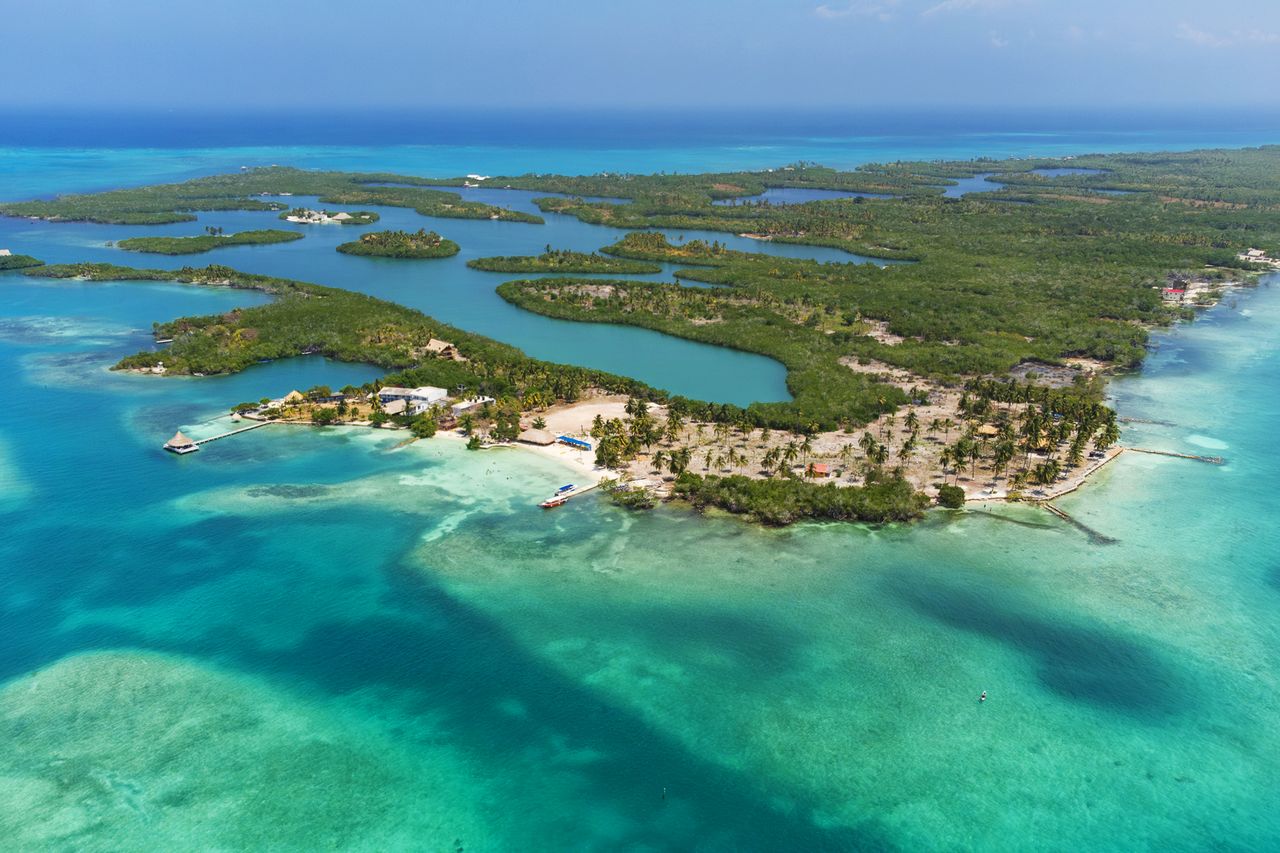
Stunning aerial views of the pacific coast of Colombia.Credit: Jerry Munoz/Getty Images
This is one of the wildest parts of the country—a roadless stretch of Chocó rainforest typically reached by light aircraft, where the approach can feel like a scene from Jurassic Park. It is one of the wettest and most biodiverse corners of Colombia, so travelers should expect nature, not polish. Between July and October, humpback whales migrate to these Pacific waters to breed and give birth, and mornings are often spent heading out by boat to watch them breach, slap their fins, and sometimes swim remarkably close to the boats. Between whale outings, travelers can hike through the jungle to waterfalls, explore black volcanic-sand beaches, spend time in Afro-Colombian communities, and feast on excellent seafood, often prepared with coconut.
Caño Cristales River
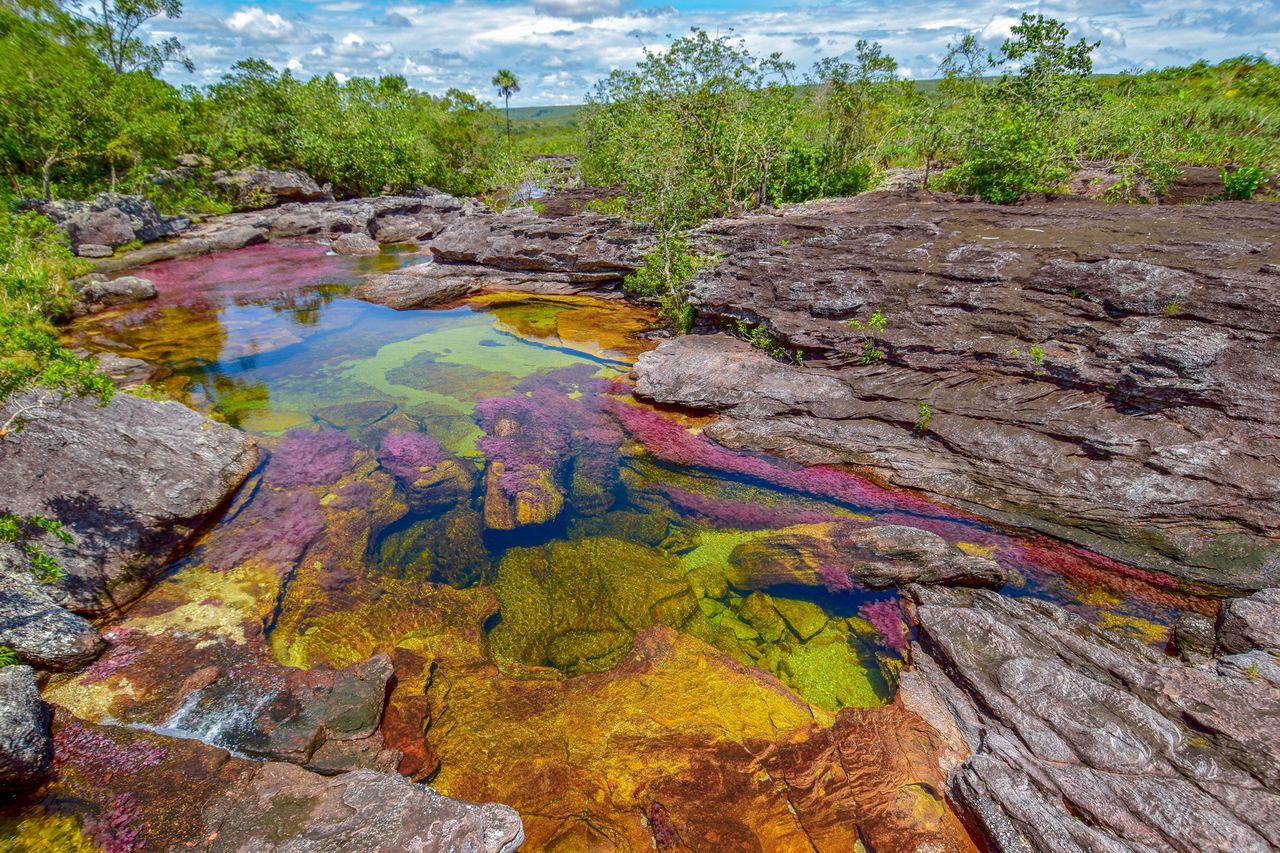
Colorful views of the Caño Cristales river in Colombia.Credit: Matevz Gros/Getty Images
Located in the Serranía de la Macarena National Natural Park, Caño Cristales is famous for turning shades of red, yellow, green, blue, and black for a few months each year, when the endemic aquatic plant Macarenia clavigera turns vivid red across the riverbed. The colored sections are highly protected, and swimming is restricted so the fragile plants are not damaged. The surrounding Serranía de la Macarena is just as compelling. It is a remote region where the ecosystems of the Andes, Amazon, and Orinoco converge, creating a landscape that mixes dense forest with rolling hills and open grasslands. A dawn hike to watch the sun rise over the river and surrounding hills makes the journey especially worthwhile.
La Guajira
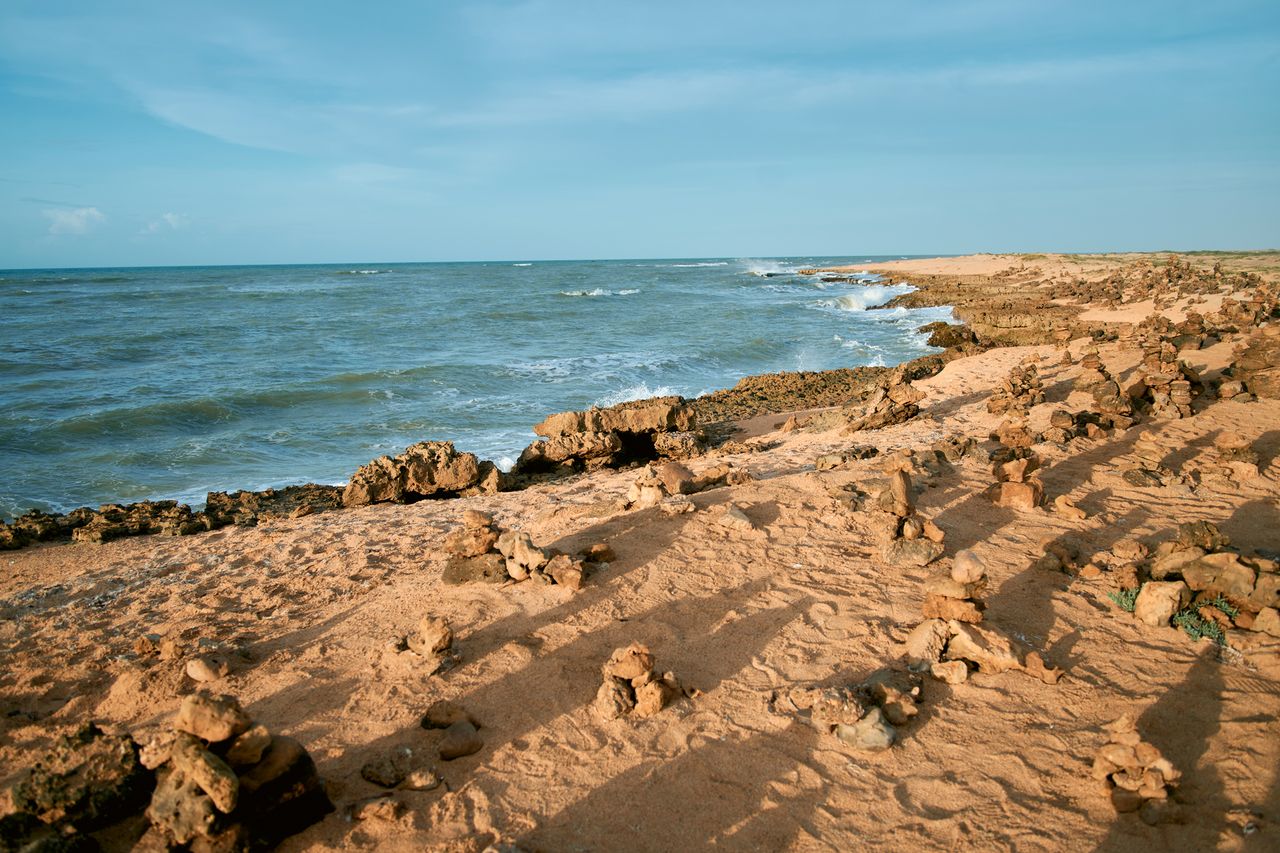
The beach landscape of La Guajira, Colombia.Credit: F.J. Jimenez/Getty Images
La Guajira can feel like another Colombia entirely. At the northern tip of the country, the desert meets the Caribbean Sea in a landscape of red dunes, salt flats, cacti, and turquoise bays. Punta Gallinas marks the northernmost point of mainland South America, in a region that is dry, exposed, and far from almost everything. This is the homeland of the Wayuu, Colombia’s largest Indigenous group, and travel here means staying in simple accommodations in Wayuu rancherías (traditional rural settlements), eating the day’s catch, and crossing rough desert terrain by 4×4. Travel to places like Cabo de la Vela and Punta Gallinas is not comfortable in the conventional sense, which is precisely the point. The region’s strong, steady winds have also made Cabo de la Vela a destination for kitesurfers.
Boris Seckovic is a member of Travel + Leisure’s A-List and specializes in trips to Colombia. You can create a tailor-made itinerary with Seckovic by contacting boris@amakuna.com.
Read the original article on Travel & Leisure