

Issad Rebrab’s Cevital launches $600 million Sugar Beet project
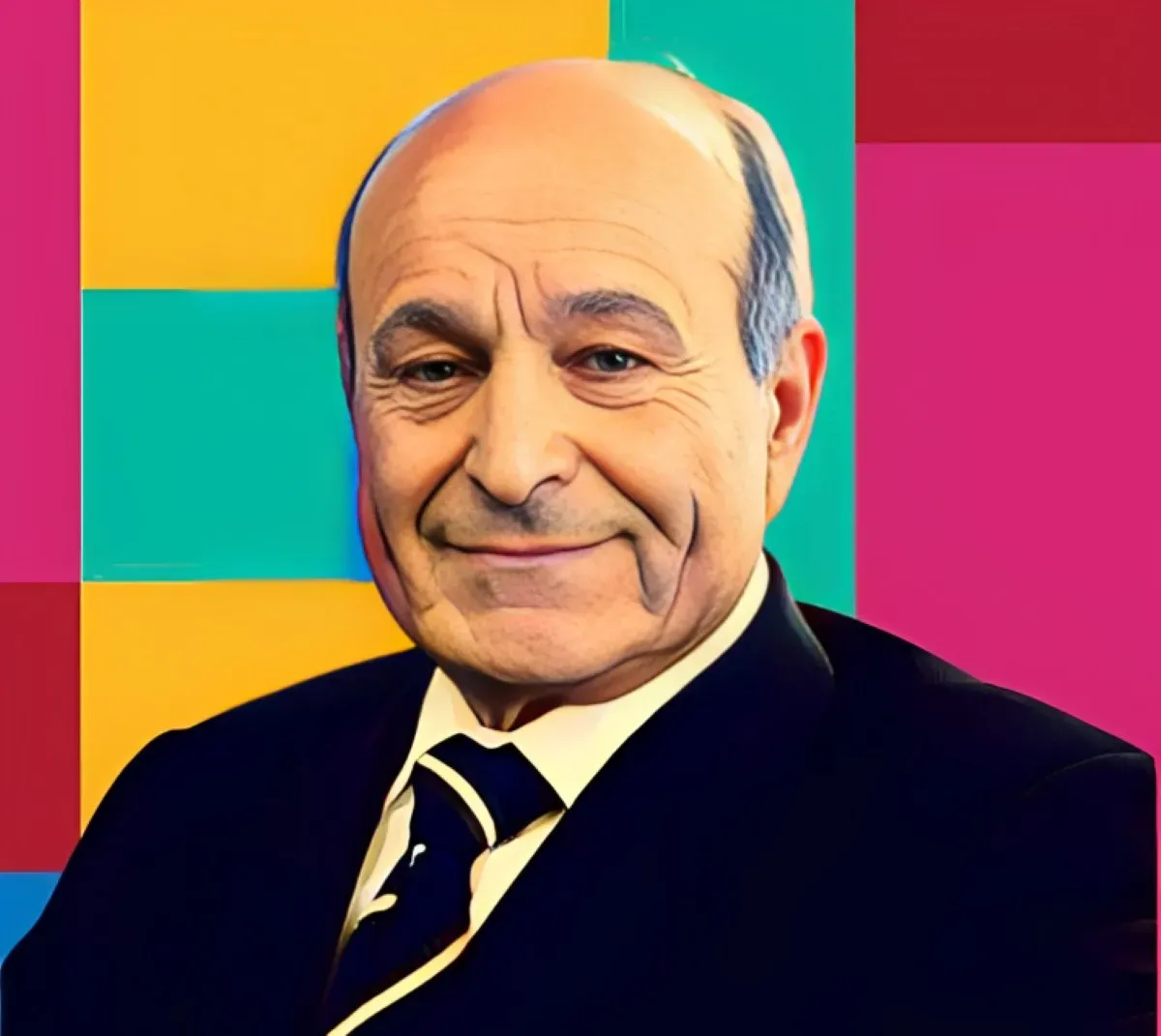
Algeria’s largest private conglomerate has placed a $600 million bet on ending the country’s dependence on imported sugar, launching a combined sugar beet farming and refining project in the Ghardaïa region of the northern Sahara that is expected to create 5,000 jobs at full capacity.
Cevital, founded by billionaire Issad Rebrab, announced the project on May 5 through Algerian state television. Work has already begun on a 1,200-hectare agricultural concession in the wilaya of Ghardaïa, including drilling operations that have reached 385 meters below the surface. Initial cultivation trials conducted in 2024 produced sugar extraction rates of between 18% and 20%, results the company described as encouraging for a semi-arid site.
A processing complex, including a refinery, is to be built adjacent to the farming area and is scheduled to enter service in 2028. The decision to locate the refinery next to the fields is deliberate and informed by history. Algeria attempted a sugar beet industry in the 1980s that collapsed in part because the distance between farms and processing plants caused beet quality to deteriorate before it could be refined. Sugar beet must be processed quickly after harvest to preserve its sugar content, and the logistical failure of that earlier effort is a lesson Cevital has built directly into the current project design.
The scale of Algeria’s sugar import problem gives the initiative its strategic weight. Algeria is Africa’s largest sugar importer and one of the biggest buyers of the commodity globally, bringing in roughly 2.3 million tonnes annually. Its sugar import bill exceeded $931.7 million in 2023, according to Trade Map data. That spending represents a significant drain on foreign currency reserves that the Algerian government has been trying to reduce as part of a broader push toward import substitution and domestic industrial production.
Additional revenue streams are expected from the by-products of the refining process. Beet pulp and molasses generated during sugar extraction have established commercial uses in the animal feed industry, giving the project a secondary income line alongside its primary sugar output.
Cevital was founded by Rebrab in 1998 and has grown into Algeria’s most diversified private industrial group, with operations spanning agribusiness, glass manufacturing, automobile distribution, steel, home appliances, construction materials, retail, transport, media and electronics. Rebrab, who is 82, is the only Algerian to appear in Forbes’ global billionaire ranking, with an estimated net worth of $3.6 billion as of the March 2026 edition. In 2022 he handed operational control of the group to his son Malik as the family shifted Cevital’s strategic focus more deliberately toward agro-industrial activities.
The Ghardaïa project is the most visible expression of that shift. Whether it can produce at the scale needed to make a meaningful dent in Algeria’s sugar import dependency will depend on how the semi-arid site performs at full agricultural scale, and on whether the 2028 refinery timeline holds through construction.
Crédito: Link de origem