

Is Bohicon Safe for Travel RIGHT NOW? (2026 Safety Rating)
Safety Index:
* Based on Research & Crime Data
Bohicon is one of southern Benin’s busiest crossroads, sitting in the Zou Department roughly 120 kilometers north of Cotonou and only a short distance from historic Abomey.
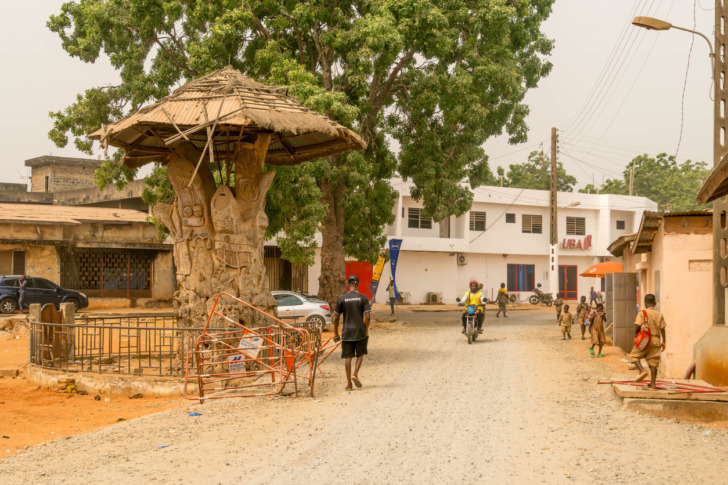
Rather than being a polished resort town, Bohicon feels like a working West African commercial center, filled with markets, motorbike taxis, roadside businesses, churches, food stalls, and travelers moving between southern and northern Benin.
Its location makes it a useful base for visiting the Royal Palaces of Abomey and exploring the culture of the former Kingdom of Dahomey.
Bohicon is far removed from the country’s most dangerous northern border zones, but visitors still need to think seriously about traffic, petty crime, malaria, food and water safety, and nighttime movement.
Benin as a whole currently carries an increased-caution travel advisory.
Warnings & Dangers in Bohicon
OVERALL RISK: MEDIUM
Bohicon is generally manageable for experienced travelers using normal precautions. The city is outside Benin’s highest-risk northern regions, but crime, road accidents, political unrest, malaria, and limited emergency services remain concerns. Visitors should use reputable accommodation, trusted drivers, and established tourist routes while avoiding unnecessary nighttime movement.

TRANSPORT & TAXIS RISK: MEDIUM
Traffic is one of the most realistic dangers in Bohicon. Motorbike taxis are common, driving standards vary, and roads may be poorly lit outside central areas. Conditions become more difficult during heavy rain. Avoid intercity road travel after dark and use a reputable private driver for longer trips whenever possible.

PICKPOCKETS RISK: MEDIUM
Petty theft can occur in markets, transport areas, busy commercial streets, and crowded events. Bohicon receives fewer conventional tourists than coastal destinations, so foreign visitors may stand out. Keep your phone discreet, carry bags securely, and avoid storing cash or valuables in exposed pockets.

NATURAL DISASTERS RISK: MEDIUM
Heavy tropical rain, thunderstorms, localized flooding, extreme heat, and road washouts are the main environmental hazards. Rural roads can become particularly difficult during rainy periods. Travelers should not attempt to cross flooded roads and should allow additional time for transportation when severe weather is forecast.

MUGGING RISK: MEDIUM
Robbery is possible, particularly after dark, around transport areas, and on quiet roads. Avoid displaying jewelry, expensive watches, cameras, or large amounts of cash. Do not walk alone through unfamiliar parts of Bohicon late at night, and use a vehicle when returning from restaurants or social events.

TERRORISM RISK: MEDIUM
Bohicon itself is not one of Benin’s main terrorism hotspots. The serious militant threat is concentrated much farther north near Burkina Faso, Niger, and parts of the Nigerian border. Those areas face terrorism, kidnapping, and violent crime and should not be added casually to an itinerary from Bohicon.

SCAMS RISK: MEDIUM
Visitors may encounter inflated taxi prices, unofficial guides, poor currency-exchange offers, or people requesting unnecessary fees. These are usually more frustrating than dangerous. Agree on prices before accepting transportation or services, and use guides recommended by your accommodation or established attractions.

WOMEN TRAVELERS RISK: MEDIUM
Women can visit Bohicon, but solo travelers should take additional precautions. Unwanted attention or harassment can occur, particularly when walking alone. Dress relatively modestly, use trusted transportation after dark, and avoid isolated roads, bars, and unfamiliar residential areas when traveling alone.

TAP WATER RISK: HIGH
Travelers should avoid drinking untreated tap water. Use sealed bottled water or water that has been properly boiled or filtered. Be cautious with ice, salads, and fruit that cannot be peeled. Gastrointestinal illness can become much more difficult to manage when access to advanced medical care is limited.
Safest Places to Visit in Bohicon
Central Bohicon During the Day
The busiest central streets are among the easiest areas for visitors to navigate.
Shops, restaurants, markets, banks, transport services, and local businesses keep plenty of people around during daylight.
The atmosphere may look chaotic if you are new to West Africa, but busy does not automatically mean dangerous.
The biggest concern is usually keeping track of belongings while navigating traffic and crowds.
Bohicon Market
The market is one of the best places to experience everyday life in the city.
Produce, clothing, household goods, food, and locally made products fill the trading areas.
Visit during daylight, carry only the cash you need, and keep cameras and phones discreet.
A local guide can make the experience easier if you do not speak French or Fon.
Abomey
Abomey is so close to Bohicon that the two cities are often treated as part of the same urban area by travelers.
Its Royal Palaces provide one of Benin’s most significant historical experiences.
A daytime visit with a knowledgeable guide is highly recommended.
The story of the Kingdom of Dahomey is complex, and having someone explain the history adds far more value than simply walking around the monuments.
Local Cultural Centers
Cultural associations, craft workshops, museums, and organized community visits are among the safest ways to learn about the region.
Arrange visits through recognized guides or accommodation providers rather than following strangers who approach you on the street offering access to private ceremonies or supposedly secret attractions.
Established Hotels and Restaurants
Reputable hotels provide useful support in a city where international tourism infrastructure remains limited.
Staff can arrange drivers, explain local transportation, recommend restaurants, and help communicate with guides.
For first-time visitors to Benin, this assistance is worth paying for.
Places to Avoid in Bohicon
There Are No Clearly Defined Tourist No-Go Neighborhoods
Bohicon does not have a famous district that every traveler must avoid.
Instead, risk tends to increase when streets become isolated, poorly lit, or unfamiliar.
During the day, most ordinary commercial areas can be visited with normal precautions.
After dark, your movement should become much more deliberate.
Empty Streets After Dark
Avoid unnecessary walking late at night.
Street lighting can be inconsistent, pedestrian infrastructure is limited, and help may not be immediately available if something goes wrong.
Even relatively short journeys are better completed by car or a trusted driver after dark.
Transport Areas Late at Night
Bus stations and roadside transport hubs can become chaotic, particularly when vehicles arrive or depart after dark.
Travelers carrying luggage may attract unofficial drivers, touts, or thieves.
Whenever possible, schedule arrivals during daylight and arrange pickup in advance.
Northern Benin Conflict Zones
Do not treat Bohicon as a stepping stone for spontaneous exploration of Benin’s far north.
Official warnings advise against travel to areas bordering Burkina Faso and Niger, along with several northern and northeastern districts because of terrorism, kidnapping, and crime.
Flooded Rural Roads
Roads around villages can deteriorate quickly during heavy rain.
Avoid driving through standing or moving water even if motorcycles or local vehicles appear to be crossing successfully.
Floodwater can hide deep potholes, washed-out sections, drainage ditches, or damaged bridges.
Isolated Rural Sites Without a Guide
Do not wander onto private farms, sacred sites, abandoned compounds, or unfamiliar village paths independently.
Local customs matter, and visitors may unintentionally enter private or religious spaces.
A trusted local guide can prevent misunderstandings and make rural visits much more rewarding.
Safety Tips for Traveling to Bohicon
- Use a trusted driver for longer journeys. A private driver arranged through your hotel or tour company is one of the best investments you can make in Benin. Road conditions and driving habits can be unpredictable, and traveling after dark outside towns is specifically discouraged.
- Avoid intercity driving at night. Poor lighting, pedestrians, motorbikes, animals, broken-down vehicles, and road damage become much harder to see after sunset. Plan journeys to Cotonou, Ouidah, Porto-Novo, or other destinations so that you arrive before dark.
- Take malaria prevention seriously. Mosquito protection should be part of your daily routine. Use repellent, wear light long clothing in the evening, and sleep in properly screened or air-conditioned accommodation. Before traveling, discuss preventive medication and vaccinations with a travel-health professional.
- Drink only safe water. Use sealed bottled water or correctly treated water for drinking. Check that bottle caps are intact before opening them. Avoid ice when you do not know the water source and be selective about raw foods.
- Carry cash discreetly. Cash remains important for local transport, markets, restaurants, tips, and small businesses. Divide your money between secure locations rather than carrying your entire budget in one wallet. Avoid counting large amounts of cash publicly.
- Be cautious with motorbike taxis. Zemidjans are everywhere and can be convenient, but riding in mixed traffic carries a meaningful accident risk. For anything more than a short journey, I would choose a car with a trusted driver whenever possible.
- Keep your phone out of sight when you do not need it. Walking around while staring at an expensive smartphone makes you less aware of traffic and more attractive to thieves. If you need directions, step into a shop, restaurant, hotel, or other controlled environment.
- Stay far away from northern conflict areas. Benin’s security situation changes dramatically as you travel north. Areas near Burkina Faso, Niger, and portions of the Nigerian frontier currently carry serious warnings because of terrorism, kidnapping, and armed crime.
- Respect religious and cultural traditions. Southern Benin has strong Vodun traditions alongside Christianity and Islam. Ask before photographing ceremonies, shrines, priests, worshippers, or private compounds. Never assume a religious site is simply a tourist attraction.
- Have strong medical and evacuation insurance. Emergency response in Benin is limited, and serious medical problems may require treatment in Cotonou or evacuation abroad. Carry your insurer’s emergency information offline and make sure the policy specifically covers Benin.
So… How Safe Is Bohicon Really?
Bohicon is not one of Benin’s most dangerous destinations, and the difference between southern and northern Benin is important.
The city lies in the more populated south, far from the regions facing the most serious militant threat.
The United States currently rates Benin overall at Level 2, meaning travelers should exercise increased caution, while identifying specific northern and northeastern areas as places not to travel.
For someone visiting Bohicon itself, the everyday concerns are much more ordinary.
Traffic is a bigger threat than terrorism.
Malaria is a bigger practical concern than political violence.
Poor water, petty theft, nighttime road travel, and limited medical care are all things a visitor is more likely to deal with during a normal trip.
Bohicon also has an advantage: it is close to Abomey and sits on one of Benin’s main transportation corridors.
Visitors can use it as a convenient base without venturing into remote territory.
The city is best suited to travelers comfortable with developing-country conditions.
Someone expecting polished sidewalks, dependable public transportation, widespread card payments, and extensive English-language tourism services may find it challenging.
My overall rating for Bohicon is medium risk.
Travel during daylight, use a reliable driver, take malaria prevention seriously, protect your belongings, and keep your itinerary within safer southern and central regions.
How Does Bohicon Compare?
Useful Information

Visas
Most non-African foreign visitors need a visa for Benin, while African nationals can generally enter visa-free for up to 90 days. The official e-visa system offers a 30-day single-entry visa for €50, a 30-day multiple-entry visa for €75, and a 90-day multiple-entry visa for €100.

Currency
Bohicon uses the West African CFA franc. Cash remains essential for markets, taxis, small restaurants, and local businesses. Larger hotels may accept cards, but travelers should not depend entirely on them. Withdraw money from established bank ATMs and avoid informal street exchange even when the rate appears attractive.

Weather
Bohicon has a hot tropical climate with high temperatures throughout the year. Rain becomes heavier during the wet seasons and can affect roads and rural travel. Pack breathable clothing, sunscreen, insect repellent, a hat, sturdy sandals or shoes, and reliable rain protection if traveling during wetter months.

Airports
Cotonou Cadjehoun Airport is the main international airport for travelers heading to Bohicon. The road journey typically takes several hours depending on traffic, road conditions, and stops. Arrange a reliable driver before arrival rather than negotiating a long-distance transfer after leaving the terminal.

Travel Insurance
Comprehensive travel insurance is strongly recommended. Emergency response in Benin is limited, and serious illness or injury may require evacuation. Look for coverage including medical treatment, evacuation, road accidents, theft, trip interruption, and infectious disease. Confirm that your policy remains valid for every region on your itinerary.
Bohicon Weather Averages (Temperatures)
Average High/Low Temperature
| Temperature / Month | Jan | Feb | Mar | Apr | May | Jun | Jul | Aug | Sep | Oct | Nov | Dec |
|---|---|---|---|---|---|---|---|---|---|---|---|---|
| High °C |
35 | 36 | 36 | 34 | 33 | 32 | 30 | 29 | 31 | 32 | 34 | 35 |
| Low °C |
23 | 24 | 25 | 24 | 24 | 23 | 23 | 22 | 23 | 23 | 24 | 23 |
| High °F |
95 | 97 | 97 | 93 | 91 | 90 | 86 | 84 | 88 | 90 | 93 | 95 |
| Low °F |
73 | 75 | 77 | 75 | 75 | 73 | 73 | 72 | 73 | 73 | 75 | 73 |
Benin – Safety by City
Credit: Source link