

Iraq’s Coordination Framework Pushes to Finalize PMF Legislation
Iraqi Shiite political bloc says law governing Popular Mobilization Forces is a priority as Washington presses Baghdad to curb armed groups
ERBIL (Kurdistan24) — Iraq’s Coordination Framework on Monday called for completing legislation regulating the Popular Mobilization Forces (PMF), underscoring the Shiite political bloc’s determination to formalize the role of the powerful paramilitary organization within Iraq’s state institutions amid growing US pressure on Baghdad to address the status of armed groups.
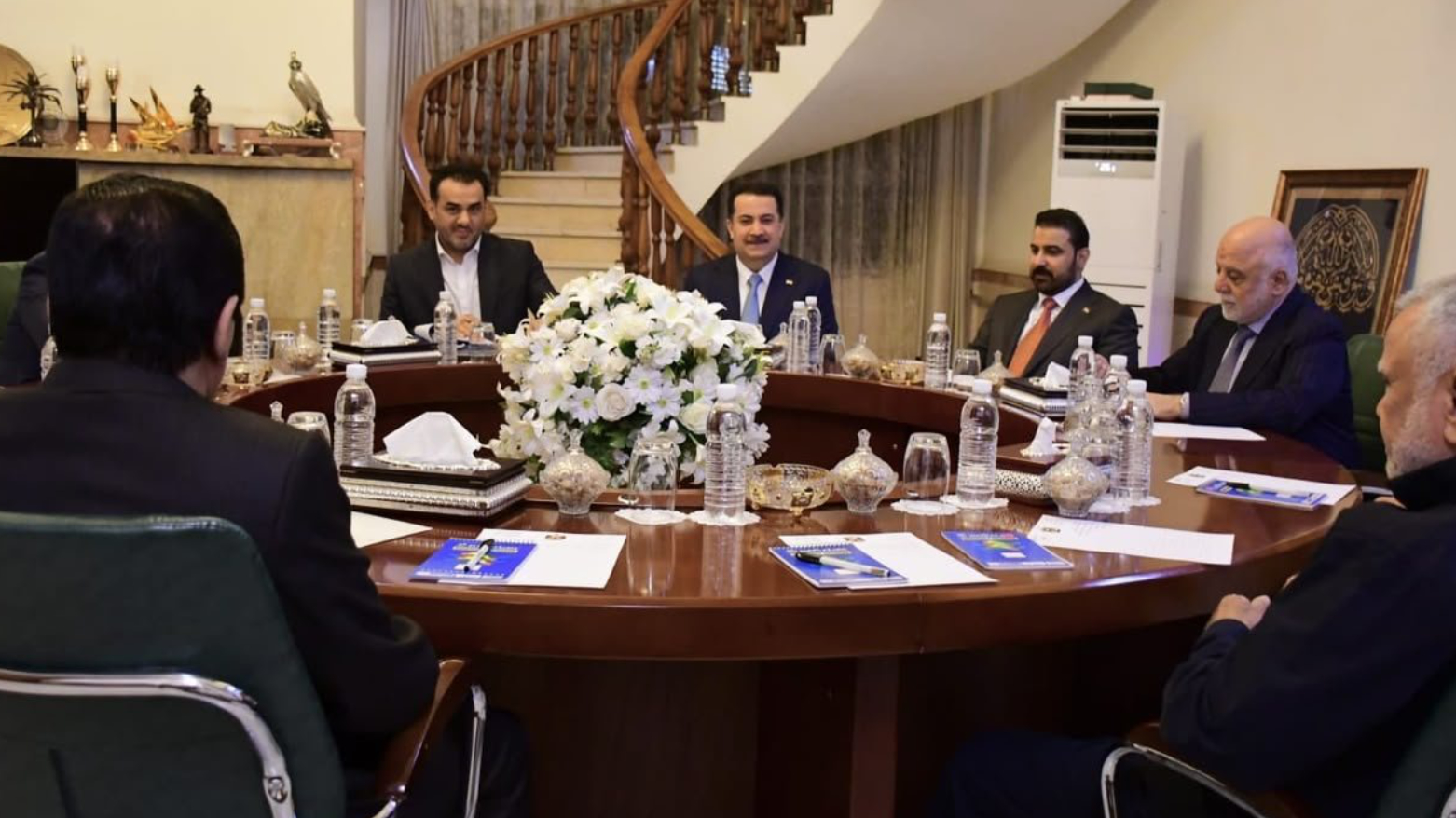
Following its regular meeting in Baghdad, the Coordination Framework said it had discussed the PMF Authority Law and stressed the importance of finalizing the legislation to regulate the force’s work and strengthen its role within state institutions.
The statement placed the legislation among a series of priority laws discussed during the meeting, signaling that the framework intends to move forward with establishing a formal legal framework for the PMF.
The push comes as the United States has increased pressure on the Iraqi government over the presence and activities of Iran-aligned armed groups, with Washington calling for weapons and military power to be brought under the authority of the Iraqi state.
The PMF, established in 2014 after a religious call to mobilize against the Islamic State, was formally incorporated into Iraq’s security forces under legislation passed in 2016. However, several of its most powerful factions maintain close political and military ties with Iran and operate with significant autonomy.
The issue has become increasingly sensitive amid heightened regional tensions and the broader US-Iran confrontation. Washington has repeatedly raised concerns over armed groups in Iraq and their ability to launch attacks against US personnel and interests.
For the Coordination Framework, however, the proposed legislation represents an effort to further institutionalize the PMF rather than dismantle it. Its statement emphasized strengthening the authority’s role “within state institutions” and regulating its activities through legislation.
The meeting also addressed several other key pieces of legislation, including the long-delayed oil and gas law, the Federal Supreme Court Law and the Federal Council Law, describing them as necessary for completing Iraq’s constitutional and institutional framework.
On government formation, the Coordination Framework reviewed ongoing political discussions and called for the process to be finalized. It decided to proceed with nominating the remaining ministers needed to complete the government and enable it to carry out its duties.
The framework also discussed its internal organization and agreed on the need for regulations governing its mechanisms of work and decision-making, with the stated aim of strengthening institutional procedures and maintaining a unified political position.