

Iraq Wants to Double Oil Output—and Needs OPEC to Get Out of the Way
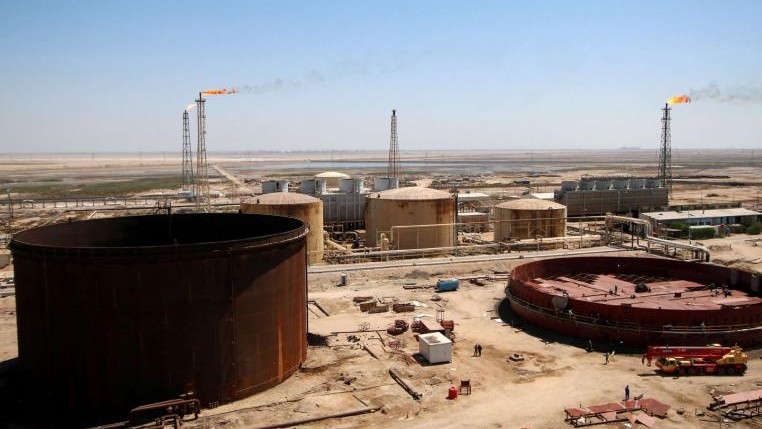
Iraq wants to more than double its oil production within six years. First, it needs OPEC to let it.
Baghdad is targeting output of between 8 million and 10 million barrels per day, up from roughly 4 million bpd before the Iran war, Prime Minister Ali al-Zaidi said Friday.
Iraq dispatched its oil and finance ministers to Saudi Arabia the same day to make the case for a higher OPEC production quota.
OPEC+ has hired DeGolyer and MacNaughton to independently assess the maximum sustainable production capacity of most members, including Iraq. The consultancy is expected to submit its findings by the end of September, kicking off negotiations over production baselines for 2027.
Those negotiations tend to get testy because a higher baseline generally means permission to pump more oil.
But Iraq will have a problem even if it is lucky enough to get a higher production quota approved: getting all those barrels out.
The country has been among the producers hit hardest by Iran’s effective closure of the Strait of Hormuz, historically Iraq’s primary crude export route. Iraq has managed to push exports through Hormuz back to around 2 million bpd this month, but traffic through the chokepoint remains well below pre-war levels.
Al-Zaidi said Iraq plans to expand exports through Turkey’s Ceyhan port while pursuing new routes through Syria’s Baniyas and Jordan’s Aqaba.
The existing Iraq-Turkey pipeline is currently moving only about 170,000 bpd.
A proposed pipeline to Syria would provide another route around Hormuz, but that construction could take four years and cost at least $15 billion.
That makes Iraq’s 8-million-to-10-million-bpd target as much an infrastructure problem as a drilling one.
China is already buying more Iraqi crude as Middle Eastern supply routes fracture, including recent purchases of 8 million barrels of Basrah Heavy and Basrah Medium.
By Julianne Geiger for Oilprice.com