

Iraq salary delays test Central Bank’s limits – Shafaq News
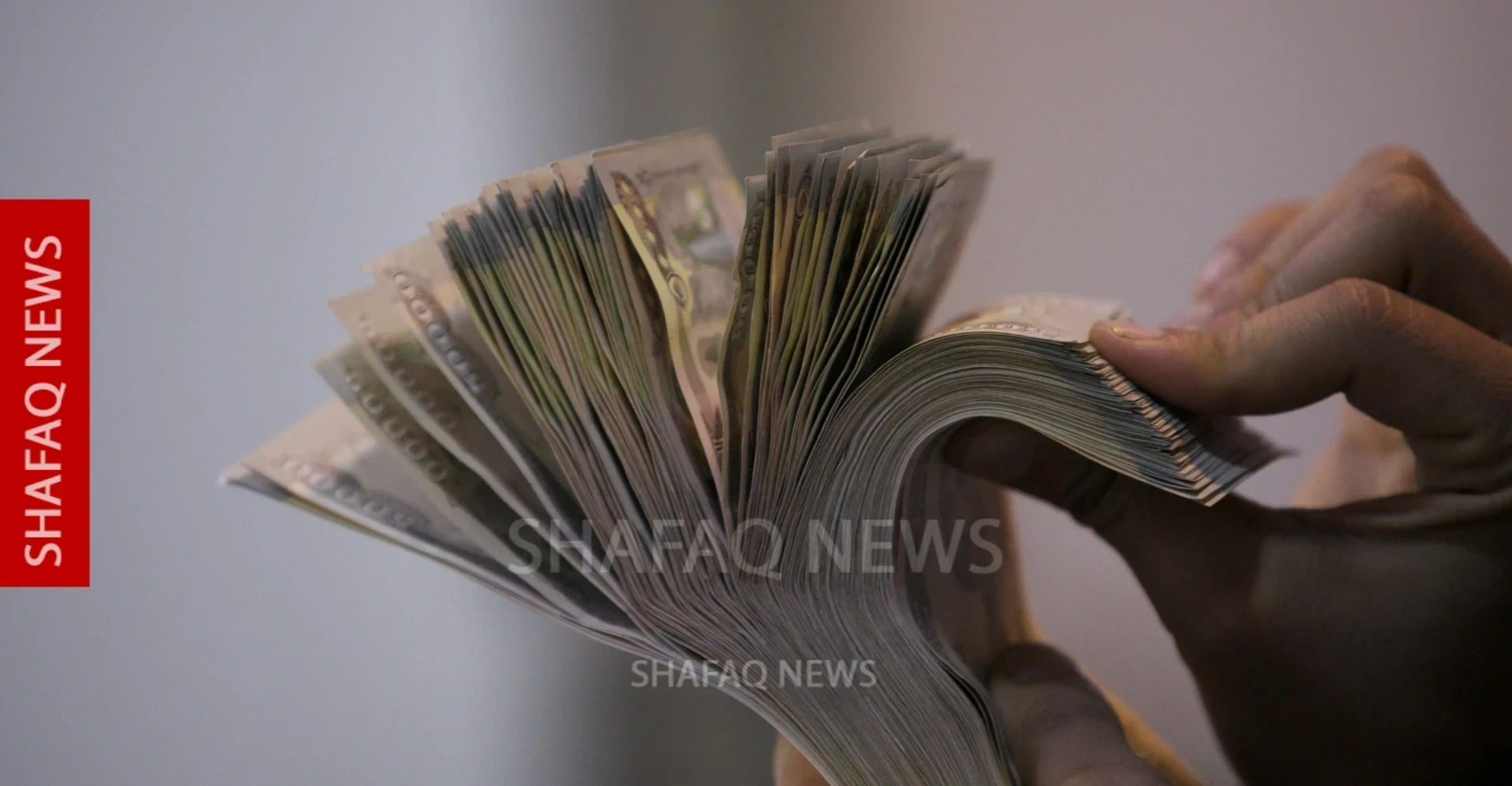
2026-08-02T15:03:51+00:00
Shafaq News- Baghdad
Delays in public-sector salary
payments have renewed debate over whether the Central Bank of Iraq (CBI) can
ease mounting fiscal pressure as declining oil revenues squeeze state finances.
With last month’s salaries
still unpaid and regional tensions continuing to disrupt oil exports,
economists told Shafaq News the Central Bank has only limited tools to support
public finances, warning that prolonged reliance on monetary measures could
carry economic costs.
Economist and Iraqi University
professor Abdul Rahman Al-Mashhadani explained that the CBI’s foreign reserves
are designed to safeguard the economy by financing imports, supporting the
exchange rate, and containing inflation —not covering budget deficits. Although
the reserves remain sufficient to finance roughly one year of imports, he
argued Baghdad could temporarily borrow dinars from the Central Bank to cover
salaries and other monthly obligations through September. If export disruptions
continue, however, sustained borrowing could increase inflationary pressures.
Read more: Rafidain Bank moves to speed Iraq salary payments
“If those steps fail to ease
the strain, authorities may have to raise public service fees and taxes,
introduce compulsory savings, or reduce salary allowances,” Al-Mashhadani
cautioned. He also pointed to the CBI’s dollar auction as a major source of
dinar liquidity, noting that lower oil revenues have reduced state cash
inflows. “External borrowing would be a better option than drawing down
reserves, allowing the Central Bank to maintain its focus on price and
exchange-rate stability.”
Former CBI director Mahmoud
Dagher stressed that the institution cannot directly resolve fiscal imbalances
because its mandate is defined by law. He identified treasury-bill discounting
as a mechanism to inject funds into the banking system while helping cover
state spending, adding that changing the dinar’s exchange rate should remain a
last resort because of its effect on prices and household purchasing power.
Economic expert Mohammed
Al-Hassani argued that the current pressure reflects shortcomings in cash-flow
management rather than a shortage of resources, urging Baghdad to prioritize
salaries and pensions, defer non-essential spending, and accelerate reforms to
reduce dependence on oil income. Domestic bond issuance, he noted, could
provide short-term financing while long-term resilience depends on stronger
coordination between fiscal and monetary policy.
Read more: Iraq’s oil bottleneck: Abundance trapped by dependency
Comments are closed.