

Iraq Needs New Gulf Oil Export Routes to Ease Mounting Financial Pressure, FDD Says
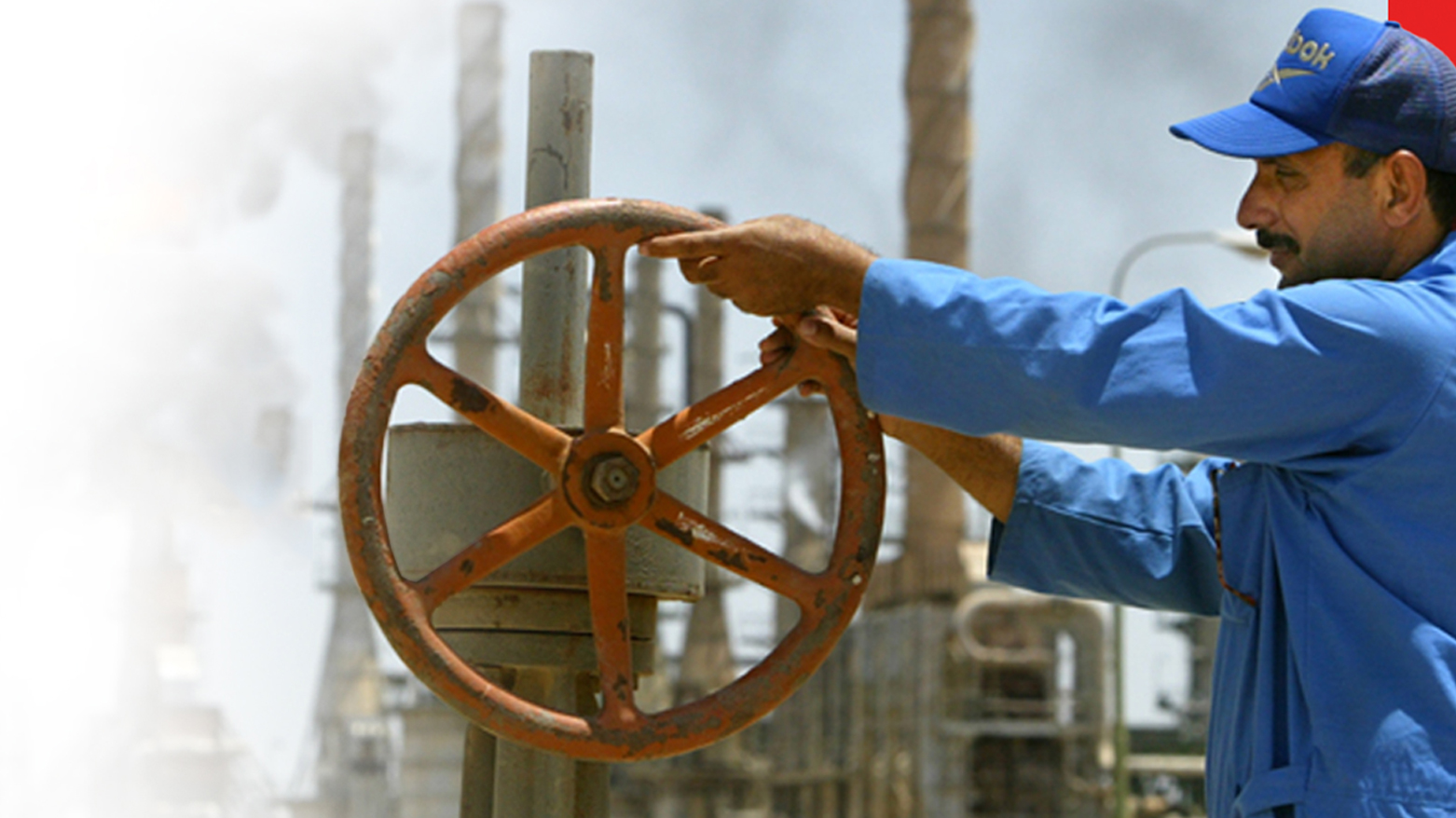
A report by the Foundation for Defense of Democracies says Iraq’s heavy reliance on oil revenues and disruption in the Strait of Hormuz have sharply reduced exports and strained government finances.
ERBIL (Kurdistan24) – Iraq is facing a severe financial crisis as disruptions in the Strait of Hormuz have cut oil exports, prompting calls for Baghdad to diversify its export routes through Gulf states, particularly the United Arab Emirates, according to a report by the Foundation for Defense of Democracies (FDD) on Friday.
The report said Iraq relies on oil revenues to finance about 90 percent of its general budget, while exports have now fallen to roughly half their level before regional conflicts and the closure of the Strait of Hormuz. At that time, exports stood at 3.4 million barrels per day.
Oil revenues for September and June were reportedly around $2 billion per month, while the government needs approximately $6 billion monthly to cover salaries for employees and retirees as well as social welfare expenses.
The report said Iraq’s State Organization for Marketing of Oil (SOMO) has resorted to selling oil to the United Arab Emirates’ ADNOC, which transports shipments through the Strait of Hormuz using what are known as “dark voyages,” in which vessels turn off their tracking systems to avoid Iranian threats.
The oil is subsequently unloaded and transferred to other vessels outside the strait before being shipped to consumers in Asia.
Despite the security risks surrounding the route, the report described it as a vital outlet for Iraq under current circumstances.
Before the closure of the Strait of Hormuz, Iraq exported 94 percent of its oil through Gulf waters, according to the report. Some 90 percent of Iraq’s production is concentrated in southern fields, while the country lacks the infrastructure needed to transport those volumes northward.
The alternative Iraq-Türkiye pipeline route to the port of Ceyhan has a capacity of no more than 200,000 barrels per day, the report said.
It added that road tankers heading toward ports in Syria and Jordan cannot compensate for the shortfall caused by the suspension of large oil tankers.
The FDD report urged the United States to encourage Baghdad to move closer to Gulf countries, arguing that such a step would have economic and diplomatic implications.
According to the report, stronger ties with Gulf states could help improve diplomatic relations following previous tensions, secure investment and energy supplies from Gulf countries, and reduce Iranian influence in Iraq.
The report concluded that without new and secure routes for exporting oil, the Iraqi government could eventually face difficulties securing salaries for public employees.
It described partnership with Gulf countries as a strategic necessity for maintaining Iraq’s stability, rather than merely an economic option.