

IOM says number of immigrants in Libya rises to nearly one million
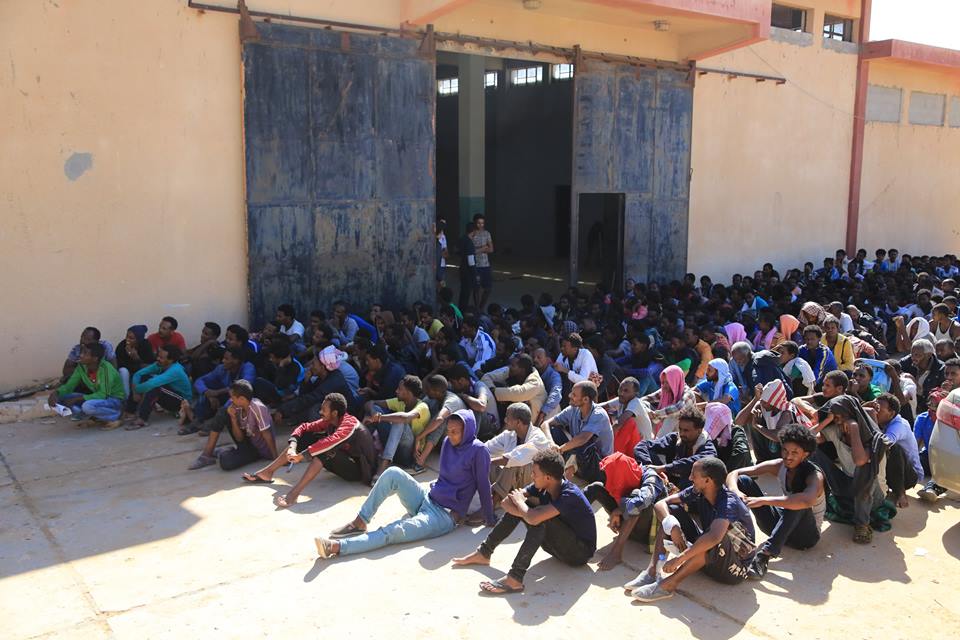
The cumulative number of immigrants in Libya has climbed to nearly one million, reaching 943,748during March and April 2026, a modest increase of 0.8% compared with the previous round of migrant assessments.
Sudanese nationals account for the largest share of migrants at 34%, followed by Nigeriens and Egyptians at 20% each, while Chadians make up 10%. Contrary to common perceptions, 40% of migrants intend to remain in Libya as their final destination, while only 7% plan to continue to Europe and 16% intend to return to their home countries.
Geographically, 53% of migrants are located in western Libya, 36% in the east and 11% in the south. Although 77% are active in the labor market, only 4% work under written employment contracts, with most relying on verbal agreements or informal employment.
The data also highlights significant legal and housing challenges. Around 84% of migrants lack residency permits, 85% do not have work permits, and although 83% live in rented accommodation, only 7% have legally documented rental contracts.
Field findings also point to serious gaps in access to basic services. Some 74% of migrants face severe difficulties or complete lack of access to healthcare, while 55% of migrant households report obstacles to enrolling their children in school.
Credit: Source link