

Human Rights Activist Warns Gov’t Against Biased Drug War | News
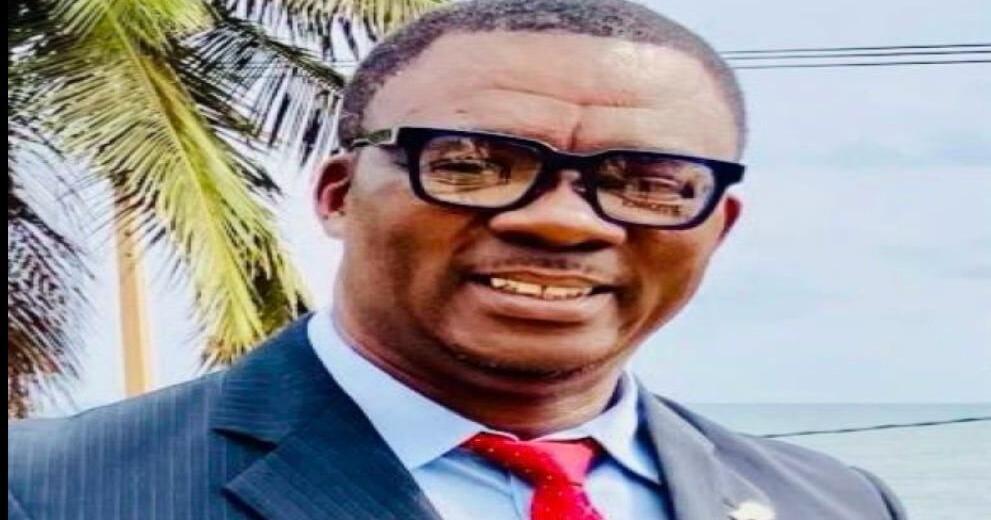
Prominent Liberian human rights activist and National Secretary General of the Civil Society Human Rights Advocacy Platform of Liberia, Adama K. Dempster, has called on the government to adopt stringent measures and conduct impartial investigations as it intensifies efforts to dismantle entrenched drug networks operating across the country.
Dempster said the government must demonstrate unwavering political will by ensuring that no individual or group, regardless of status or political influence, is placed above the law.
He warned that half-measures would not be sufficient to confront Liberia’s growing drug problem, urging authorities to pursue what he described as a decisive and uncompromising national response against the networks responsible for financing, facilitating and protecting the illegal drug trade.
The human rights advocate said the government’s response must go beyond the arrest of low-level actors and target the financiers, facilitators and alleged political protectors who have enabled drug cartels to operate with impunity over the years.
According to Dempster, dismantling the networks requires investigations that follow the money, identify those providing protection and expose the structures that allow drug trafficking operations to survive.
He stressed that such investigations must be impartial, transparent and conducted without political interference, particularly when allegations involve influential individuals.
Dempster said Liberia’s fight against drugs cannot be won through law enforcement alone, arguing that the country needs a comprehensive and multidimensional approach combining security, economic, social, political, health, legal and preventive measures.
He said the government must pursue the fight with determination while protecting the rights and dignity of citizens, particularly young people and communities most affected by drug abuse and trafficking.
The CSO Human Rights Advocacy Platform said the objective should be to dismantle criminal networks while preventing the campaign from becoming a source of abuse or injustice against ordinary citizens.
“The fight must be waged with determination, but also with respect for the rights and dignity of every Liberian citizen, especially the youth and those living within the country,” Dempster said.
He emphasized that successful enforcement must be accompanied by rehabilitation and reintegration programs for people affected by drug dependency, particularly young Liberians.
The Civil Society Human Rights Advocacy Platform acknowledged the government’s National Anti-Drug Action Plan 2025–2030, describing it as a step in the right direction.
However, Dempster warned that the plan’s success will depend on sustained implementation rather than its adoption alone.
He identified sustained law enforcement, rehabilitation, intelligence gathering and stronger regional and international cooperation as critical components of the strategy.
Liberia’s geographic position and porous borders, he said, make cooperation with neighboring countries and international partners essential to disrupting trafficking routes and preventing Liberia from becoming a transit point for illicit drugs.
Dempster also called for improved intelligence gathering to enable security and law enforcement agencies to identify drug networks before they expand their operations.
The human rights activist urged the government to remain impartial, transparent and accountable throughout its anti-drug campaign.
He said enforcement must apply equally to ordinary citizens and individuals occupying powerful political, economic or social positions.
Dempster stressed that the credibility of the government’s anti-drug campaign will ultimately depend on whether authorities are willing to investigate and prosecute individuals at every level of the alleged drug networks.
He called for an approach that strengthens communities rather than undermines them, saying the campaign should combine accountability with prevention, treatment and public education.
The CSO Platform further urged the government to ensure meaningful involvement of civil society organizations and affected communities in the implementation and monitoring of the National Anti-Drug Action Plan.
Dempster said Liberia now has an opportunity to demonstrate that its institutions can confront organized criminal networks without compromising human rights, due process or the rule of law.
He called on the government to “act boldly, remain impartial, transparent, accountable and inclusive,” stressing that justice must reach every level of society, including those in positions of power.
The human rights advocate said only a sustained and comprehensive national effort can effectively dismantle Liberia’s entrenched drug networks while protecting communities and creating a safer environment for future generations.
Credit: Source link