

How one question from a St. Louis traveler changed Jewish life in Cuba
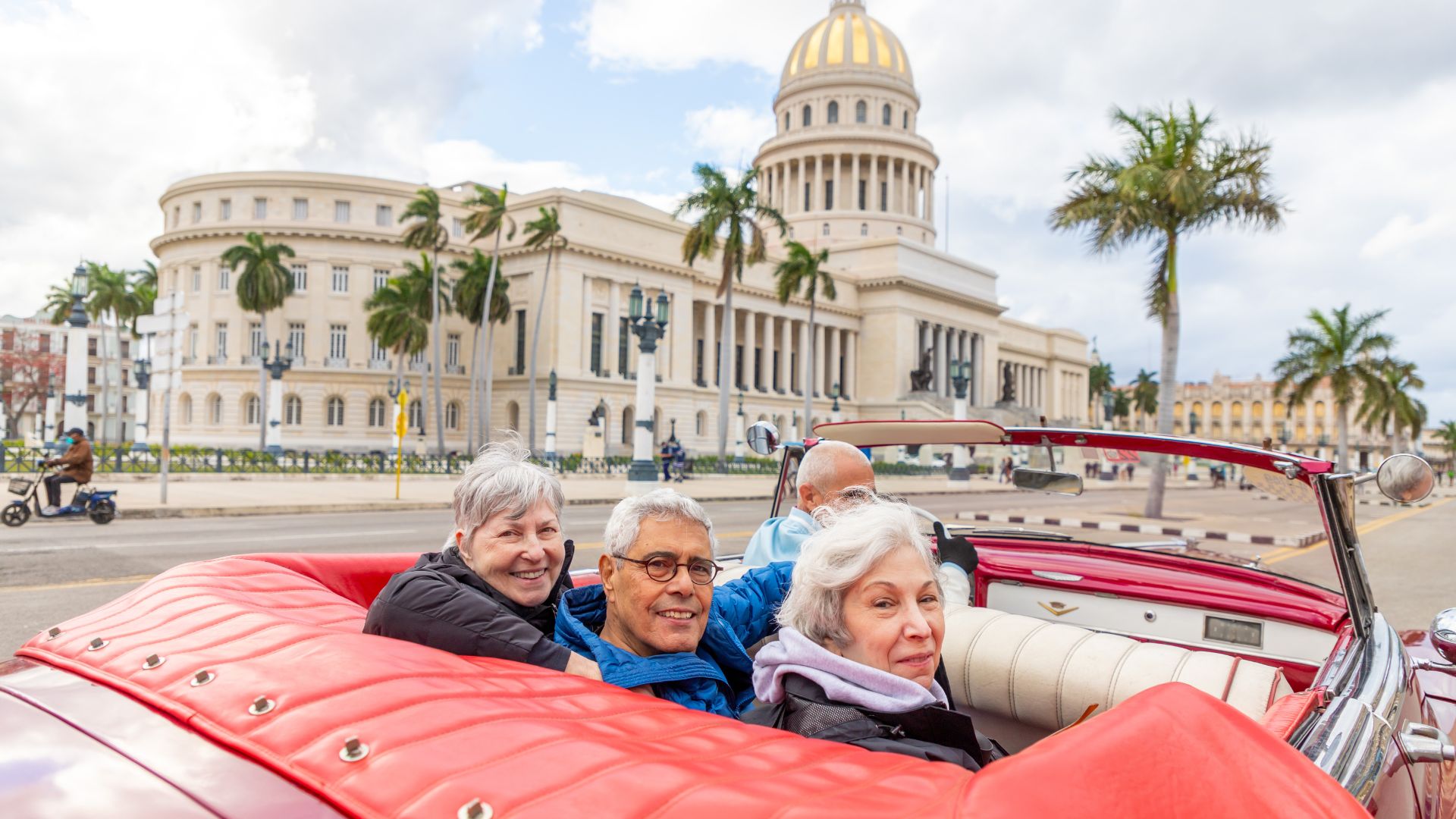
When a group of Jewish St. Louisans traveled on a Jewish Federation mission to Cuba last summer, they expected an opportunity to experience a country few Americans can visit easily while connecting with a Jewish community unlike their own.
What they did not expect was that a simple conversation during a Shabbat dinner would lead to a project that now helps sustain Jewish communal life in Havana.
The mission, organized by Jewish Federation of St. Louis, was part of the Federation’s effort to expand its travel and engagement opportunities beyond Israel.
An unexpected mission beyond Israel
“The Federation is trying to expand our mission and travel opportunities outside of Israel,” said Karen Rader, director of the Israel Center and travel experiences at Federation. “We’ve always focused on Israel, but we know there are Jewish communities around the world, and there are opportunities to meet them, build relationships, gain a broader understanding of global Jewish life, strengthen connections and bridge cultures.”
When the trip was announced, interest was immediate.
“We set up the trip and within about a week, we had filled the bus because it’s a country that most people can’t easily visit,” Rader said. “People were intrigued and wanted to see Cuba.”
For participant and Congregation Shaare Emeth member Bill Elliot, 72, the appeal was equal parts adventure and Jewish connection.
“My wife, Lynn, and I travel a lot,” Elliot said. “I like adventurous things, interesting things and trips that are easy to get to. We’d never done a Federation trip before, and I thought Cuba would be a neat experience that not many people get to have.”
Witnessing Cuba’s hardships
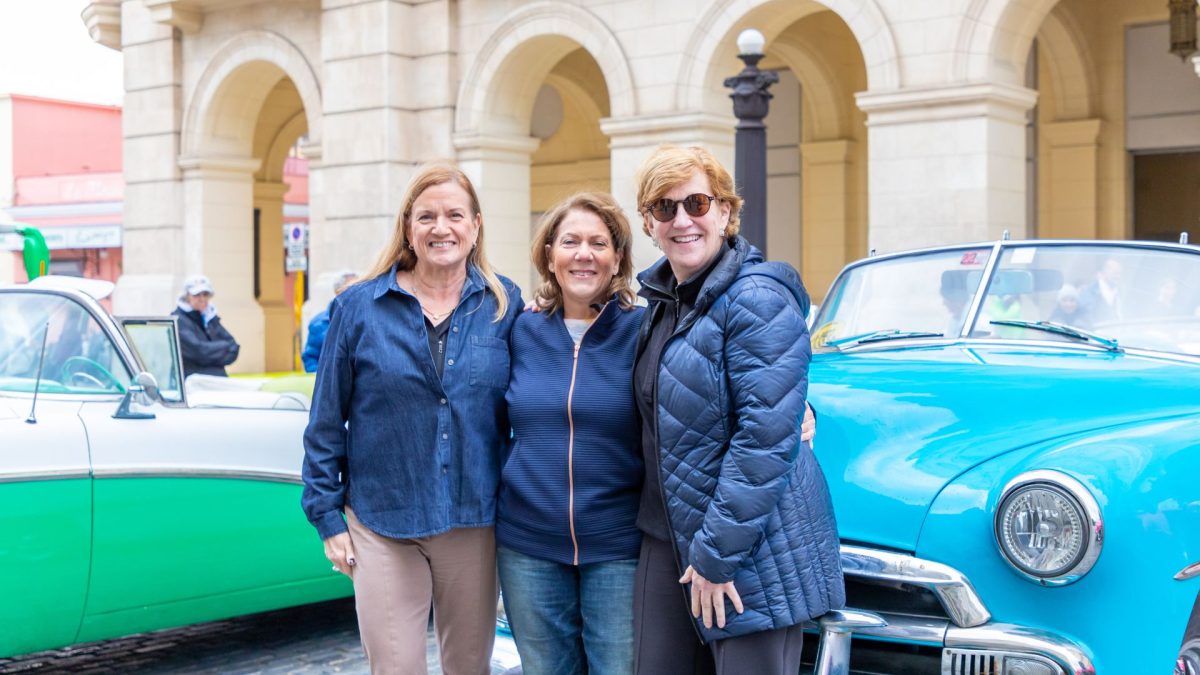
The travelers explored Cuban history and culture, rode through Havana in classic convertibles, took salsa lessons and visited Jewish institutions.
Along the way, they witnessed the country’s hardships.
“We were riding in convertible Cadillacs along the coast, taking salsa lessons and eating at extraordinary restaurants,” Elliot said. “Yet there were lines at ATMs where no money was available. Trash was beginning to pile up in the streets. People were already experiencing rolling blackouts of 12 to 15 hours a day.”
One of the mission’s most meaningful experiences came during a Friday night visit to a Havana synagogue. Participants met congregants, attended Kabbalat Shabbat services and helped serve dinner afterward.
“The service itself was incredible,” Elliot said. “There were probably about 150 people there. Most of them were visitors from Federation groups around the country, along with some tourists. There may have only been 20 Cubans there, but it was such a joyous service.”
The meal that followed highlighted both the strength and vulnerability of Jewish life in Cuba.
“They talked about how buses bring people in for Friday night services,” Elliot said. “For many people, it’s not just about worship. It’s the one meal each week they know they’ll receive. They’ll have food, water, community and access to medicine.”
Rader said synagogue dinners provide critical support.
“What we were told is that this is probably the only time during the week that many of them will receive protein such as chicken or other poultry,” she said. “When groups like ours come in, we help cover the cost of those meals so they’re not simply eating beans and rice.”
A conversation that sparked action
During dinner preparations, Elliot struck up a conversation with a leader from the Cuban synagogue. When he asked about the congregation’s greatest need, her answer was electricity. Electricity shortages and extended blackouts have become part of daily life throughout Cuba. The congregation hoped to install solar panels but lacked the resources to do so.
“She then explained that they had a proposal approved by the government to install solar panels on the building,” Elliot said. “They were trying to raise money for the project because it would help support the building and free up resources for things like bus fuel.”
The conversation was informal and unexpected.
“It was a very organic conversation,” Elliot said. “She wasn’t trying to make a sales pitch. She simply shared what they were trying to accomplish.”
After learning about the proposal, Elliot approached Rader.
“Bill came to me and asked, ‘Is that something the Federation could help with?’” Rader said. “I told him yes, we absolutely could.”
That simple question set events in motion.
Federation worked with local contacts to identify a way to get funds directly to the project. An email was sent to participants after the trip inviting contributions, and the response was quick.
“Between the participants and a few people who heard about the effort even though they weren’t on the trip, we raised more than $20,000 within two weeks,” Rader said.
The funds exceeded the original goal. The synagogue received its solar panel system, additional batteries were installed to improve reliability and remaining funds were used to purchase portable solar-powered fans for community members.
Powering Passover: The impact
The impact quickly became evident.
“I was later sent photos and videos of the Jewish community in Havana celebrating Passover,” Rader said. “The room was packed.”
When she asked whether the celebration would have been possible without the new system, the answer was clear.
“They said, ‘Absolutely not,’” Rader said. “Because of those solar panels, they were able to celebrate Passover together as a community.”
A family legacy of Jewish responsibility
For Elliot, the project reflected a deeply held Jewish value.
“As for how it feels, helping other Jews has always been part of who I am,” he said.
He traced that commitment through generations of his family.
“My great-grandfather helped establish the first Reform temple in Colorado in the 1800s,” Elliot said. “He wanted Judaism to be part of life in the developing West. That sense of responsibility has always been part of my Jewish soul.”
The mission also left participants with a stronger sense of connection to Jewish communities facing extraordinary challenges.
“We were there to help other people,” Elliot said.
Rader, reflecting on the outcome months later, said the experience changed the way she thinks about Federation missions.
“One thing that really stands out to me is how much Bill Elliot inspired me,” she said. “The fact that he asked one simple question was incredibly meaningful.”
The project emerged without any formal fundraising appeal and grew entirely from relationships formed during the trip.
“This happened completely organically,” Rader said. “Bill asked a question, brought the information to us and we were able to run with it.”
| RELATED: She went to Havana with nothing. She left with family.