

Houthis seize key Yemeni port, close in on Red Sea chokepoint
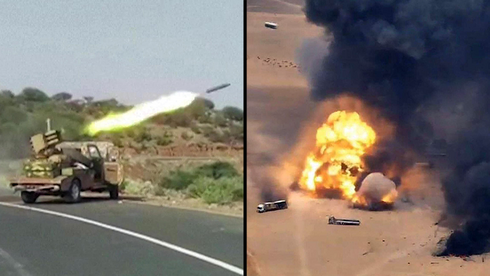
Iran-backed Houthi rebels have seized the Yemeni Red Sea port city of Mocha, bringing the group closer to controlling the strategic Bab el-Mandeb Strait as fighting with Saudi-backed forces intensifies and threatens to reopen a major front in Yemen’s long-running war, Yemeni government sources told Reuters on Thursday.
Three Yemeni government sources said the Houthis had taken control of Mocha, a historic port on Yemen’s southwestern coast. Government military sources also said Houthi forces were closing in on Dhubab, another coastal area directly along the Bab el-Mandeb, as they push to control Yemen’s Red Sea coastline.
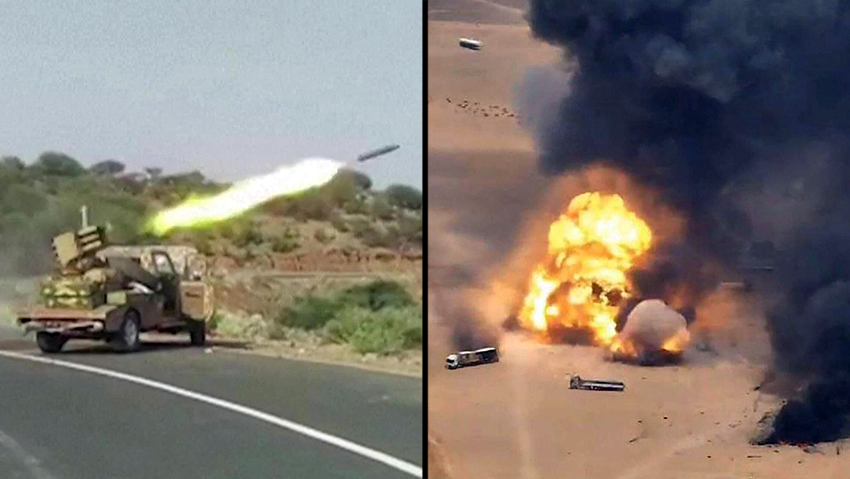
The advance would give the Houthis greater leverage over one of the world’s most important shipping routes. The Bab el-Mandeb, which separates Yemen from Djibouti and Eritrea, connects the Red Sea with the Gulf of Aden and is a key passage for oil, fuel and other commodities moving between Asia and Europe through the Suez Canal.
The fighting has taken on added significance as the six-month conflict involving the United States, Israel and Iran disrupts another crucial energy route, the Strait of Hormuz. About 28 commodity vessels passed through the Bab el-Mandeb on Wednesday, roughly in line with the recent average, according to preliminary ship-tracking data.
The Houthi advance comes amid a sharp escalation in fighting in Yemen and across the Saudi border in recent days, raising fears of a return to full-scale war after a UN-brokered truce in 2022 largely halted years of fighting between the Houthis and forces aligned with Yemen’s internationally recognized government.
The Houthis launched one of their largest attacks on Saudi Arabia since the U.S.-Israeli war with Iran began in February, targeting an air base at Khamis Mushait and oil infrastructure in nearby cities. The Saudi-led coalition said at least 73 people were wounded in attacks on four southern Saudi cities.
Houthi military spokesman Yahya Saree said Wednesday that Saudi warplanes had carried out 54 strikes over the previous 12 hours in several parts of Yemen. The Houthis said strikes hit Jawf, Marib and Saada provinces near the Saudi border, as well as Taiz in the south and Hodeidah on the Red Sea coast. Saudi Arabia did not confirm the strikes. Saree warned that the attacks would “not go unanswered and unpunished.”
Saudi civil defense authorities issued repeated emergency alerts in Khamis Mushait, including four within 24 hours, before announcing an all-clear Thursday. The renewed clashes have opened what amounts to a second major front in the wider regional conflict and increased concerns about energy supplies already strained by fighting around the Strait of Hormuz.
Pakistan has meanwhile conveyed a Saudi warning to Tehran urging it to rein in the Houthis, according to Saudi, Pakistani and Iranian sources cited by Reuters. A senior Iranian official said Tehran responded that it does not control the group. Two Iranian sources, however, told Reuters that Tehran had instructed the Houthis last week to attack Saudi Arabia and promised additional funding and weapons, while Iranian Revolutionary Guard commanders traveled to Yemen to help coordinate the attacks.