

Ghana, Mauritius and Uganda develop stablecoin rules
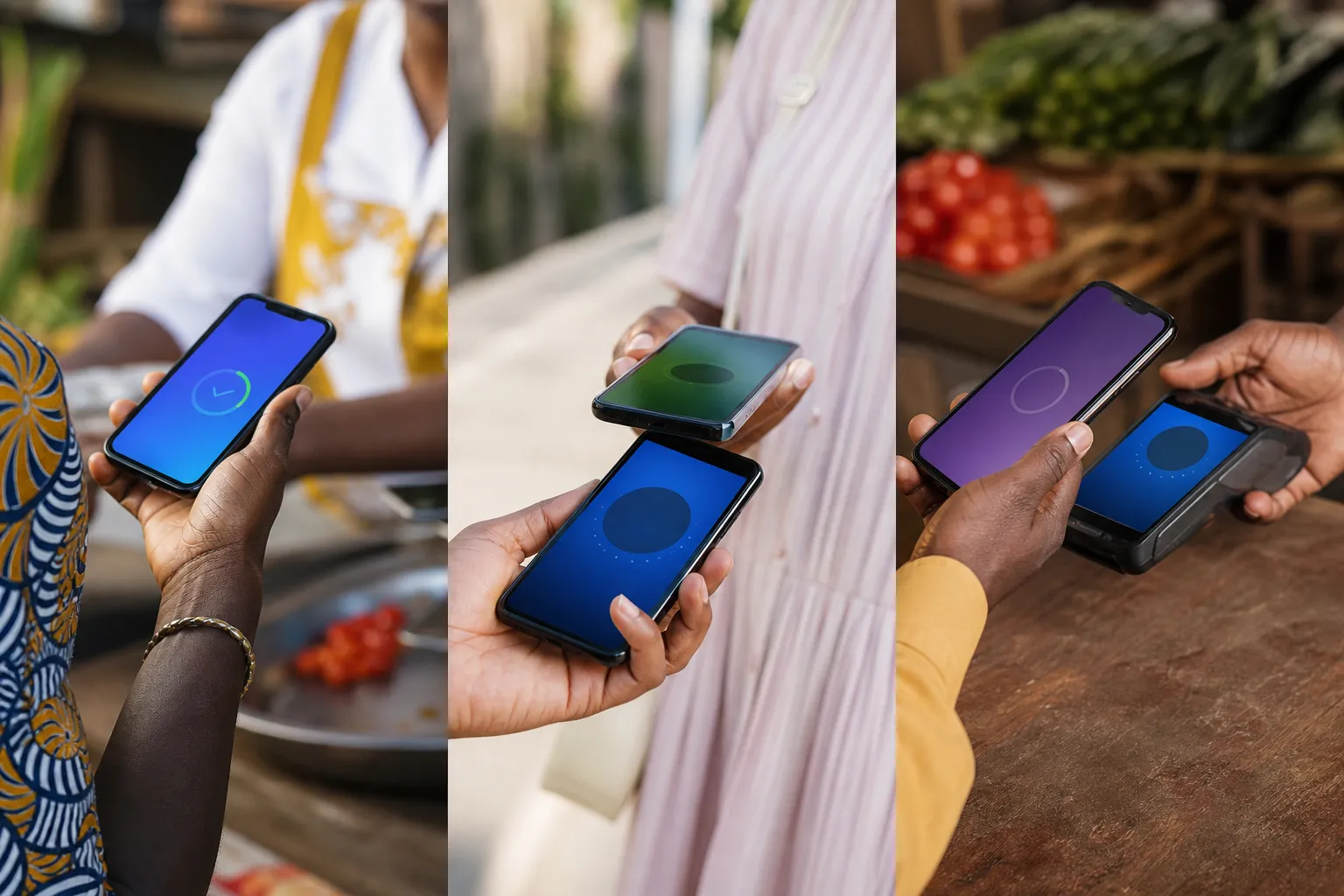
Ghana, Mauritius and Uganda are developing rules for stablecoins and other digital assets. Regulators in these countries are working on common standards and testing new mechanisms, with the longer-term goal of simplifying operations for licensed companies across different markets. Daily Maverick reports.
Stablecoins are digital tokens designed to maintain a relatively stable value against a specific asset, most often the US dollar. Unlike bitcoin, they are pegged to an underlying asset and more closely resemble digital fiat money. In Africa, they are used primarily for cross-border payments, where bank transfers can be slow, expensive or difficult to access.
Mobile money and digital tokens
The widespread use of mobile money could give African users and businesses an advantage in adopting tokenized financial instruments. According to GSMA, mobile money services worldwide processed more than $2 trillion in 2025, while the number of registered accounts reached 2.3 billion. Africa had more than 1.2 billion registered accounts and about 347 million active users. The continent accounted for nearly 65% of the global value of mobile money transactions — more than $1.4 trillion.
More current news is available on the UA.News Telegram channel Telegram.
Unlike a regular mobile money balance, a stablecoin can be transferred between compatible blockchain wallets without using a mobile money provider’s internal network. Yellow Card, which operates in more than 20 African countries, sees the greatest stablecoin activity in cross-border payments, liquidity management and transfers between African countries.
Separate regulatory approaches
Regulators in the three countries are considering stablecoins as a separate class of digital assets rather than merely part of general cryptocurrency rules. Uganda’s Capital Markets Authority is preparing a bill on virtual asset service providers, which is currently at the first-draft stage. Its approach is based on the principle of “same activity, same risk, same regulation”: tokens that function as money would be subject to licensing, custody and reserve requirements.
The Bank of Ghana is considering a licence for locally issued stablecoins, which are expected to be predominantly denominated in Ghanaian cedis, as well as separate rules for foreign-currency tokens. In mid-August, the Mauritius Financial Services Commission issued guidance on reserves, redemption rights, asset custody and disclosures. Ghana and Rwanda have also concluded an agreement on mutual recognition of fintech licences. At the same time, a representative of the Mauritian regulator noted that broader mutual recognition of licences would only be possible at a later stage, after data exchange and a joint pilot project.
Download our app

Credit: Source link