

Explainer: Why Guinea-Bissau is changing its constitution
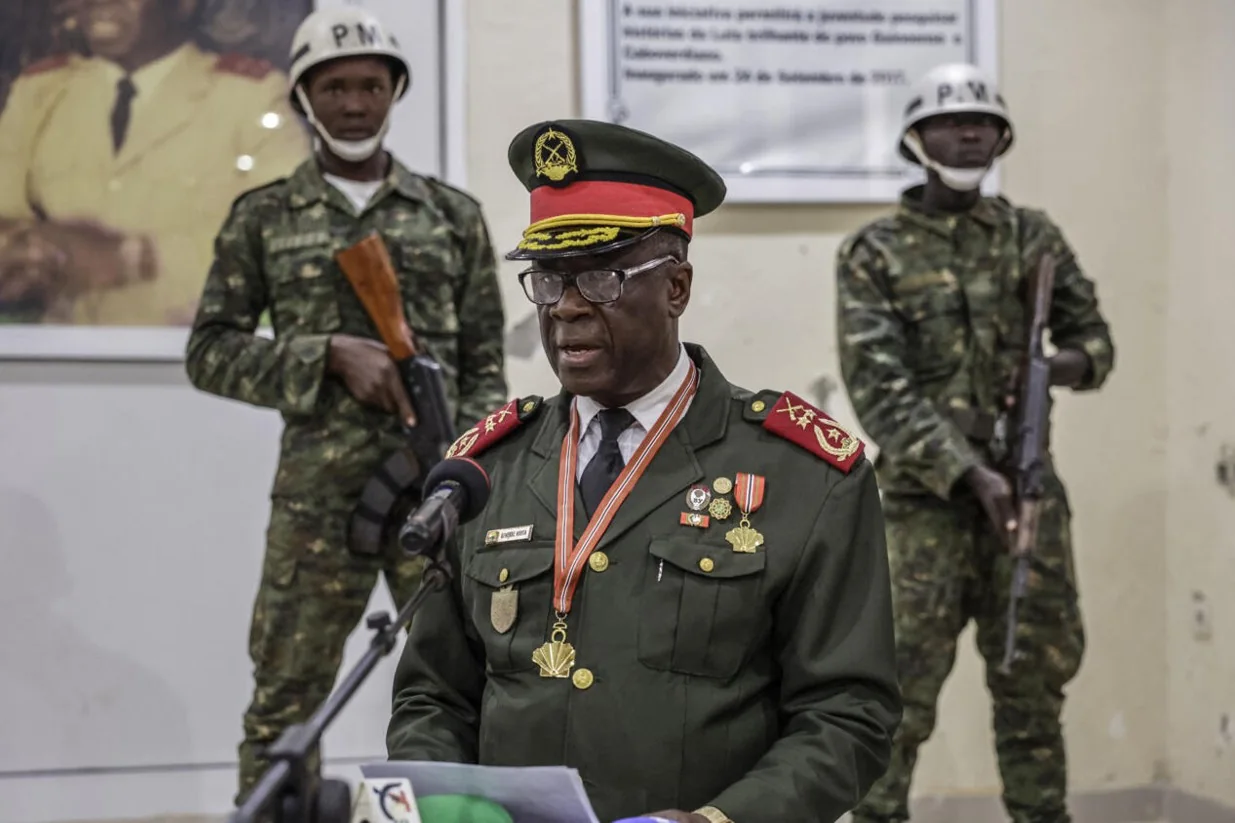
Guinea-Bissau will, on Sunday, August 30, vote on a proposed new constitution that would change how the country is governed and how its political institutions are organised.
The vote comes as the West African country prepares to return to elected government following a military takeover in November 2025, with presidential and legislative elections due in December.
Why is the country changing its constitution?
The proposed changes are rooted in the events of November 26, 2025, when the military seized power as Guinea-Bissau was awaiting the results of presidential and legislative elections held three days earlier.
General Horta Inta-A Na Man, who was then army chief of staff, took over as transitional president after President Umaro Sissoco Embaló was removed. The military authorities subsequently halted the electoral process and established a National Transitional Council (CNT) to exercise legislative powers during the transition.
The CNT approved the proposed constitution in January, paving the way for Sunday’s referendum. Under the transition arrangements, Horta and the transitional prime minister are barred from contesting the elections scheduled for December. This makes the referendum an important step in determining the political system that will be in place when the country returns to elected rule.
What would change?
The proposed constitution would give the president significantly greater control over the government. Guinea-Bissau currently operates under a semi-presidential system, in which executive responsibilities are shared between the president and prime minister.
Under the proposed system, the president would have the power to appoint and dismiss the prime minister and members of the government. The president would also chair the Council of Ministers and be able to create or abolish ministries.
The changes would extend beyond the executive, with Parliament reduced from 102 seats to 65 while the number of electoral constituencies would fall from 29 to 12.
The proposed constitution would also introduce new requirements for presidential candidates. They would have to have lived permanently in Guinea-Bissau for the five years before an election and pay a 50 million West African CFA franc (Sh11.5 million) deposit.
Political parties sponsoring presidential candidates would also need at least 5,000 members, including 300 in each region. The constitution would also establish a Constitutional Court.
Why is the referendum controversial?
Supporters of the reforms argue that a stronger presidency could help reduce the political disputes that have repeatedly developed between presidents, prime ministers and parliament.
Opponents fear the changes would concentrate too much power in the presidency and weaken parliament and other checks on executive authority.
The process itself has also become a point of dispute. The constitution was drafted and approved during a military-led transition, rather than through an elected parliament. Critics have questioned whether the process was sufficiently inclusive.
The African Party for the Independence of Guinea and Cape Verde (PAIGC), one of the country’s main opposition parties, has rejected the referendum and called for a boycott.
Critics have also questioned the reduction in electoral constituencies and the new financial and membership requirements for presidential candidates, saying they could make it harder for smaller political parties and movements to compete.
What does the vote mean for December?
The outcome will shape the political system under which Guinea-Bissau holds its December 6 presidential and legislative elections.
A yes vote would put the proposed constitution into effect, giving the next elected president greater powers while reducing the size of parliament and changing the electoral system.
A no vote would reject the proposed constitution and leave the question of constitutional reform unresolved.
Credit: Source link