

Guinea-Bissau to vote on expanding presidential powers
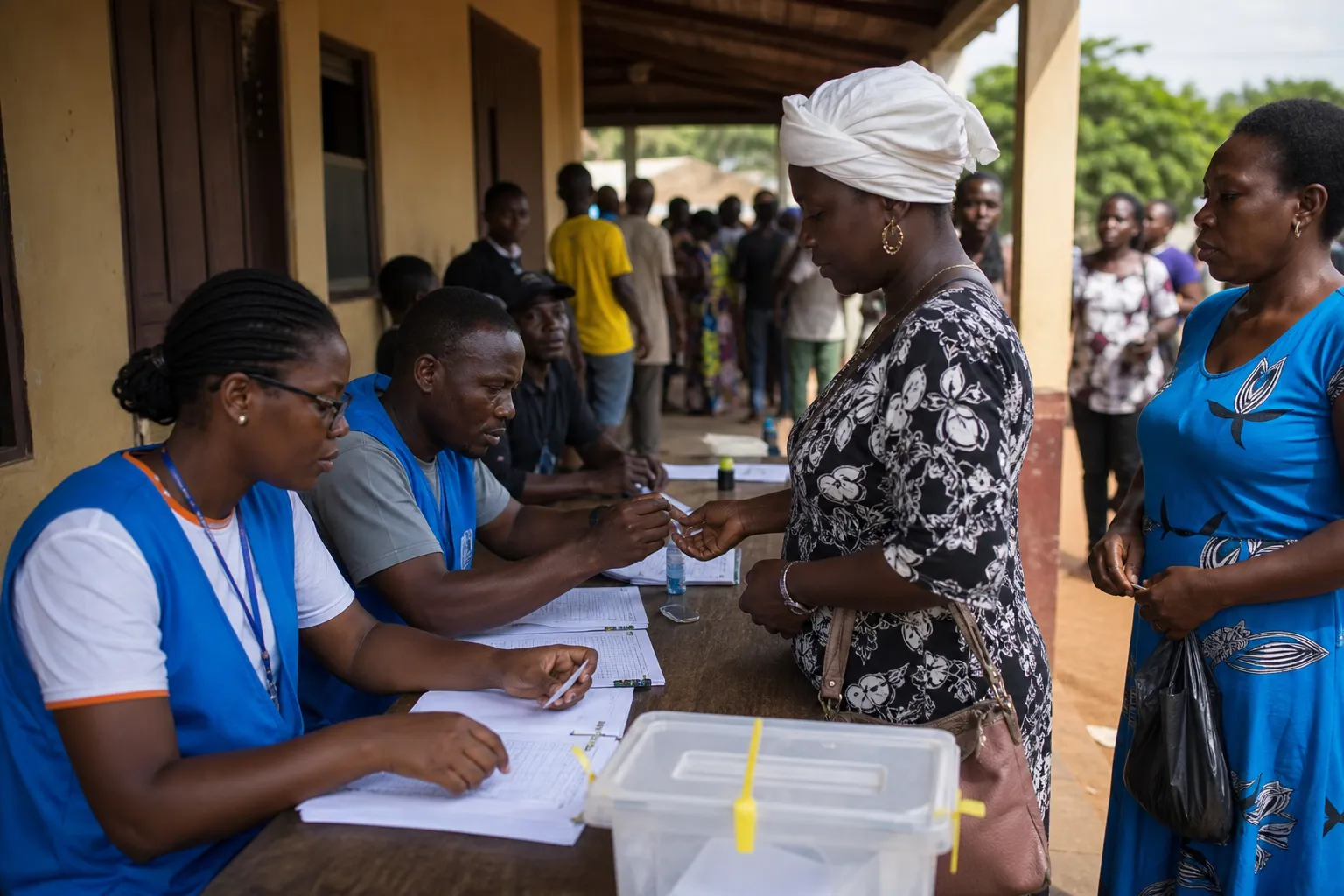
In Guinea-Bissau, where the military is in power, a referendum on a new constitution that could grant the president more powers is due to take place on August 30. The vote is scheduled ahead of general elections that are intended to return the country to civilian rule by the end of the year, Euronews reports.
The new constitution was presented by unelected transitional bodies that emerged after the military coup in November. The transitional authorities defend the document and the legitimacy of the procedure for its adoption.
Opposition calls for a boycott
The main opposition African Party for the Independence of Guinea and Cape Verde (PAIGC) called on voters to boycott the referendum. The party described the vote as an attempt to create an appearance of legitimacy for the new constitution and stated that the bodies created after the coup lack democratic legitimacy.
Boubacar Touré, head of the Guinean Human Rights League, told Euronews that only supporters of adopting the document are conducting the official campaign in all regions. According to him, opponents of the constitution were not allowed to campaign, and several freedoms in the country have been suspended. Touré also said that both political parties and civil society organizations are calling for a boycott.
More current news is available on the UA.News Telegram channel Telegram.
Concerns over the constitutional text
Touré believes that the document provides for an excessive concentration of power in the hands of the president: the head of state will chair the Council of Ministers. The post of prime minister will remain, but the procedure for appointing one will change. The human rights defender believes that the new provisions could call into question the significance of parliamentary elections.
Touré also noted that the section on constitutional revision had been removed from the text. According to him, the new constitution has already been published in the official gazette, so he questioned the legal significance of the referendum.
University lecturer and commentator Talmilton Teixeira also criticized the procedure. He noted that the need for constitutional reform in the country had long been discussed, but believed it should have been carried out through a lawful and democratic process. Teixeira added that a boycott was not the best strategy for the opposition, which he believes is currently disorganized.
International reaction
Following the coup, Guinea-Bissau was suspended from participation in the Economic Community of West African States, the African Union and the Community of Portuguese Language Countries. Teixeira said that the European Union should respond more firmly to the situation, including by considering the imposition of sanctions.
Download our app

Credit: Source link