

Expert calls for broader AI and technology integration to strengthen Arab-Brazil economic ties
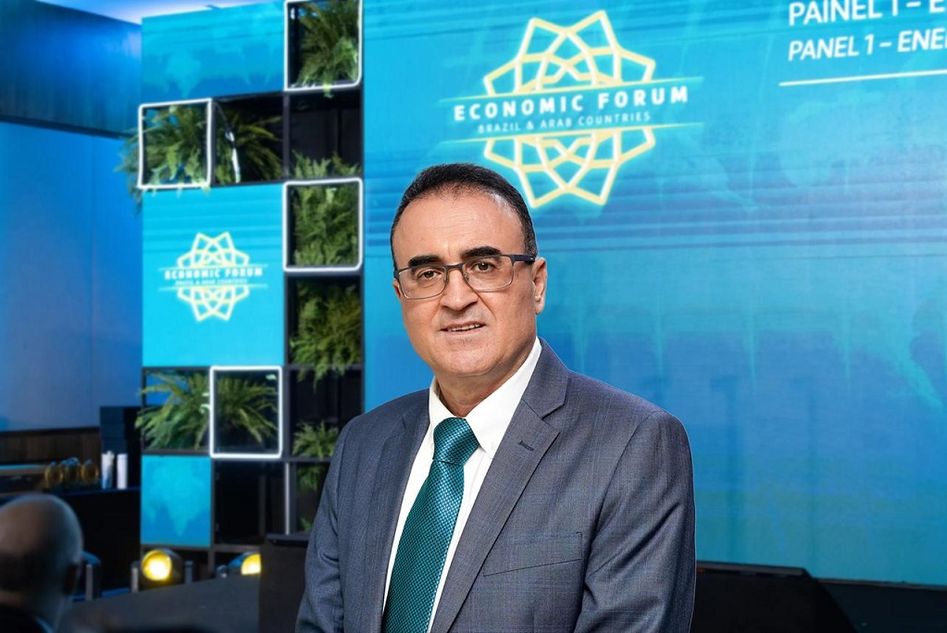
- Dr. Abou Zaki: ‘The key challenges in Arab – Brazil relations have always been distance and language; advanced technologies and AI are helping to overcome them.’
- He outlined a set of initiatives that form a roadmap for stronger cross-border relations.
- Initiatives include AI trade bridge, digital matchmaking platform, live trilingual platform, year-round B2B virtual business events, cross-border fintech partnership, startup accelerator, and cross-border talent exchange.
Strengthening economic ties between the Arab world and Brazil will require a strategic transition from traditional trade towards more digitally enabled collaboration, where artificial intelligence (AI), fintech and advanced technologies create new opportunities for businesses across both regions, Dr. Nidal Abou Zaki, Managing Director of Orient Planet Group (OPG), highlighted during a panel discussion at the 5th edition of the Brazil and Arab Countries Economic Forum 2026, organised by the Arab Brazilian Chamber of Commerce (ABCC).
During the panel titled ‘Digital Economy, AI & New Generation of Consumers’, Dr. Abou Zaki outlined a set of initiative ideas aimed at leveraging cutting-edge technologies to overcome geographical distance and language barriers and to build stronger commercial and institutional ties between Arab and Brazilian markets. A key proposal from his side was an AI trade bridge, an integrated platform offering businesses real-time demand forecasts, faster customs clearance, and live market dashboards. Such a platform will help to shift from reactive trade towards proactive, data-driven planning.
He urged ABCC to integrate its long-running matchmaking efforts into a digital platform, which offers recurring online sessions connecting businesses in both markets throughout the year. Dr. Abou Zaki said this shift would extend the benefits of Arab-Brazil trade beyond large conglomerates to small and medium-sized enterprises (SMEs), enabling them to enter new markets. He further proposed a live trilingual deal platform that covers English, Arabic, and Portuguese, where businesses can find partners, verify credentials, and draft contracts without the language barrier.
Dr. Abou Zaki further proposed year-round, sector-specific B2B virtual business events connecting investors with business communities in Brazil and the Arab world, extending participation beyond capital cities to manufacturers in remote regions who cannot travel internationally. In the financial sector, he suggested a cross-border fintech partnership linking Brazil’s Pix payment system with Arab countries’ payment systems, making cross-border transactions as seamless as domestic transfers, especially to support SMEs and startups. With Brazil hosting over 20,000 active startups, he called for a joint startup accelerator providing both Brazilian and Gulf-based startups, including student and early-career founders, with funding, mentorship and access to both markets from an early stage.
Emphasising the value of human capital in a sustainable economic relationship, Dr. Abou Zaki proposed a cross-border talent exchange that would enable young professionals in Brazil and the Arab world to collaborate remotely on projects in areas including fintech, content creation and gaming. This will build a generation of professionals familiar with both Arab and Brazil markets and strengthen the relationship beyond trade and government cooperation.
Dr. Abou Zaki said: “The fundamental step in further strengthening Arab-Brazil relations will be overcoming the barrier of geographical distance; technology gives us the perfect solution for this. AI, digital platforms and fintech can help us move from traditional trade towards a more connected, proactive and innovation-led relationship. This shift gives an opportunity to build the digital infrastructure, strengthen talent networks and nurture innovation ecosystems that can shape the next generation of Arab-Brazil economic cooperation.”
Arab- Brazil ties beyond traditional trade
The Arab world and Brazil boast a strong relationship that extends back more than a century through migration, with diplomatic relations formally established in the 1970s. Since then, bilateral trade developed significantly, reaching a record USD 33.87 billion in 2024, while Brazilian exports to Arab countries reached USD 23.68 billion during the same year. Building on this momentum, the Arab countries are currently positioned as the third-leading destination for Brazilian exports.
Despite this strong commercial foundation, Dr. Abou Zaki said the economic relationship between these regions is limited to sectors such as food and oil and gas, and it is yet to explore the potential of digital infrastructure and emerging technologies. With Brazil standing as the largest and most advanced innovation and startup ecosystem in South America, there is significant scope for the country’s SMEs and innovative startups to expand into Arab markets.
During the forum, Dr. Abou Zaki highlighted the prospect for greater diversification beyond established sectors, pointing to opportunities in fintech, AI, cybersecurity and other technology-driven industries. Gulf countries are making significant investments in sovereign AI infrastructure, while the wider Arab world is experiencing rapid growth in eCommerce, driven by a young and highly connected population. The convergence of these trends creates an opportunity for Brazil and the Arab world to build stronger technology and innovation partnerships.
Today, AI is becoming a key driver of economic competitiveness and investment. The technology is projected to contribute up to USD 320 billion to the Middle East economy by 2030. He stressed that both regions have populations that are early adopters of AI-enabled digital tools, creating a rare alignment between technological readiness, market demand and innovation potential.
AI shaping the future of marketing and commerce
Dr. Abou Zaki also shed light on the transformation of marketing and eCommerce as sophisticated AI tools are being integrated into consumer and business activities. While AI can automate routine activities, human judgement remains essential, as the technology cannot be a replacement for it. He noted three pillars that will shape the future of marketing: human creativity, strategic thinking and the effective use of AI tools.
While discussing the evolution of eCommerce, he said AI is moving the sector towards what can increasingly be described as ‘intelligent shopping’, where technology plays a greater role in understanding consumer intent, preferences and purchasing decisions.
Dr. Abou Zaki concluded by emphasising that the next phase of Arab-Brazil relations will depend on both regions’ ability to turn their existing economic ties into a broader partnership built around technology, innovation, talent and digital infrastructure. By creating practical roadmaps for trade, investment and collaboration, Brazil and the Arab world can build a more resilient relationship capable of responding to the opportunities created by the AI-driven economy.
The fifth edition of the Brazil and Arab Countries Economic Forum brought together business leaders, technology experts, economists and other stakeholders from Brazil and the 22 Arab countries to explore opportunities for strengthening economic and technological cooperation between the two regions. Discussions of this year’s forum focused on the evolving role of AI, the digital economy, new-generation consumers and the opportunities created by greater digital connectivity between Brazil and the Arab world.
For further information, please contact:
Orient Planet Group (OPG)
Tel: +971 4 4562888
Email: media@orientplanet.com
Website: www.orientplanet.com
Disclaimer: The contents of this press release was provided from an external third party provider. This website is not responsible for, and does not control, such external content. This content is provided on an “as is” and “as available” basis and has not been edited in any way. Neither this website nor our affiliates guarantee the accuracy of or endorse the views or opinions expressed in this press release.
© ZAWYA 2026