

EU to Approve New Russia Sanctions After Deadly Attacks
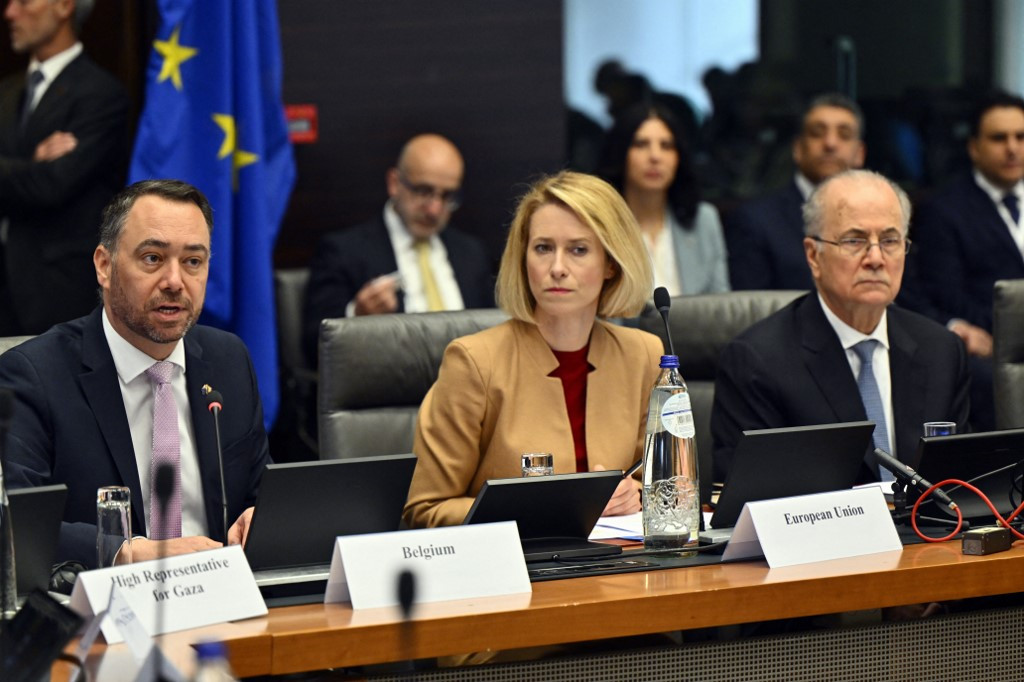
The EU is expected to approve a new package of sanctions against Russia on July 13 in response to Moscow’s recent large-scale missile and drone attacks on Ukraine, European Pravda reported.
The measures are expected to be adopted during a meeting of the EU Foreign Affairs Council, according to the outlet’s EU sources.
JOIN US ON TELEGRAM
Follow our coverage of the war on the @Kyivpost_official.
According to European Pravda’s Thursday report, the sanctions proposal was introduced on Friday, July 3, following Russia’s massive overnight attack on Kyiv a day prior and has received broad support among EU member states.
On Wednesday, the Committee of Permanent Representatives (Coreper) discussed the proposed measures and referred them to the Working Party of Foreign Relations Counsellors (RELEX) for final preparations ahead of Monday’s approval.
The package is expected to target five legal entities and one individual involved in developing and manufacturing components that enhance the combat capabilities of Russia’s Shahed and Geran attack drones.
Last week, EU foreign policy chief Kaja Kallas said she would propose expanding sanctions against companies supporting Russia’s military-industrial complex in response to the latest wave of Russian attacks on Ukraine.
The EU has steadily expanded sanctions against Russia since the start of its full-scale invasion of Ukraine in 2022, targeting the country’s financial sector, energy exports, defense industry, and individuals supporting the Kremlin’s war effort.
Other Topics of Interest
Russia Reports Fresh Drone Attack on Tankers in Taganrog Bay, Fires Break Out
The reported attack marks the second time this week Russian authorities have acknowledged drone strikes on tankers in the Taganrog Bay.
Other EU sanctions
The latest major package, adopted in late June, added 34 individuals and 47 entities to the EU sanctions list. Those measures targeted companies linked to Russia’s military-industrial complex, including drone manufacturers and suppliers operating in Russia and China, as well as businesses involved in producing equipment used on the battlefield.
The package also focused on Russia’s so-called “shadow fleet” – a network of aging tankers and intermediary companies used to transport Russian oil while bypassing Western sanctions and the G7 oil price cap.
The EU imposed restrictions on 24 companies and two individuals allegedly involved in maintaining these exports, which remain a key source of revenue for Moscow’s wartime budget.
In addition, Brussels sanctioned several Russian state propagandists accused of spreading disinformation supporting the invasion of Ukraine and imposed new restrictions on officials linked to the poisoning, imprisonment, and death of Russian opposition leader Alexei Navalny.
Alongside the new listings, the EU extended sanctions related to Russia’s illegal occupation of Crimea and Sevastopol until June 23, 2027, maintaining restrictions on trade, investment, and tourism connected with the occupied peninsula.
European officials have repeatedly argued that sanctions are intended to weaken Russia’s ability to finance its war by limiting access to technology, reducing energy revenues, and disrupting supply chains supporting Moscow’s military production.