

El-Obeid: fears of a new wave of brutality in Sudan
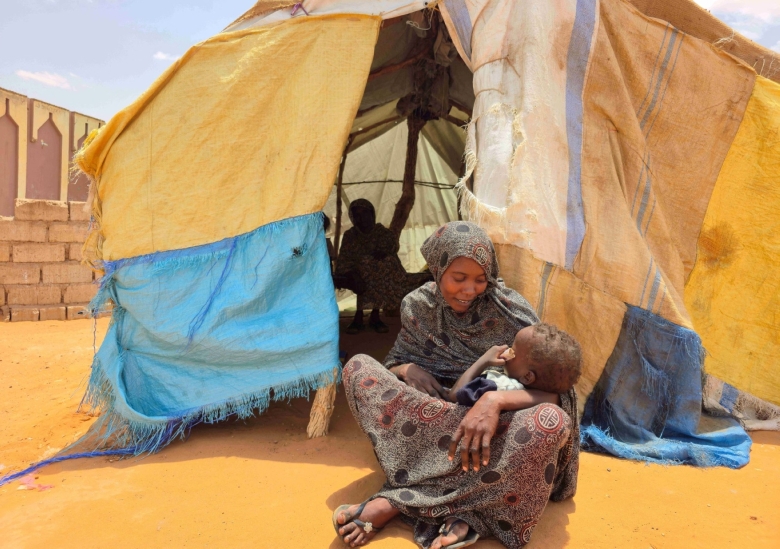
SAF General Abdel Fattah al-Burhan is determined to do so, and to “liberate Darfur,” even though few think that possible for now. In reality, El-Obeid is the SAF’s final defensive wall. If the RSF take the city, it would effectively consolidate control over the wider Kordofan region and its three states: North, South and West Kordofan. It already controls parts of Kordofan, particularly West Kordofan, which is a main gateway to Darfur, and is working with the Sudan People’s Liberation Movement in destabilising parts of South and North Kordofan. Informed sources have confirmed the movement of large RSF columns towards towns in North Kordofan and towards El-Obeid itself.
From the paramilitary force’s perspective, El-Obeid forms a forward defensive barrier protecting the territories it holds in Darfur and West Kordofan. It also carries considerable weight in the propaganda war; its fall would shatter the army’s claim that the liberation of Darfur is drawing near. Losing a major central city such as El-Obeid would cause the SAF narrative to unravel and hand the RSF a major psychological victory, boosting its fighters’ morale.
Victories and threats
In recent days, the army has captured several towns and areas in North Kordofan that had been under RSF control, following a series of swift engagements that took its adversary by surprise. Among the most important are Umm Sayala and Jabra al-Sheikh, situated to the north and north-east of El-Obeid, roughly 200km away. More significant is Bara, a major town with a sizeable population, considerable economic importance, and a strategic position only 45km north-east of El-Obeid.
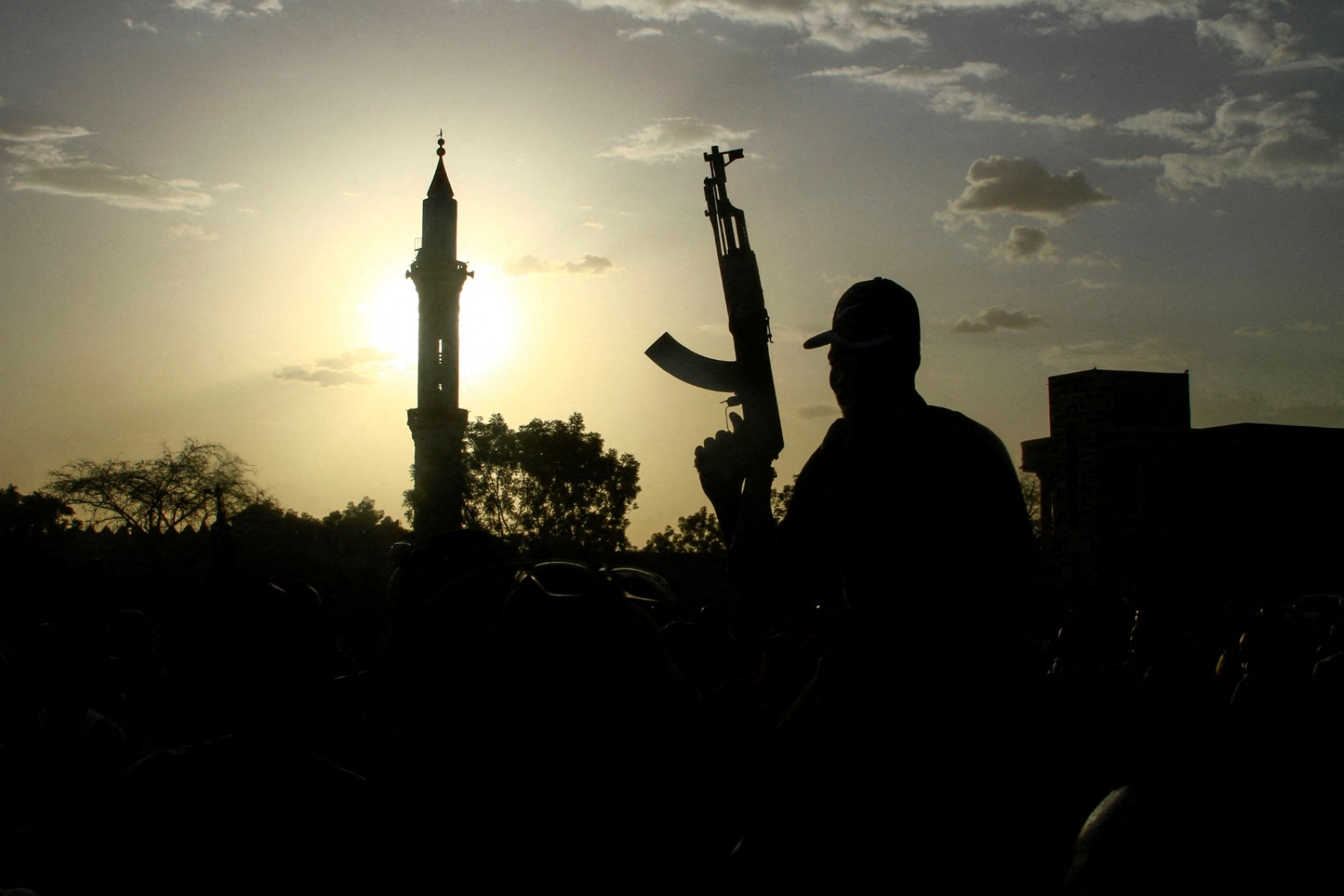
All the towns recently seized by the army lie along the road leading to Omdurman in the capital, Khartoum. Known as the Export Road, this route indicates that the advance is intended, in military and strategic terms, primarily to protect the capital and central Sudan, as well as El-Obeid itself, from the dangers already outlined. Yet despite the army’s advance to the north and north-east, and its success in securing arteries, the RSF siege remains firmly in place to the west, south, and south-west. This poses the gravest danger to the city.
The army’s victories in the northern and north-eastern approaches to El-Obeid have given it an important sense of progress, while spreading frustration through RSF ranks, but no one doubts that a storm is coming. In two successive speeches, RSF commander Mohamed Hamdan Dagalo (known as Hemedti) has sought to rally his fighters, promising promotions and money if they show greater resolve in battle. The capital, Khartoum, is the RSF’s objective, but its immediate target is El-Obeid.
Warnings without effect
In June, Norwegian diplomat Tormod Endresen addressed the UN Human Rights Council in Geneva to warn of the brutality facing civilians in El-Obeid. “An imminent danger threatens nearly 500,000, including more than 100,000 displaced,” he said. The Coalition for Atrocity Prevention and Justice in Sudan (which includes Britain, France, Germany, the Netherlands, Ireland and Canada) had earlier issued a similar warning.
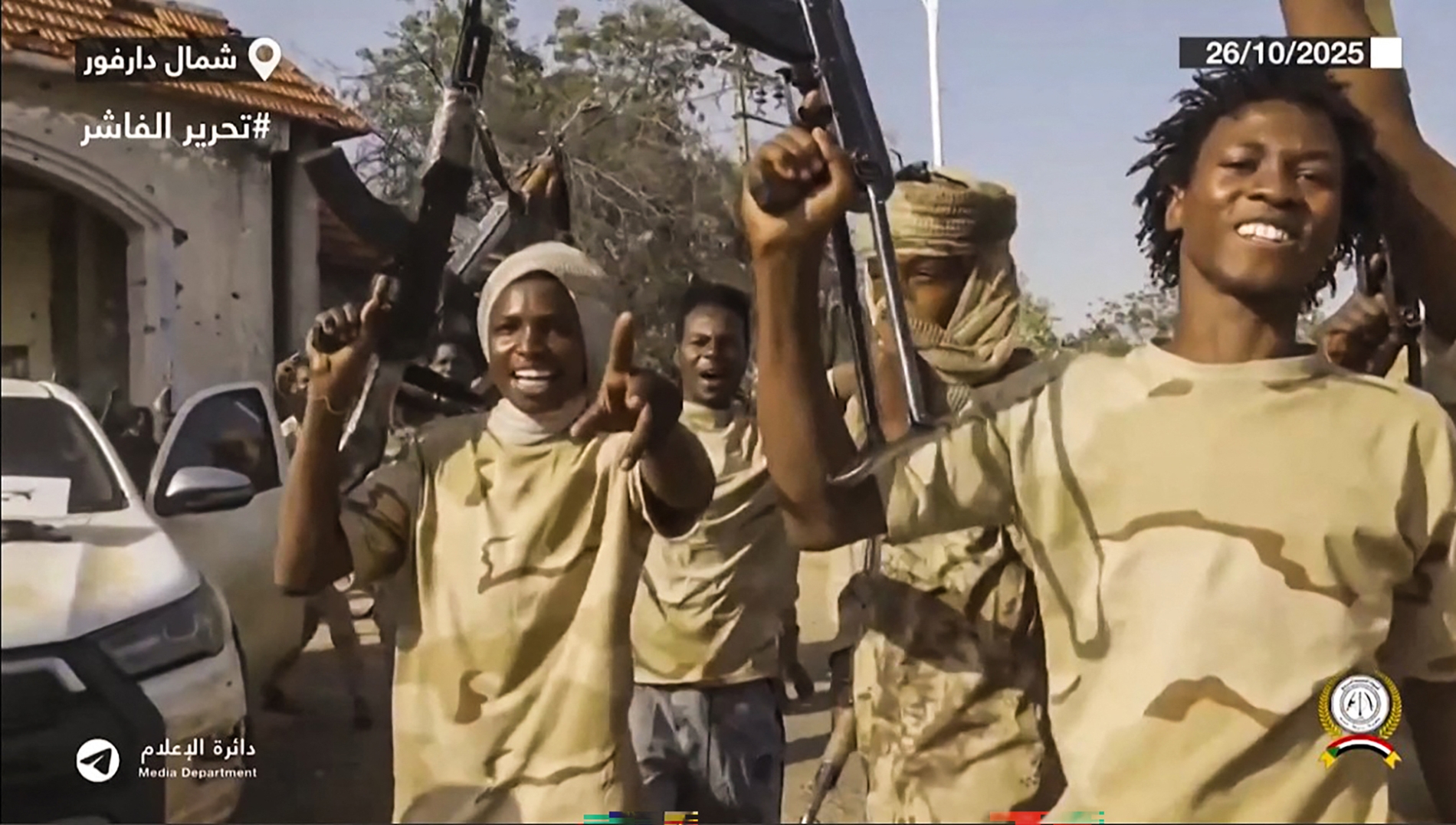
In El-Fasher, the international community failed to prevent the brutality and abuse that had been predicted months earlier, suggesting that such warnings alone carry little weight in practice. For those who still think peace talks may work, Hemedti’s latest speech was of note. “They keep fobbing us off with Panadol while the other side does whatever it wants,” he said. “We will not listen to anyone.” It was seen as a reference to requests from abroad that his forces refrain from storming El-Obeid.
It shows how the international community has no effective means of preventing either side from advancing militarily, showing that statements from diplomats and coalitions carry no weight. With that in mind, preventing a devastating confrontation in El-Obeid will be extraordinarily difficult and require more than appeals and concern.
Credit: Source link