

Egypt unearths remains of Horus Temple, Ramesses II artefacts in Ismailia
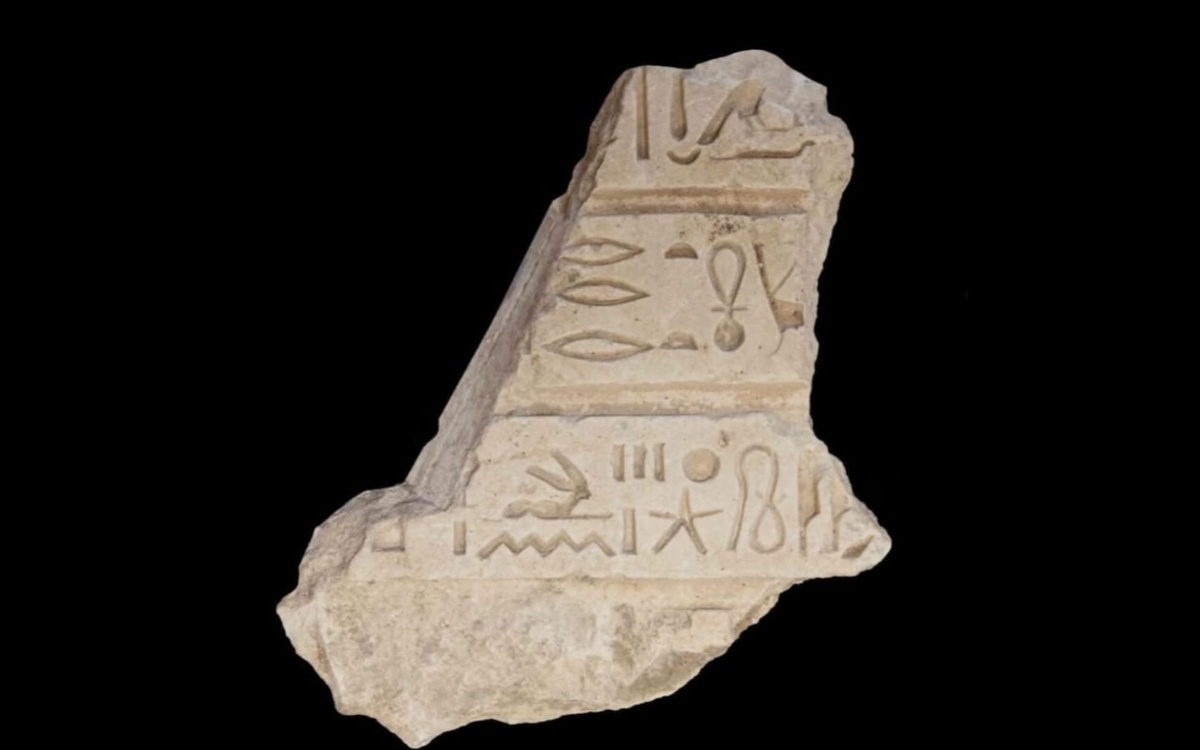
In an official statement on Saturday, the Ministry revealed that the finds include part of a massive stone entrance from the era of Ramesses II bearing his royal titles and an inscription recording the restoration of a statue dedicated to “Horus, Lord of Mesen.” The excavation also uncovered storage and service rooms, a sanctuary area, a Ptolemaic-era stone road beneath a later Roman road, and several complete and fragmented statues spanning multiple historical epochs.
Excavations showed that the temple reached its peak during the Ptolemaic Period before parts of the site were repurposed as military barracks during the 3rd century AD and later converted into a limestone quarry in the late Roman era.
Sherif Fathy, Minister of Tourism and Antiquities, emphasised that the discovery highlights the strategic and historical significance of the region in safeguarding Egypt’s eastern borders, helping archaeologists reconstruct the historical layout of the ancient Way of Horus military route and its garrison stations.
Earlier, Qazinform News Agency reported that an exhibition in Taraz, Kazakhstan, unveiled 104 ancient coins and artifacts from the Karakhanid era, shedding light on the city’s medieval trade and its role on the Silk Road.
Credit: Source link