

Egypt revives aging Zafarana wind site with $2.5 billion Alcazar Energy hybrid project
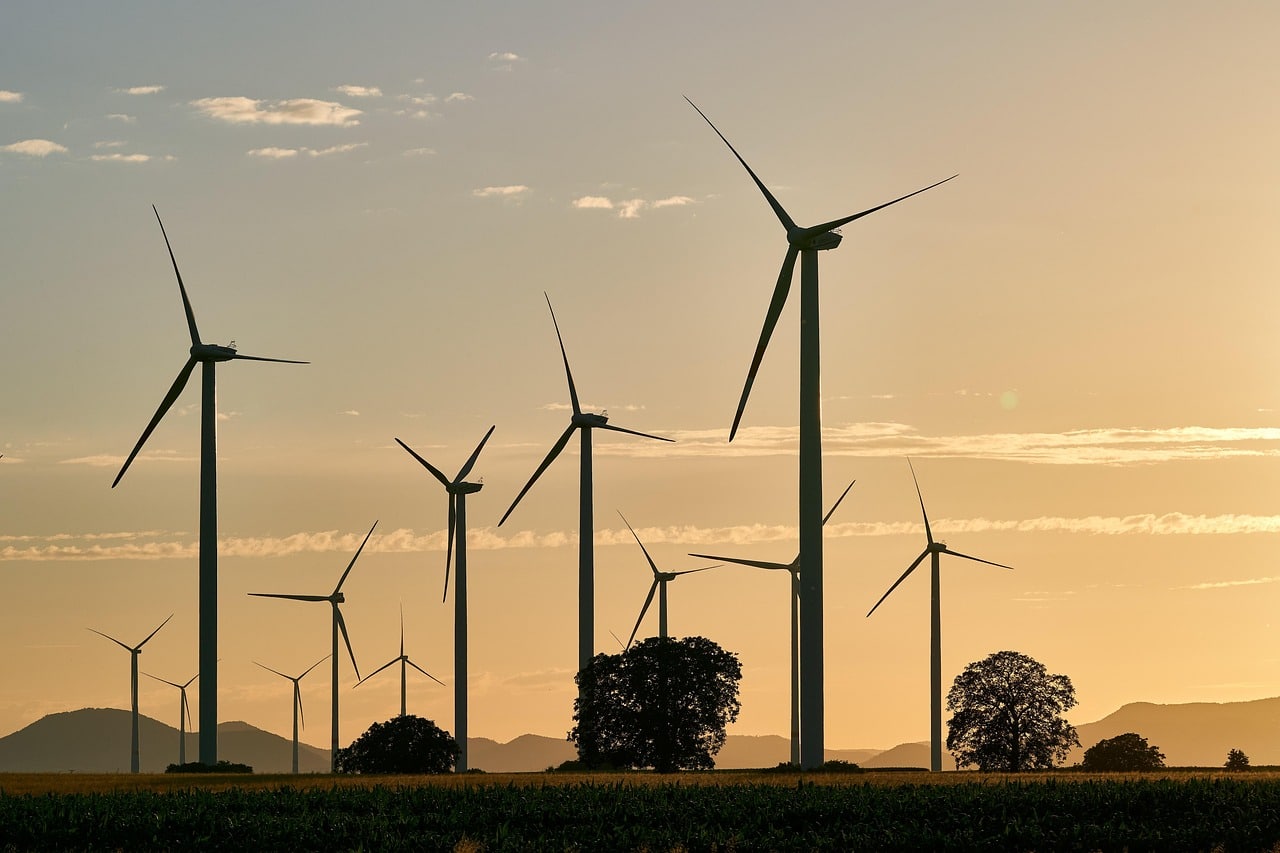
Egypt’s state-owned Egyptian Electricity Transmission Company (EETC) has signed a power purchase agreement (PPA) with UAE-based Alcazar Energy to repower the Zafarana wind farm, where roughly 700 of 2,000 installed turbines have reached the end of their operational life.
Egypt’s Cabinet approved the PPA on 30 July, alongside a land usufruct agreement between the New and Renewable Energy Authority (NREA) — the government body responsible for developing renewable energy projects in Egypt — and Alcazar Energy.
The deal covers a 407 MW wind farm to be developed under a build-own-operate model, with EETC purchasing all generated electricity at competitive rates. Commercial operations are targeted for 2028, and the plant is expected to supply clean electricity to approximately 775,000 households.
The agreement sits within Alcazar Energy’s broader $2.5 billion hybrid renewable energy plan at Zafarana, which totals 3.1 GW and comprises 2 GW of solar and 1.1 GW of wind capacity. Egypt’s wider repowering vision for the site is more ambitious still — a 5.2 GW hybrid wind and solar facility that would exploit Zafarana’s existing proximity to transmission infrastructure and its well-documented wind resource along the Gulf of Suez corridor.
Zafarana has long been one of Africa’s most significant wind energy sites, but much of its installed base dates back to the early 2000s and is now ageing out of productive service.
The repowering strategy allows Egypt to extract far greater output from a location that already has grid connections in place — a meaningful advantage in markets where transmission bottlenecks frequently delay new renewable capacity.
For Alcazar Energy, the deal marks a substantial deepening of its footprint in North African energy infrastructure. The UAE-headquartered developer has been active across the Middle East and Africa, and the Zafarana commitment — anchored by a government-backed offtake agreement — represents one of the larger private renewable investments currently in motion on the continent.
The project also reflects a broader pattern of Gulf capital flowing into African energy transition assets, as regional investors seek long-duration infrastructure plays with sovereign-backed revenue streams.
Credit: Source link