

Editorial | As China deepens reforms, Zhu Rongji’s legacy serves as an inspiration
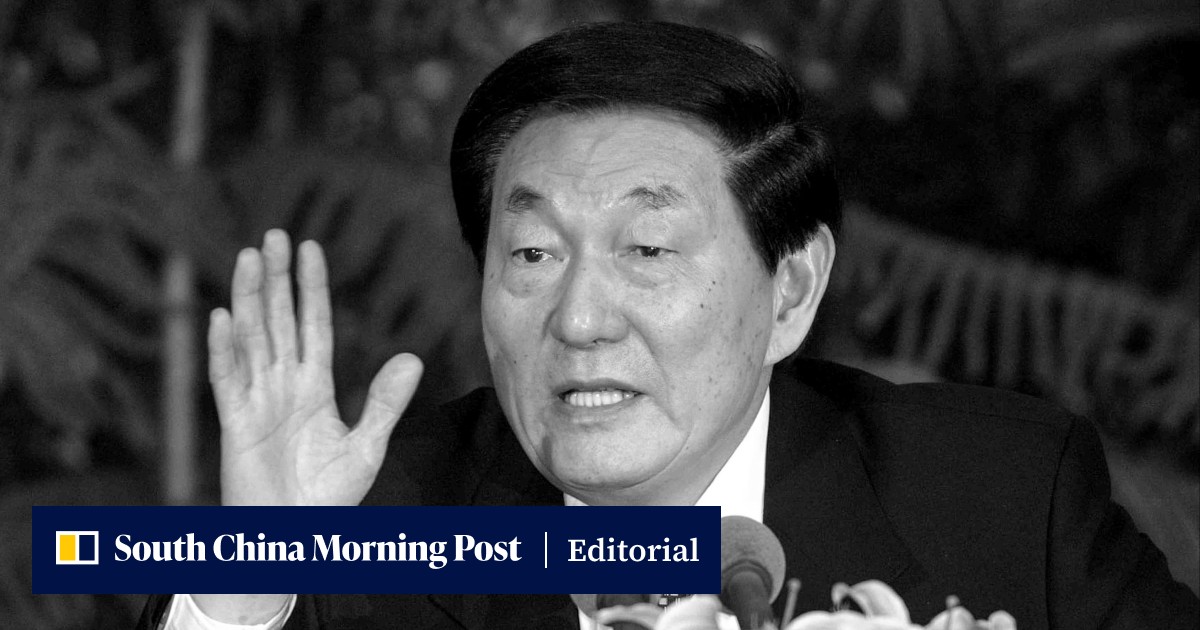
These were among the reforms during his tenure as vice-premier and premier between 1991 and 2003 that transformed the country’s economic system into that of a modern state which is now a cornerstone of the global economy. Let’s not forget an iron-willed fight against corruption that inspired a memorable expression of his determination at a press conference: “I’ll have 100 coffins prepared, 99 for corrupt officials and the last one for myself.”
History will record a quote at the beginning of his premiership: “Regardless of what lies ahead – be it a minefield or a deep abyss – I will forge ahead unswervingly, dedicating my entire life and energy to the country until my dying day.” As the South China Morning Post’s obituary rightly said, those words came to define the legacy of China’s “towering economic reformer”.
Even at this distance, with China now the world’s second-largest economy, it is fitting to pay tribute to Zhu’s boldness and pragmatism in engineering and pushing the country’s economic reform. It was when he succeeded Li Peng as premier in 1998 that China was shifting from a planned economy to a “socialist market economy with Chinese characteristics”. Zhu faced tremendous pressure in restructuring the country’s state-owned enterprises, which led to job cuts, public confusion and even anger.
Political and economic historians will chronicle two defining events during Zhu’s time as vice-premier and premier that resonate with Hong Kong as a free and open economy under the “one country, two systems” concept. One was China’s entry to the WTO in 2001, two years after Zhu had visited Washington to negotiate with the administration of then president Bill Clinton, who initially declined to finalise the agreement. Zhu also pressed on despite strong criticism within China of concessions to foreign companies. When China formally joined the WTO, he quipped that 15 years of negotiations had caused his “black hair to turn grey”. China’s accession to the WTO overhauled its economy and turned the country into the world’s leading manufacturing powerhouse.
Zhu will be remembered for his strong support of Hong Kong, especially his firm belief in the city’s future under one country, two systems and his full backing for Hong Kong during and after the 1997 Asian financial crisis. His insights and vision were instrumental in Beijing’s recognition of the importance of Hong Kong’s financial security as an open and free market.