

Ebola cases in DR Congo rise to 676 amid community transmission
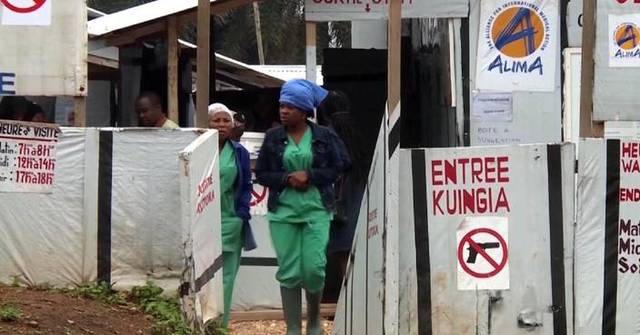
The number of confirmed Ebola cases in the Democratic Republic of the Congo (DRC) has risen to 676, including 136 deaths, as health authorities warned of continued community transmission and the risk of a sudden geographic expansion of the outbreak.
According to the latest situation report released on Thursday by the DRC’s health authorities, 41 new confirmed cases, including nine deaths, were reported on Wednesday in the provinces of Ituri and North Kivu.
The outbreak, caused by the Bundibugyo strain of the Ebola virus, has so far affected 29 health zones across three eastern provinces: Ituri, North Kivu and South Kivu.
The latest official assessment said confirmed cases have been increasing from week to week, indicating continued community transmission. It warned that a sudden geographic expansion of the outbreak is feared if public health measures are not implemented quickly.
Health authorities also said 5,768 contacts were under follow-up across the three affected provinces, with a follow-up rate of 71.8 percent. The report listed weak contact tracing as one of the main challenges, saying the current rate remains below the 95-percent target and could compromise efforts to interrupt transmission chains.
Two Ebola patients in Bunia, the capital of Ituri Province, were declared recovered, bringing the cumulative number of recoveries to 32, the report said.
The current Ebola outbreak in the DRC, the country’s 17th since the disease was first identified in 1976, was officially declared on May 15. The affected provinces, with a combined population of nearly 15 million, are marked by large-scale internal displacement and cross-border population movements toward neighboring countries, according to the report.
Ebola cases in DR Congo rise to 676 amid community transmission
U.S. stocks closed higher on Thursday after U.S. President Donald Trump announced he had called off planned strikes on Iran scheduled for the evening.
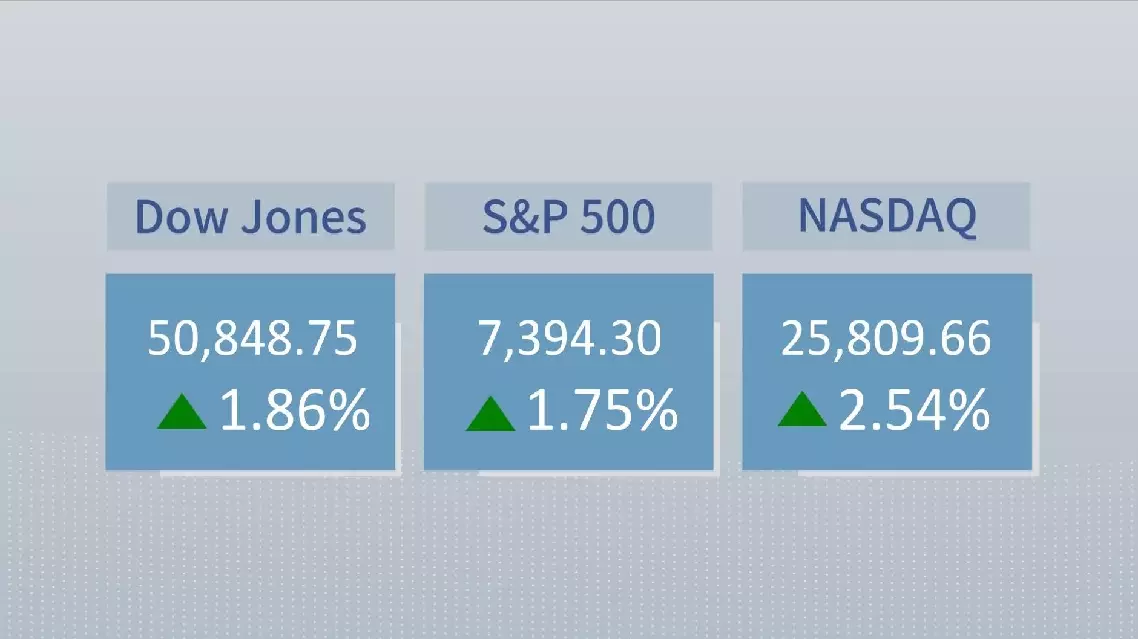
The Dow Jones Industrial Average rose 929.97 points, or 1.86 percent, to 50,848.75. The S&P 500 added 127.31 points, or 1.75 percent, to 7,394.30. The Nasdaq Composite Index increased by 640.158 points, or 2.54 percent, to 25,809.66.
Eight of the 11 primary S&P 500 sectors ended in the green, with materials and industrials leading the gainers by rising 3.26 percent and 3.25 percent, respectively. Energy and consumer staples led the laggards by decreasing 2.06 percent and 0.47 percent, respectively.
Oil prices dropped after Trump wrote on Truth Social that he had “cancelled the scheduled strikes and bombings against Iran this evening.”
The West Texas Intermediate for July delivery lost 2.32 U.S. dollars, or 2.58 percent, to settle at 87.71 dollars a barrel on the New York Mercantile Exchange. Brent crude for August delivery decreased by 2.72 dollars, or 2.92 percent, to settle at 90.38 dollars a barrel on the London ICE Futures Exchange.
Chipmakers led the advance, with notable gains in Micron Technology, Advanced Micro Devices, and Intel, which helped offset earlier pressure on the technology sector.
On the economic front, wholesale inflation for May came in higher than expected, the U.S. Bureau of Labor Statistics reported. The producer price index for final demand rose 1.1 percent from the previous month and 6.5 percent from a year earlier.
In corporate news, Oracle dropped 8.53 percent despite reporting quarterly earnings that beat analyst expectations, as investors reacted to disappointing cloud revenue growth and the company’s plans for an equity and debt offering.
The market’s primary focus this week remains Friday’s highly anticipated public debut of Elon Musk’s SpaceX, which is expected to be the largest initial public offering in history.
U.S. stocks rebound after Trump calls off strikes on Iran
Credit: Source link