

DR Congo’s Cobalt Miners Pivot To Copper Amid Price Crash
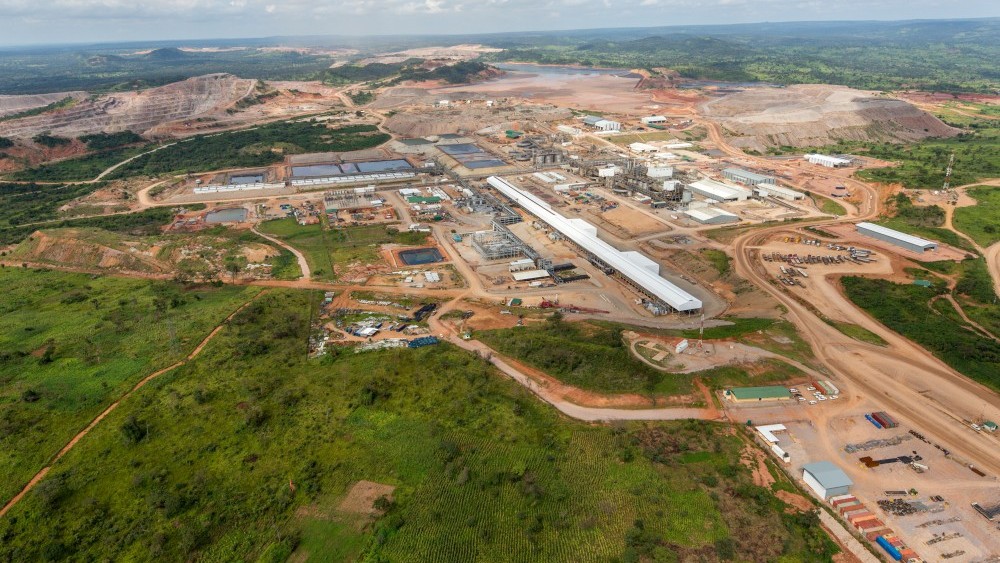
The Democratic Republic of Congo is leading a significant shift in mining strategy as producers cut back on cobalt after prices fell sharply under heavy oversupply and move capital into copper instead. Copper demand is rising fast, driven by AI data centers, electrification, and electric vehicles. But at the same time, supply is tightening due to declining ore grades and mine closures, pushing DRC miners toward a stronger market. The DRC has imposed strict export quotas, replacing its 2025 cobalt export ban with strict annual quotas of 96,600 tonnes for 2026 and 2027. The government enforces a strict deadline for quotas; for example, unused Q1 2026 allocations must be shipped by June 30 or be forfeited to the national strategic reserve.
The DRC is the world’s biggest cobalt producer, accounting for 70% of global supply. Cobalt prices spiked to more than $77,000 per metric ton in the immediate post-Covid era thanks to supply chain bottlenecks and surging EV demand; however, the rally started to run out of steam in 2023, with cobalt prices bottoming at $22,000/mt in 2025, a nine-year low driven by oversupply.
Cobalt is primarily used to produce rechargeable lithium-ion batteries for EVs and electronics, accounting for over half of global demand. Its high energy density and thermal stability make it essential for powering EVs and storing renewable energy. It is also critical for manufacturing high-temperature superalloys used in jet engines, as well as magnetic materials and blue pigments.
Cobalt is primarily a byproduct of copper mining, with ~ 99% of global cobalt production sourced from copper or nickel mining operations and only about 1% produced from primary cobalt mines. This has made it easier for miners like Glencore (OTCPK:GLCNF) to cut cobalt output while ramping up copper production. Indeed, the Swiss mining giant has adopted a “copper-first” strategy, pivoting its operations in the DRC to prioritize copper production over cobalt to maximize efficiency and manage export quota constraints. Glencore’s cobalt output in the country fell 39% Y/Y in the first quarter of 2026 to 5,800 tons, with the company relying on its existing inventories to meet near-term quotas. This strategy leaves surplus cobalt in the ground or in processing circuits to avoid high costs and regulatory hurdles related to shipping excess material. In contrast, Glencore recorded a 19% increase in copper production in Q1 2026.
Related: Big Oil Resists Push To Prioritize Output Growth
“Our DRC assets are now prioritising copper production as existing finished cobalt inventories are sufficient to fully deliver into near-term quota levels,” the company said.
Glencore’s Chinese peer CMOC (OTCPK:CMCLF) has adopted a different strategy, ramping up copper output but keeping cobalt production at elevated levels. Formerly known as China Molybdenum, CMOC has adopted this strategy in a bid to cement its position as the leading global supplier of battery metals. The company maintained its 2026 cobalt production guidance at 100,000 to 120,000 tonnes following a record output of 117,549 tonnes in 2025. CMOC will maintain its aggressive cobalt production strategy despite the ongoing global oversupply and domestic DRC export restrictions, with the company restricted to an approved export quota of ~31,200 tons for 2026, according to estimates based on late-2025 authorizations.
However, CMOC’s strategy has been working: CMOC’ preliminary net income climbed by approximately 50% in 2025 to over 20 billion yuan in the first quarter, thanks in large part to elevated copper prices. Copper prices hit a peak around $14,527/tonne on the London Metal Exchange (LME) early in the year, with a projected shortfall of 330,000 tonnes expected to keep prices high.
On its part, the Congolese government is using the structural shifts in the battery metals markets to boost its mining revenues and create local jobs. DR Congo is ending the era of cheap mineral access by enforcing strict cobalt export quotas to boost prices, encourage domestic processing and reward compliant miners.
Indeed, the quotas are expected to shift the market into a deficit, raising DRC’s export value by an estimated 24% by 2027 compared to 2024. ARECOMS, DRC’s mining regulator, says the government is implementing a 10% strategic quota carve-out on cobalt exports to reward mining companies that invest in local processing, aiming to boost domestic industrialization. The primary goal of the carve-out is to shift from raw mineral exports to value-added, domestic processing, creating local jobs and enhancing technical skills.
By Alex Kimani for Oilprice.com
Credit: Source link