
Diesel prices jump amid fighting in Russia, Iran, analyst says
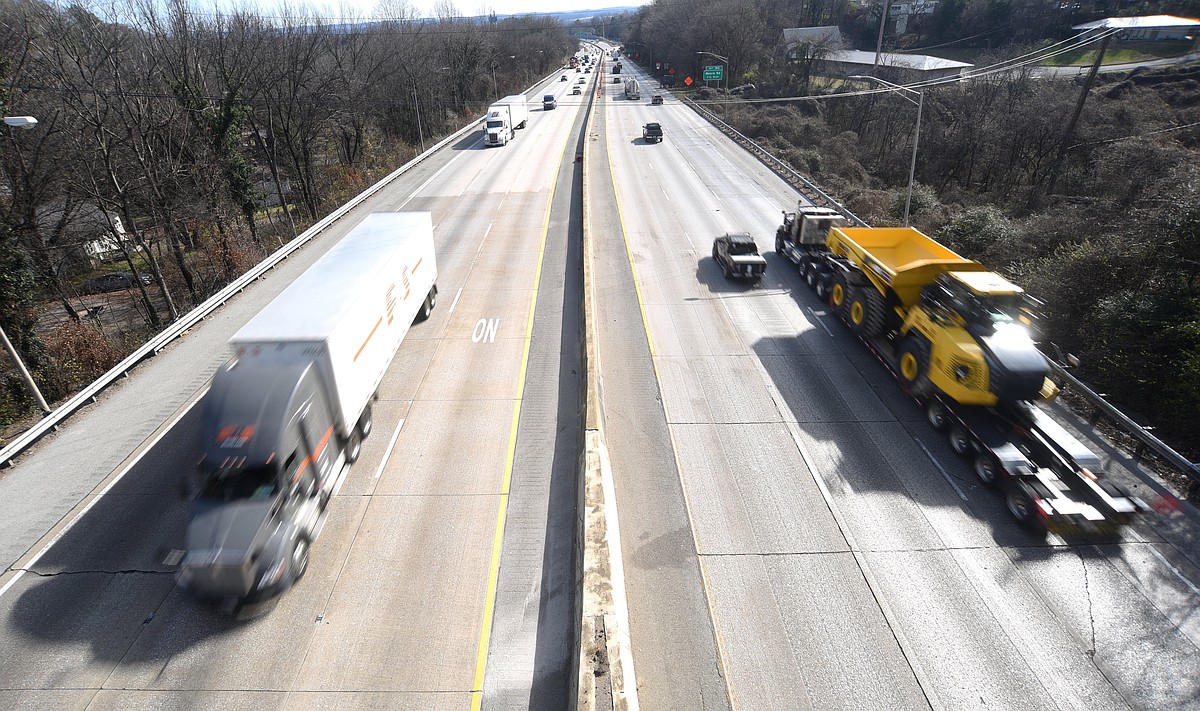
Ukrainian strikes on Russian oil refineries—combined with the ongoing conflict in Iran—have contributed to rising diesel prices in recent months.
“It’s getting uglier here by the moment today,” Patrick De Haan, the head of petroleum analysis for the company GasBuddy, said by phone Thursday. “Diesel is looking real bad.”
Chattanooga is home to a number of major motor carriers—notably Covenant Logistics and U.S. Xpress, a subsidiary of Knight-Swift. Stephen Burks, a professor of economics at the University of Minnesota Morris, said fuel prices are concerning for the logistics industry overall, but it’s not mission critical.
Growing fuel prices combined with a drop in supply have led to an increase in the rates charged for transporting cargo over the past several months, he said. That has helped blunt the worst of it for the industry.
(READ MORE: House Republicans adopt $95 billion package for the Iran war and Trump’s priorities)
“Rising fuel prices are a problem, but they aren’t as big a problem as you might think because rates have been going up correspondingly, and in many segments, at a faster rate,” Burks said by phone.
Still, the odds are growing, De Haan said, that diesel prices could hit a record high by Labor Day. According to data from AAA, the national average Friday was $5.24 per gallon, compared to a year ago at $3.74. That remains short of the national peak of nearly $5.82 in June 2022.
At $4.93 per gallon, the statewide average diesel price in Tennessee was about $1.50 more expensive Friday than it was a year ago at $3.47, according to AAA. The highest recorded average price in Tennessee was $5.64 in June 2022.
In the Chattanooga area, the average price is about 10 cents less than the state at large, standing at $4.84. That’s $1.50 higher than it was a year ago.
Continued bottlenecks caused by the war in Iran at the Strait of Hormuz and the Bab al-Mandab Strait, which connects the Gulf of Aden to the Red Sea, are blocking refineries in the Middle East from exporting products, De Haan said.
“It’s kind of a perfect storm of attacks and geopolitical tensions, and we’re still in the midst of hurricane season, which hasn’t really been an impact, yet,” De Haan said. “But that’s another possible point of contention.”
Even though none of the U.S.’s diesel comes from Russia, De Haan said, the global supply chain is intertwined, meaning the country’s war with Ukraine does ultimately affect domestic markets.
“It doesn’t matter so much that we don’t get Russian diesel, but somebody else does, and that somebody else is going to start turning to our refineries that do have diesel,” De Haan said.
As is, refineries in the U.S. are operating at about 96% of their capacity, he said.
(READ MORE: US military completes 11th night of strikes on Iran as attacks overshadow diplomacy)
“There’s basically no way to make up for the loss of Russian refining capacity and the refining capacity that’s stuck behind the Strait of Hormuz,” De Haan said.
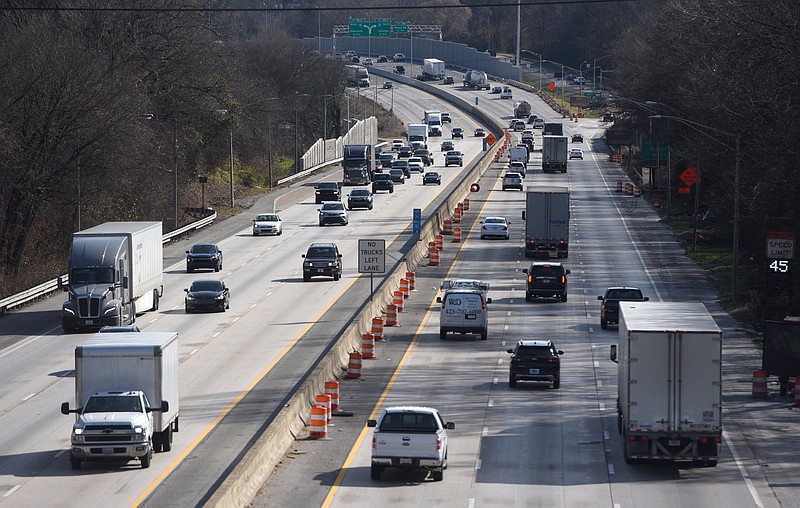
Jonathan Phares, an assistant professor of supply chain management at Iowa State University, said carriers generally pass diesel cost increases onto shippers through fuel surcharges and rate adjustments.
At the same time, the available supply of trucks for shipments has declined, which has contributed to rate increases, Phares said.
“It’s just not been a great situation for shippers who are paying for their freight to be moved,” Phares said by phone.
As carriers see a decrease in the amount of goods in need of shipment, Phares said, they reduce the number of people they hire and may start laying off drivers. Recent policies that require drivers to demonstrate English proficiency and enhanced scrutiny on drivers who aren’t U.S. citizens have also had an effect on the number of people who can enter the labor pool, Phares said.
Many carriers have a fuel surcharge program that adds an additional cost per mile if diesel prices increase, Phares said.
Fundamentally, carriers generally pass on the cost of escalating diesel prices to shippers, who in turn pass on costs to consumers. Consumers have less money to spend, and they buy fewer things. That can reduce the amount of goods being shipped, Phares said, causing carriers to further tighten capacity and raise prices.
“It kind of creates that cycle,” Phares said.
A spokesperson for Covenant Logistics, Angie Shook, did not immediately respond to a voicemail or email Friday inquiring about the effects of diesel prices. The Chattanooga Times Free Press will update this story online with the company’s comments if it hears back.
In a press release issued alongside the company’s earnings report, Covenant Logistics CEO David Parker said the company’s results fell short of expectations for the first quarter of 2026. That was largely because of severe weather shutdowns and fuel cost headwinds in January and February.
“However, freight volumes and rates improved in March, and we were encouraged by our positive operating performance and the momentum we carried into the second quarter,” a statement attributed to Parker said. “This momentum includes an expanding pipeline of new customers seeking committed capacity, rate increases with select existing customers and the traditional seasonal improvement in freight volumes.”
Contact business reporter David Floyd at dfloyd@timesfreepress.com or 423-757-6249.

David Floyd is a business reporter for the Chattanooga Times Free Press. He graduated from East Tennessee State University in 2017 and previously worked for the Johnson City Press. He is the second youngest of six siblings. Contact him at 423-757-6249 or dfloyd@timesfreepress.com.
Comments are closed.