

Cuba Opens First Fast and Ultra-Fast Solar Charging Station for Electric Vehicles on the National Highway
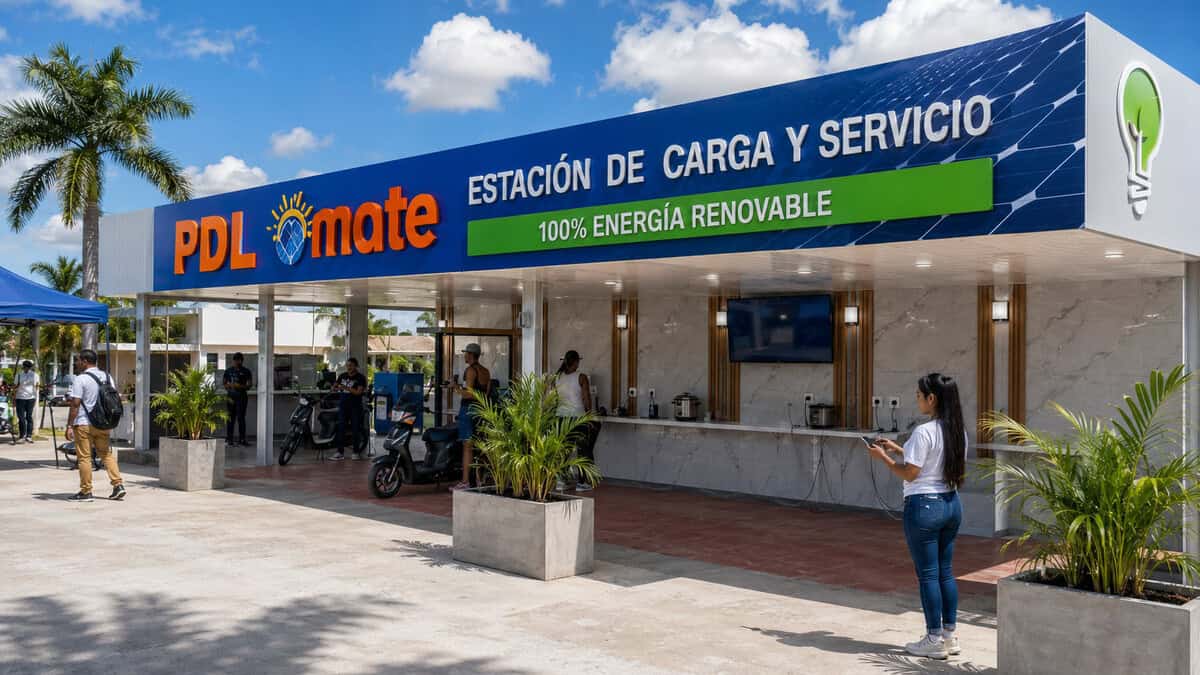
Cuba inaugurated its first solar-powered fast and ultra-fast charging station for electric vehicles on the National Highway, as part of its strategy to boost renewable energy amid a deep energy crisis.
Solguara’s fast and ultra-fast charging station is located next to the National Highway. @acn
August 12, 2026 Hour: 10:51 am
-
-
-
-
-
-
PDF
🔗 Comparte este artículo
Cuba inaugurated its first fast and ultra-fast solar charging station for electric vehicles on Tuesday, located about five kilometers from the city of Santa Clara, on the National Highway in the center of the island, state media reported.
RELATED:
Cuba Approves New Regulations for Renewable Energy
The facility was built and is operated by the private micro, small, and medium-sized enterprise (MSME) Solguara, and functions completely independently of the National Electric System (SEN) using solar panels, according to a report in the Granma newspaper.
The installation operates independently of the National Electric System and is powered exclusively by solar panels.
It offers two levels of service—fast charging and ultra-fast charging—and has connectors compatible with various international standards. In addition to charging electric cars, the solar station will provide free charging for cell phones, fans, and rechargeable lamps, according to the source.
In Santa Clara, other solar charging stations were already operating, including one in the Virginia community equipped with 56 solar panels, 30 kilowatts of power, and 60 kilowatt-hours of storage, as well as charging points in 12-story buildings and two neighborhoods of the city.
The new station is part of the Cuban authorities’ push to generate energy from renewable sources and to promote electric transportation, in a context where the country is experiencing one of the deepest electricity crises in recent decades.
The text reads, “The blackout isn’t just megawatts: it’s a human and national problem. Cuba is accelerating the transition toward solar energy and sustainable solutions.”
On August 11, new regulations approved by the Government came into effect, allowing the direct importation by individuals, for non-commercial purposes, of combustion tricycles up to 250 cubic centimeters and electric vehicles accompanied by charging systems powered by renewable energy sources.
Likewise, recent resolutions exempt the importation of photovoltaic solar systems, their parts and essential components, from customs duties, and benefit those who import chargers for electric vehicles powered by clean energy. Cuba has faced a severe energy crisis since mid-2024, exacerbated in January by the US oil embargo, a measure the United Nations has deemed contrary to international law.
This is compounded by the deterioration of aging thermoelectric power plants, which have been in operation for decades and lack investment in maintenance, resulting in frequent outages and blackouts lasting 20 hours or more.
According to data from the Ministry of Energy and Mines, 95% of the national energy matrix still relies on fossil fuels, although official forecasts indicate that renewable generation will reach 6.3% of the total this year. Cuba’s goal for 2030 is to achieve 24% renewable energy generation through hydroelectric, wind, and solar photovoltaic systems.
Author: HGV/JF
Source: Unión Eléctrica de Cuba