

Congo’s Ebola outbreak zone sees aid surge as WHO boss visits capital
Medical teams and aid agencies are scrambling to contain a fast-growing Ebola outbreak in eastern Congo as shortages of protective gear, insecurity and community resistance continue to undermine response efforts in the region.
On Thursday, a white cargo aircraft carrying European Union humanitarian support landed in the northeastern town of Bunia, the epicenter of the outbreak in Ituri province, the AP reported. The shipment included gloves, masks, boots and medicines desperately needed by overstretched health workers. U.N.-marked forklifts were seen unloading boxes into waiting trucks.
The outbreak involves the Bundibugyo strain of Ebola, a rare form of the virus for which there is currently no approved vaccine or treatment. Medical staff in some affected areas have reportedly been forced to use expired face masks while caring for suspected cases due to dwindling supplies.
READ ALSO: Congo declares tough restrictions as Ebola deaths mount
Apart from the health emergency itself, aid workers are facing growing hostility from some local communities. Strict protocols surrounding the handling and burial of Ebola victims have sparked anger because they conflict with traditional funeral practices. Authorities say at least three attacks have already been carried out against health facilities in Ituri province.
Congolese Health Minister Samuel Roger Kamba acknowledged that fear and confusion often fuel mistrust during epidemics, particularly in isolated communities suddenly flooded with health officials and public messaging.
“We’ve seen in every epidemic that there’s always resistance,” Kamba said. “Communities always ask themselves, ‘What’s going on?’ And in epidemics like this one, it is really risk communication and community engagement that ultimately change perceptions.”
According to Jérôme Kouachi, UNICEF’s head of emergency operations in Congo, additional EU-funded aid shipments are expected to arrive over the next eight days.
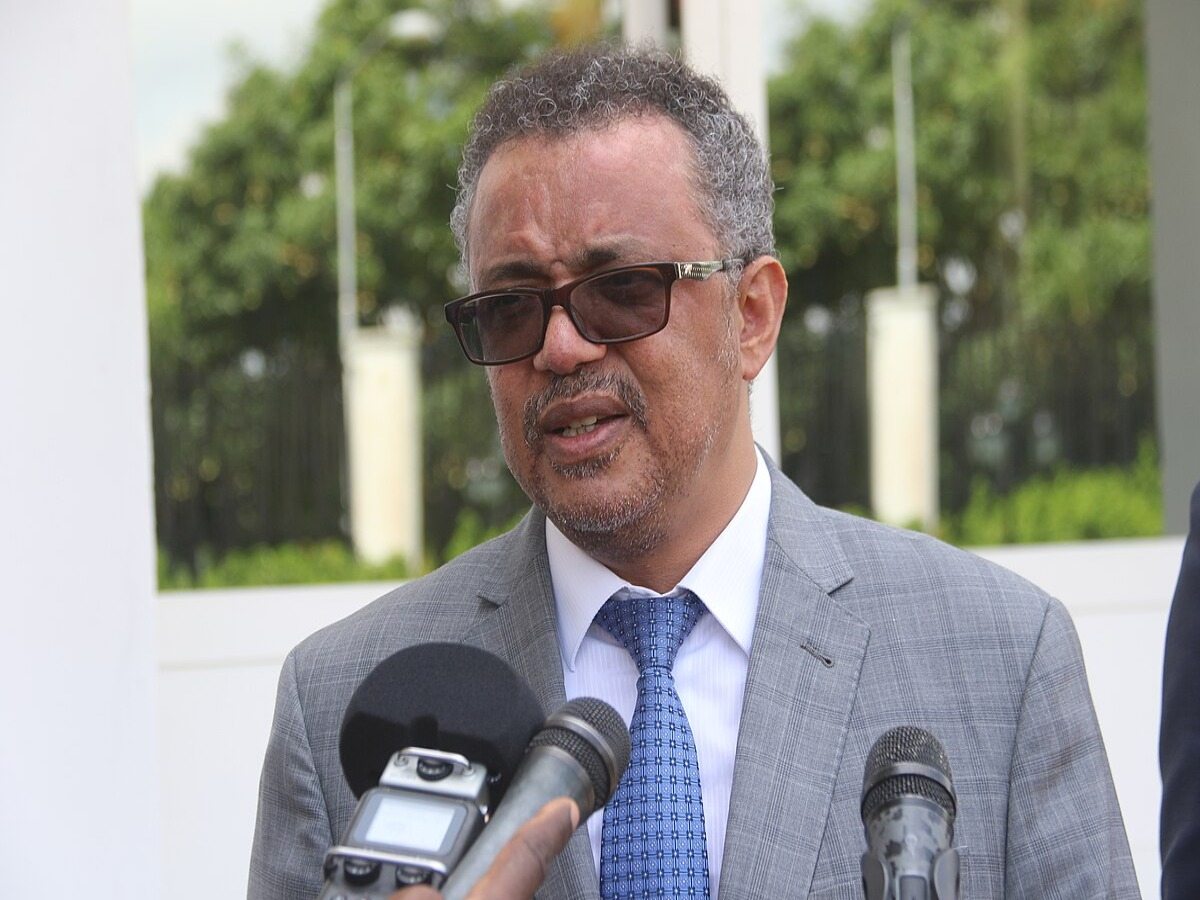
World Health Organization Director-General Tedros Adhanom Ghebreyesus is traveling to Congo to assess the response firsthand. The WHO has already classified the outbreak as a public health emergency of international concern in an effort to mobilize more international assistance.
The United States also announced Thursday that it would increase support for Congo and neighboring Uganda by an additional $80 million. That raises Washington’s total commitment since the outbreak began to more than $112 million.
READ ALSO: Uganda confirms new Ebola cases as virus spreads beyond Congo border
The U.S. State Department said the funds will support the purchase of protective equipment for medical personnel, Ebola testing kits, airport health screening operations and contact tracing activities.
Dr. Jean Kaseya, director-general of the Africa Centres for Disease Control and Prevention, revealed that expected emergency funding had significantly dropped within days. While the organization believed earlier this week that nearly $500 million had been pledged toward Africa’s Ebola response, he said the figure had fallen to about $290 million after several partners reduced or withdrew their commitments.
Kaseya also disclosed that the Africa CDC hopes to secure both treatments and a vaccine for the Bundibugyo strain before the end of the year, adding that some vaccine candidates are already under development.
Congo has so far recorded more than 1,000 suspected infections and at least 220 deaths since officially declaring the outbreak on May 15. Health officials believe the real scale of infections may be far higher because the virus circulated unnoticed for several weeks before detection.
Uganda has also reported cases linked to the outbreak, confirming seven infections and one death so far.
In a rare moment of hope, Congolese authorities announced Wednesday that the first survivor of the virus had been discharged from a treatment center.
“We are trying to catch up,” Congo Foreign Minister Thérèse Kayikwamba Wagner said earlier this week. “It is a race against the clock.”
Humanitarian organizations say the response continues to be slowed by customs delays, poor road networks, inadequate storage infrastructure and weak telecommunications systems.
The worsening security situation has added another layer of difficulty. On Wednesday, Tedros appealed for a ceasefire in the conflict-ridden eastern region, warning that violence was making disease control nearly impossible.
“We cannot build community trust or isolate the sick while bombs are falling,” he said.
Ituri province, near the Ugandan border, has long suffered attacks by the Allied Democratic Force, an armed group linked to the Islamic State organization, as well as ethnic militias operating in the area. Earlier this month, the ADF reportedly killed at least 40 people and burned homes across parts of Ituri.
Cases have also been detected in North Kivu and South Kivu provinces, where the Rwanda-backed M23 rebel movement controls major urban centers including Goma and Bukavu. Rebel authorities have confirmed two infections in those territories.
The closure of Goma’s main airport since January 2025, following the M23 takeover of the city, has further complicated humanitarian operations in eastern Congo.
READ ALSO: Ebola outbreak turns violent as mob burns treatment center in Eastern Congo
Years of fighting in the region have already created one of the world’s largest displacement crises, with an estimated 7 million people forced from their homes across eastern Congo.
Credit: Source link