

Communities in Cameroon take an active role in preventing cholera
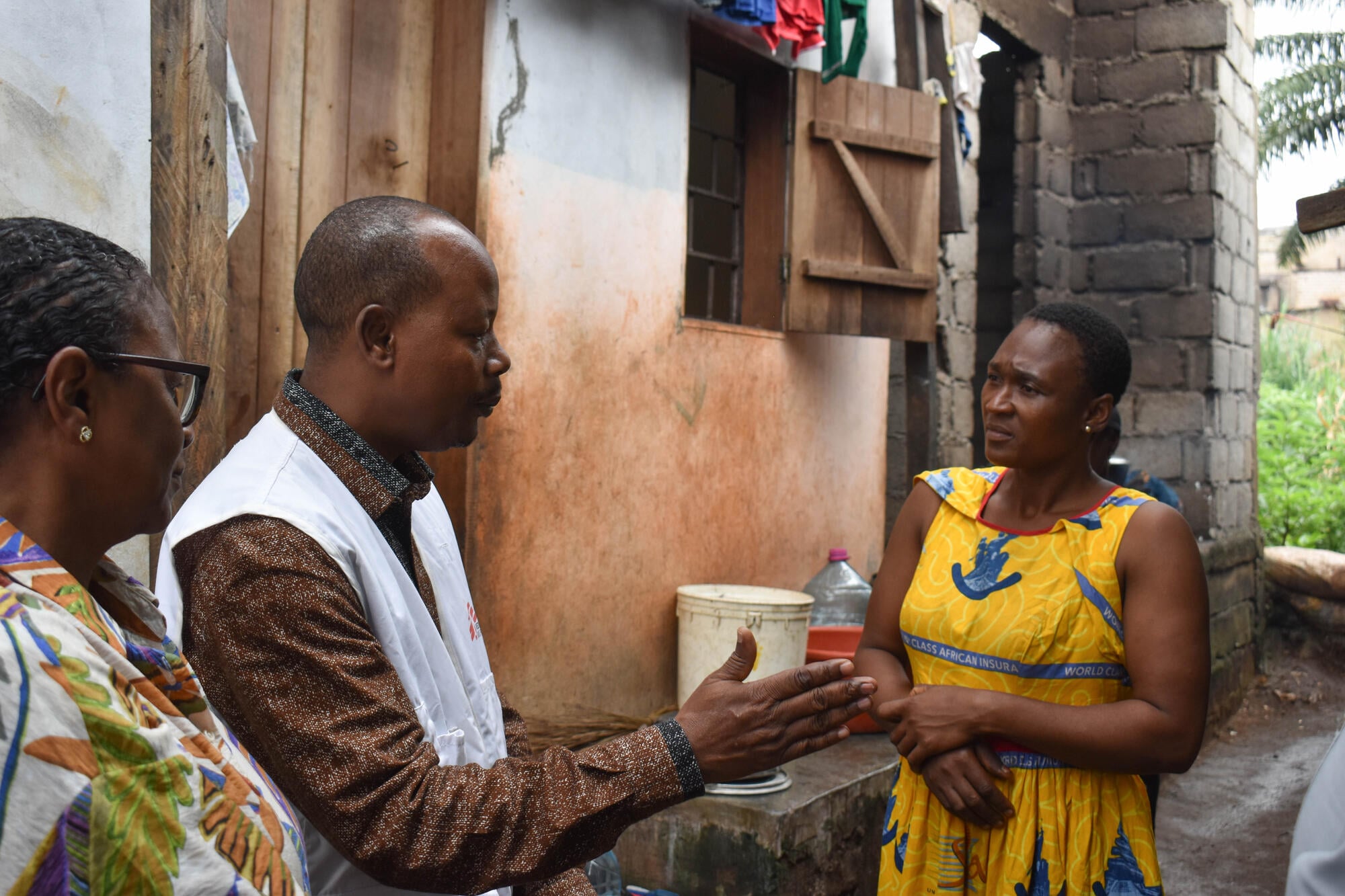
Continuously strengthening community capacities
More than 1.2 million people have been reached through awareness-raising activities since 2025. Approximately 5,000 households are targeted each month in the Djoungolo health district.
Community engagement is a key component of the project. Participation goes beyond awareness-raising. At some sites, communities also help secure worksites and equipment during the rehabilitation of water points. This involvement strengthens local ownership of the infrastructure and aims to create the conditions necessary for its continued use and sustainability.
The project also supports health facilities and communities through a chlorine production unit intended to supply health facilities and households for water treatment. MSF remains ready to support the response to future cholera outbreaks, including through free patient care, strengthening the capacities of healthcare workers, supporting peripheral health facilities when needed, and contributing to preventive or reactive vaccination campaigns.
The objective is therefore to create a continuum between prevention, preparedness and response: strengthening community involvement and health facilities, while maintaining the capacity to respond rapidly as soon as a cholera case is confirmed.
Collective responsibility for sustainable prevention
In a context where humanitarian needs are increasing while available funding is declining, cholera prevention cannot rely on a single organisation. The experience in Djoungolo shows that communities never start from scratch. They already have knowledge, initiatives, and solidarity mechanisms that can contribute to preventing the disease. The role of health organisations is therefore not only to provide expertise, but also to identify, strengthen, and support solutions that already exist locally.
In Djoungolo, preventing cholera is not simply about providing safe water, chlorine, or awareness messages. It is about enabling people to understand the risks, participate in decision-making, and have the means to take action. Prevention becomes more sustainable when communities are not simply recipients of a response, but full partners in shaping it.
Credit: Source link