

Cameroon restarts birth registration drive, using schools as gateway to legal identity
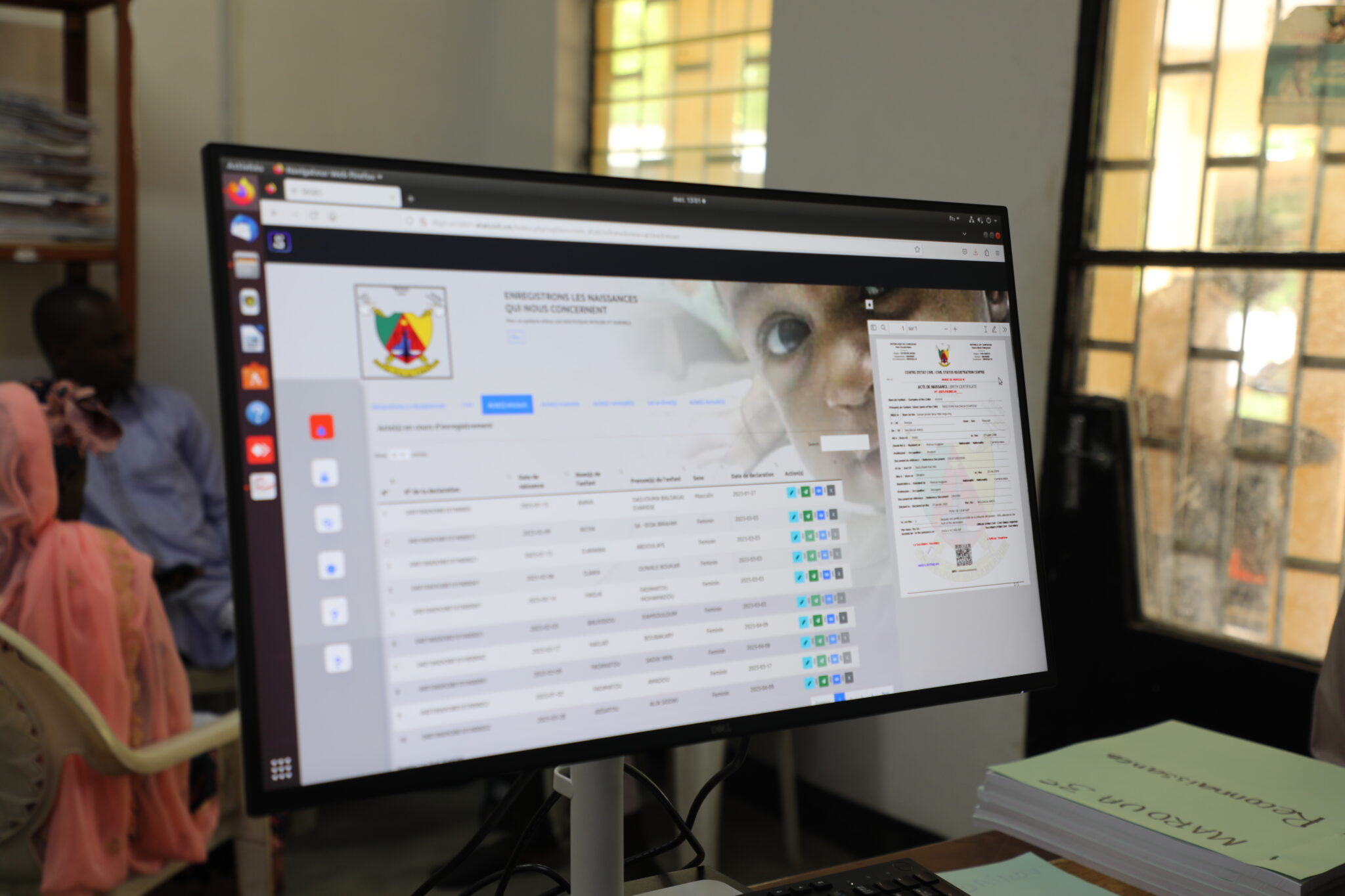
The government of Cameroon will restart a campaign in September to issue birth certificates to one million school children who do not have one, using schools as a strategic entry point to reach children who missed birth registration at birth. This comes after an assessment this month noted that the target set for the drive was far from being met.
The initiative, launched in 2024, which is unfolding under the Cameroon Education Reform Support Programme (PAREC) supported by World Bank funding, had identified and listed one million children who were coming to the end of their primary education cycle, but who had no birth certificates.
The reason was the lack of declaratory court judgments which are required when parents seek late birth registration for their children. Per Cameroon’s civil registration legislation, a declaratory court judgment is required for a birth certificate to be issued where the statutory registration deadline of 90 days for doing so after birth is not met.
In a recent statement issued by the Minister of Basic Education, Laurent Serge Etoundi Ngoa, mobile teams including officials from the Ministry of Justice, will be on the field in the coming weeks to deliver declaratory judgments to allow for the issuance of the foundational identity document by the National Civil Status Registration Office (BUNEC).
“The 1,000,000 pupils identified in schools for the purpose of registering [their] births through declaratory judgments and establishing birth certificates had not all been re-enrolled for this purpose. In view of these realities, the Ministry of Justice has taken the initiative to resume the special mobile court hearings from September 2026,” Ngoa said in an August 26 letter addressed to regional officials of his ministry.
“I therefore have the honour of requesting you to urgently have the files of children attending public primary schools without birth certificates compiled by the IAEBs and submitted to the territorially competent courts for declaratory birth judgments before September 15,” he added. It is hoped that with the restart of the process, hundreds of thousands more declaratory judgments will be delivered to the identified children.
This latest initiative by the Cameroon government adds to broader efforts by the government, in collaboration with some of its partners such as the United Nations Children’s Fund (UNICEF), to drive birth registration in the country. This as BUNEC has continued with its efforts to modernize the country’s civil status registration system, with a growing number of councils in the country switching to digital birth registration systems.
Schools as a gateway to legal identity
Cameroon’s drive fits into a broader policy idea of using the school milieu as an entry point to catch up on birth registration for children who missed it immediately they were born.
UNICEF, last month, published an operational guide supporting this approach to birth registration, stating that more than 55 percent of children under the age of one in Sub-Saharan Africa have not had their birth registered.
According to the guide, schools, which are often the first and most consistent point of contact between the state and a child, are an underused platform for closing this birth registration gap. It suggests how “education systems can work alongside civil registration authorities not only to clear existing backlogs of unregistered children, but also to strengthen enrolment, retention, and learning outcomes along the way.”
Uganda is among the countries using schools to expand legal identity coverage, with the national ID authority previously organizing school-based enrollment campaigns for students.
This also comes at a time when birth registration is increasingly becoming an important foundational layer in building digital public infrastructure (DPI) and enabling access to a wide range of public and private sector services.
Article Topics
Africa | birth registration | Cameroon | legal identity | National Civil Status Registration Office (BUNEC) | UNICEF | World Bank
Credit: Source link